Why Weld Quality Matters in Chainmail Boleros
When you think of chainmail, what comes to mind? Perhaps you picture a knight in shining armor, or maybe a collector carefully handling a beautifully crafted historical piece. For many of us, chainmail has a certain mystique and historical charm. But for buyers, collectors, and professionals alike, choosing the right chainmail isn’t as simple as picking out something that looks coolit’s about ensuring quality, safety, and durability.
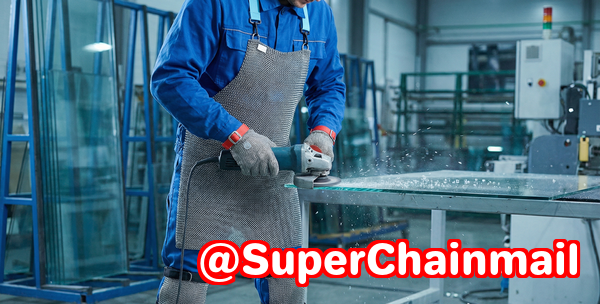
Whether you’re selecting chainmail for protection in the workplace, historical reenactments, or cosplay, understanding the nuances of what makes quality chainmail can be the difference between a reliable purchase and an expensive mistake. Let’s dive into why weld quality, in particular, plays a crucial role in making sure you get the most out of your chainmail investment.
Understanding Chainmail: The Importance of Weld Quality
When I first started looking into chainmail for professional use, I was struck by the variety of products available. From industrial-grade cut-resistant gear to decorative pieces for cosplay, the choices seemed endless. But what many buyers overlook is the difference in quality that the welds in the rings can make. Not all chainmail is created equalsome are meant for decoration, while others are built to withstand extreme conditions.
Welded Rings vs. Open Rings: Why It Matters
One of the most crucial factors to look for when inspecting chainmail is whether the rings are welded or open. You may have noticed that some chainmail products claim to be high-quality but still feel flimsy or fragile. This is often because the rings are not welded. Instead, they are “open,” which means they are simply looped and not permanently fused together.
Welded rings, on the other hand, are far superior in terms of durability and strength. The welding process ensures that the rings stay securely in place, providing a stronger, more resilient weave. This is especially important for industrial applications, where the chainmail needs to withstand physical strain, impact, and even cutting forces. A well-welded ring adds a layer of reliability and ensures that your chainmail will serve you for years to come.
The Right Stainless Steel Grade: 304 vs 316
When it comes to material quality, not all stainless steel is the same. Most chainmail today is made from two common grades of stainless steel: 304 and 316. While both are resistant to rust and corrosion, the difference between them can make a world of difference depending on the environment in which you plan to use your chainmail.
-
304 Stainless Steel: This is the more common, cost-effective option. It provides good resistance to corrosion and is perfect for everyday use in moderate environments. It’s great for cosplay or general protective applications.
-
316 Stainless Steel: If you’re looking for industrial-grade chainmail or need protection in highly corrosive environments (such as food processing), 316 stainless steel is the way to go. It contains molybdenum, which significantly increases its resistance to saltwater, acidic substances, and other corrosive materials. This makes it an excellent choice for professionals who require a higher level of durability.
Choosing the right stainless steel grade is essential to ensuring the longevity of your chainmail, especially when it’s being used in environments prone to wear and tear.
Wire Thickness and Inner Diameter: Key Indicators of Strength
Another important factor to look for is the wire thickness and the inner diameter of the rings. These two elements contribute directly to the strength and weight of the chainmail.
-
Wire Thickness: Thicker wires provide stronger protection, especially in industrial applications. Thin wires, on the other hand, are often used in decorative pieces but don’t offer much resistance to cutting or tearing. For real protection, like in food processing or industrial work, you’ll want to look for chainmail made from thicker wire.
-
Inner Diameter of the Rings: This is the size of the hole in each individual ring. A smaller inner diameter makes for a denser, stronger weave, which is essential for high-performance chainmail. If the rings are too large, the weave may be loose and ineffective.
It’s worth inspecting these features to make sure the chainmail will perform well for your intended use.
The Importance of Weave Patterns: European 4-in-1
When inspecting chainmail, it’s also important to evaluate the weave pattern. The weave pattern is what holds the rings together and determines the overall strength of the piece.
One of the most well-known and widely used patterns in chainmail is the European 4-in-1 weave. This pattern provides a dense, interlocking structure that offers maximum strength. Each ring is linked to four others, creating a robust and flexible material.
For protective applications, this is one of the strongest and most reliable weaves. However, not all chainmail uses this patternsome decorative pieces or lighter-duty chainmail might feature a looser weave, which is more for visual appeal than functionality.
If you’re looking for chainmail that can withstand serious use, whether for industrial, cosplay, or reenactment purposes, the European 4-in-1 pattern should be your go-to.
Practical Tips for Inspecting Chainmail Quality
Now that we’ve covered some of the critical features to look for, let’s talk about how you can practically inspect chainmail to ensure you’re getting high-quality gear.
-
The Pull Test: A quick way to check the integrity of chainmail is to gently pull on the rings to see if they move or loosen. If the rings shift or fall apart, the quality of the weld or weave is poor.
-
Check for Corrosion: Inspect the chainmail closely for any signs of rust, corrosion, or discoloration. If you’re purchasing stainless steel chainmail, any signs of rust are a clear indication that the material isn’t up to standard.
-
Look for Craftsmanship: Poor craftsmanship is often evident in sloppy welds or uneven ring sizes. If the welds look inconsistent or the rings don’t align properly, it’s a sign of poor-quality chainmail.
-
Determine the Right Type: Understand the specific requirements of your intended use. For instance, industrial users will need thick, welded rings with a tight weave pattern, while cosplay enthusiasts might prioritize aesthetics over durability.
Why You Should Care About Weld Quality
Weld quality is more than just an aesthetic considerationit directly impacts the performance, safety, and longevity of your chainmail. Whether you’re buying chainmail for industrial protection, food handling, or historical reenactments, poor welds can lead to broken rings, ineffective protection, and a product that doesn’t stand up to use.
By following these simple inspection methods and understanding what to look for, you can make sure your chainmail purchase is safe, durable, and well-suited to your needs.
Conclusion: Making Informed Chainmail Purchases
When I started looking for high-quality chainmail, I made a few mistakes. I overlooked the importance of welded rings, didn’t pay enough attention to the material grade, and didn’t inspect the weave pattern closely enough. Now, I highly recommend following the inspection steps outlined above to ensure any chainmail purchase meets safety and durability standards.
Want to learn more about how to identify high-quality chainmail? Check out our detailed chainmail inspection guide today.
Frequently Asked Questions
-
How can I tell if a chainmail ring is welded or open?
-
Check for signs of welding around the ring. Welded rings will have a visible seam where the two ends are fused together, whereas open rings will have a gap.
-
-
Which stainless steel grade is best for long-lasting chainmail?
-
For most applications, 304 stainless steel works well. However, for environments with high corrosion risk (such as food processing), 316 stainless steel is a better choice.
-
-
How do I inspect the weave pattern for strength?
-
Look for dense, interlocking weaves like the European 4-in-1. A loose or inconsistent weave pattern indicates weaker chainmail.
-
-
What are the signs of low-quality or unsafe chainmail?
-
Signs include loose rings, inconsistent welding, corrosion, and poorly aligned rings. If the chainmail feels flimsy or light, it’s a red flag.
-
-
Can decorative chainmail be used for protective purposes?
-
Decorative chainmail is often too weak for protection. It’s designed for aesthetics rather than durability. For protection, ensure the rings are welded and the weave is strong.
-
-
How do I choose the right chainmail for industrial vs. cosplay use?
-
For industrial applications, look for thicker wire, welded rings, and tight weaves. For cosplay, aesthetics are more important, so focus on appearance and comfort rather than extreme durability.
-
Keywords
-
Chainmail quality, welded rings, stainless steel chainmail, cut-resistant chainmail, chainmail inspection, European 4-in-1 weave, chainmail durability