Why Stainless Steel Chainmail Is the Gold Standard in Cut Protection
Imagine standing in a bustling kitchen, slicing vegetables for hours, or facing sharp tools in an industrial workshop. You reach for your protective gloves, trusting that your chainmail will keep your hands safe. But what if the rings aren’t fully welded, or the weave is loose? Suddenly, that safety you counted on could fail. This is a scenario I encounter often: buyers, collectors, and professionals unsure how to judge the quality of chainmail. How can you tell if your protective gearor even a collectible pieceis truly cut-resistant and durable?
Understanding the subtleties of chainmail quality is essential, whether you’re equipping a kitchen staff, outfitting a cosplay ensemble, or investing in historical replicas. In this post, I’ll walk you through real-world tips to evaluate stainless steel chainmail, spot weak links, and ensure your purchase is genuinely safe and long-lasting.
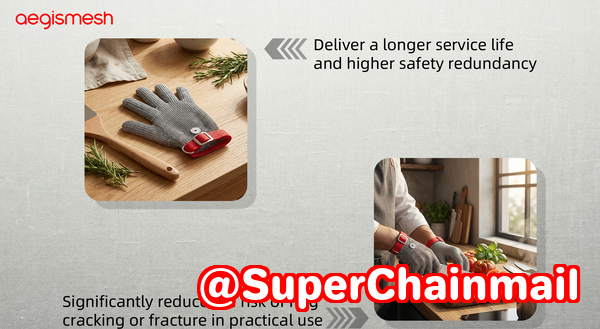
Common Pitfalls in Chainmail Evaluation
Buying chainmail can feel daunting. Even experienced buyers often run into the same problems:
1. Difficulty Distinguishing Welded Rings from Open Rings
A welded ring is fully closed and offers full cut protection, while open rings are prone to separation under stress. Many low-cost chainmail items use open or poorly welded rings, which can compromise safety dramatically. I’ve seen gloves where a single pull easily popped several rings apartdefinitely not something you want in an industrial setting.
2. Uncertainty About Stainless Steel Grades
Not all stainless steel is created equal. Chainmail is commonly made from 304 or 316 stainless steel. The difference? 316 contains molybdenum, offering superior corrosion resistancevital for food handling or marine environments. Using the wrong grade can lead to rust, discoloration, and weakening over time, even if the weave looks tight.
3. Weak or Inconsistent Weaves
The weave pattern determines structural integrity. The European 4-in-1 pattern is industry standard because each ring supports four others, distributing stress evenly. Poor craftsmanshiprings misaligned, inconsistent spacing, or sloppy connectionsreduces durability and can make chainmail unsafe for protection.
How to Evaluate Chainmail: Step-by-Step
This is where Aegimesh Chainmail comes in as a valuable reference. Their guide simplifies inspection and helps buyers make informed decisions. Here’s how I approach chainmail evaluation in real life:
Step 1: Verify Material Type
-
Check the stainless steel grade. 304 works for general use, but 316 is preferred for food processing, industrial applications, or humid environments.
-
Ask for certification or specifications. Many reputable suppliers provide this.
Step 2: Inspect Ring Welding
-
Look closely at each ring seam. A fully welded ring has no visible gaps.
-
Perform a light pull test. Grip one ring and gently pull its neighbors. If any separate, the weld is weak.
-
Avoid decorative-only chainmail. Some rings appear closed but aren’t structurally sound.
Step 3: Measure Wire Thickness and Inner Diameter
-
Thicker wire usually means stronger chainmail. For gloves or protective clothing, I recommend at least 1.21.6 mm wire thickness.
-
Inner diameter affects flexibility and strength. European 4-in-1 patterns perform best with 810 mm inner diameter for gloves; larger items may vary.
Step 4: Evaluate Weave Pattern
-
European 4-in-1 is the gold standard for strength and cut protection.
-
Check for consistency: rings should interlock evenly without gaps or misalignment.
-
Twisted or irregular weaves may look appealing but compromise safety.
Step 5: Inspect for Corrosion or Craftsmanship Issues
-
Look for discoloration, rough edges, or uneven rings.
-
Rust spots or weak welds are red flags. Even a few faulty rings can compromise the entire piece.
Real-Life Applications of Proper Chainmail
Understanding chainmail quality isn’t just theoreticalit has real consequences.
-
Industrial Use: In food processing or metalwork, poorly welded rings can fail during a critical moment, leading to injury. I’ve seen cases where a chainmail glove cracked under a simple knife cut, something that could have been avoided with proper inspection.
-
Cosplay and Historical Replicas: While these pieces may be decorative, using authentic European 4-in-1 chainmail ensures durability for long photo shoots, reenactments, or events. I’ve personally invested in high-quality chainmail for cosplay, and the difference in flexibility and comfort is noticeable.
-
Collectors: Even if not worn, high-quality stainless steel chainmail retains value. Poor craftsmanship diminishes both aesthetic and resale worth.
Practical Tips for Buyers
Here are some hands-on ways to evaluate chainmail before committing:
-
Perform a Pull Test: Gently tug a few rings to see if they remain secure.
-
Check Seams: Use a magnifying glass to inspect welding. Any visible gap or rough seam is unsafe.
-
Feel the Weight: Authentic chainmail has a satisfying heft; lightweight, flimsy pieces often indicate thin wire or open rings.
-
Ask Questions: Don’t hesitate to inquire about steel grade, weave type, and ring specifications. Reliable suppliers like Aegimesh provide this information upfront.
-
Consider Purpose: Industrial cut-resistant chainmail differs from cosplay or decorative pieces in thickness, weave, and material. Match your purchase to your intended use.
Why Stainless Steel Is the Gold Standard
Stainless steel chainmail consistently outperforms alternatives because it offers:
-
Superior Corrosion Resistance: Especially 316 stainless steel, which resists rust in wet or food-handling environments.
-
Durability Under Stress: Welded rings maintain integrity even under repeated cuts or pulls.
-
Low Maintenance: Unlike carbon steel, stainless steel doesn’t require constant oiling to prevent rust.
-
Aesthetic Longevity: Polished, high-quality chainmail stays visually appealing for years.
By focusing on welded rings, verified steel grades, proper wire thickness, and consistent weave patterns, buyers can confidently identify chainmail that provides both safety and durability.
Conclusion
Evaluating chainmail doesn’t have to be overwhelming. By checking the stainless steel grade, inspecting ring welds, measuring wire thickness and diameter, and confirming a proper European 4-in-1 weave, you can ensure your purchase is safe, durable, and well-crafted.
I highly recommend following these steps to ensure any chainmail purchase meets safety and durability standards. Whether you’re protecting hands in a kitchen, outfitting a workshop, or collecting historical replicas, proper inspection makes all the difference.
Learn more about identifying high-quality chainmail products: https://www.aegimesh.com/
Check out our detailed chainmail inspection guide today.
Frequently Asked Questions
Q: How can I tell if a chainmail ring is welded or open?
A: Examine the seam closely. Welded rings have no visible gaps and should pass a gentle pull test.
Q: Which stainless steel grade is best for long-lasting chainmail?
A: 316 stainless steel is ideal for high-corrosion environments; 304 is suitable for general use.
Q: How do I inspect the weave pattern for strength?
A: Ensure a consistent European 4-in-1 weave, with each ring supporting four others evenly. Avoid misaligned or irregular rings.
Q: What are the signs of low-quality or unsafe chainmail?
A: Visible gaps in welds, thin wire, inconsistent weave, rough edges, and signs of corrosion.
Q: Can decorative chainmail be used for protective purposes?
A: Usually not. Decorative chainmail may lack welded rings or proper wire thickness needed for safety.
Q: How do I choose the right chainmail for industrial vs cosplay use?
A: For industrial purposes, prioritize welded rings, 316 stainless steel, and European 4-in-1 weaves. For cosplay, aesthetics and flexibility matter more, but safety is still a consideration for gloves or wearable armor.
Q: What maintenance does stainless steel chainmail require?
A: Minimal. Regular rinsing and drying prevent minor surface rust, though 316 stainless steel is highly corrosion-resistant.
Keywords/Tags: chainmail quality, welded rings, stainless steel chainmail, cut-resistant chainmail, chainmail inspection, European 4-in-1 weave, steel metal chainmail durability, protective gloves, chainmail for cosplay, industrial cut protection