Why Ring Mesh is Revolutionizing the Mesh Boning Apron Industry
When it comes to choosing a mesh boning apron for safety, durability, or even cosplay, the variety of products available can be overwhelming. But how can you be sure that what you’re buying is truly high-quality? Whether you’re working in a food processing facility, participating in a reenactment, or just looking for an effective protective garment, distinguishing between durable, cut-resistant chainmail and weak, low-quality products is crucial. In fact, poor-quality chainmail can pose real safety risks, especially in environments where sharp objects are involved.
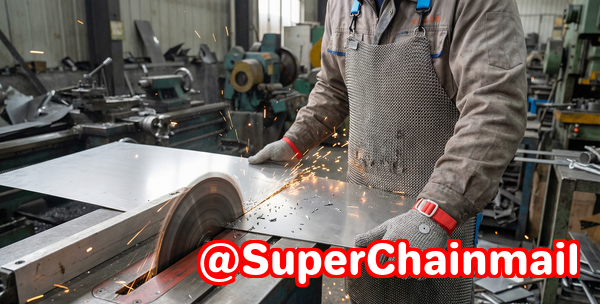
That’s why it’s so important to understand how to properly evaluate chainmail products. If you’re investing in a mesh boning apron, it’s essential to know how to identify high-quality chainmail, the type that’s built to last and provide real protection. Luckily, I’ve got you covered. In this article, I’ll walk you through the steps to inspect and evaluate chainmail, helping you make informed decisions and avoid costly mistakes.
Common Problems in Evaluating Chainmail
When you start your search for the right mesh boning apron or chainmail for other uses, you may run into a few challenges. Here are some common pain points I’ve heard from buyers, collectors, and professionals:
-
Welded vs. Open Rings: It’s tough to tell whether the chainmail you’re looking at uses welded or open rings, and this distinction can make all the difference in durability and safety.
-
Unclear Material Quality: Not all stainless steel is the same. The grade of steel used in the rings directly affects the product’s strength and resistance to corrosion. Choosing the right grade (304 vs. 316) is key for longevity.
-
Weak Weaves: Sometimes, manufacturers cut corners with the weave patterns. A weak or inconsistent weave compromises the strength of the chainmail, which is especially important in protective applications.
But don’t worry. There’s a simple solution. By following a few inspection steps, you can ensure that the chainmail you purchase is up to the jobwhether it’s for industrial use, food handling, or even cosplay. Let’s break down how you can assess chainmail quality in a way that’s easy to understand.
How to Inspect Chainmail for Quality
I know it can feel overwhelming at first, but once you know what to look for, inspecting chainmail becomes second nature. Here’s what I recommend doing:
1. Check the Material: Is It Stainless Steel?
The first step is to determine what material the chainmail is made from. Chainmail can be constructed from various metals, but stainless steel is the most common choice for industrial, cosplay, and protective chainmail.
-
304 vs. 316 Stainless Steel: Both 304 and 316 are excellent choices, but they’re slightly different. 304 stainless steel is durable and resistant to rust, but 316 has an added layer of protection against corrosion, making it ideal for food-processing environments or areas exposed to saltwater.
-
How to Check: It can be difficult to tell the difference just by looking at the product, but you can ask the seller about the steel grade used. If you’re uncertain, you can perform a simple test with a magnet. While not definitive, 304 steel is often more magnetic than 316.
2. Inspect the Ring Quality: Welded vs. Open
One of the most significant differences in chainmail quality is whether the rings are welded or simply looped and closed. Welded rings are far more durable, especially for industrial applications.
-
Welded Rings: These are stronger and safer. The weld ensures that the ring is permanently closed, making the chainmail less likely to fall apart under stress.
-
Open Rings: These rings can be weaker, as they are often held together by the tension of the weave, which might fail over time, especially in high-stress situations.
-
How to Inspect: Gently tug on a few rings. If they’re welded, you won’t be able to open them. If they’re open, you’ll notice that they can be pulled apart. Additionally, a visual inspection for any gaps can help identify poor-quality construction.
3. Evaluate the Wire Thickness and Ring Diameter
The thickness of the wire and the diameter of the rings play a significant role in the chainmail’s strength. A thicker wire and smaller ring diameter generally mean better protection, but the ideal balance depends on your intended use.
-
Wire Thickness: Thicker wires provide more protection against cuts, but they can also make the chainmail heavier and less flexible.
-
Ring Diameter: Smaller rings generally offer better protection, but again, they can be less flexible. You need to find a balance depending on whether you want flexibility for cosplay or maximum protection for industrial use.
-
How to Check: Compare the chainmail to a known high-quality product to get a sense of the ideal thickness and diameter. If the rings are noticeably thin or large, the product may not be up to par.
4. Inspect the Weave Pattern
The weave pattern, such as the European 4-in-1 pattern, is one of the most crucial elements in determining the strength of the chainmail. A proper, tight weave ensures that the rings interlock in a way that maximizes strength and durability.
-
European 4-in-1 Weave: This pattern is known for its strength and stability. It involves each ring passing through four other rings in a specific pattern, creating a solid, interwoven structure.
-
How to Check: Inspect the rings to ensure that they are tightly woven. The weave should not have any gaps or loose rings. If you notice unevenness, it may indicate poor craftsmanship.
5. Perform a Pull Test
A simple but effective way to check for durability is the pull test. Grab a few rings and give them a gentle but firm pull. The chainmail should be strong enough to resist being pulled apart, but it shouldn’t feel stiff or fragile.
-
How to Do It: Use a glove for added grip, and gently pull the chainmail apart. If the rings shift or come loose, it’s a sign of weak construction.
Why Proper Inspection Matters
Understanding how to evaluate chainmail can save you a lot of trouble down the road. By performing these simple inspections, you can avoid purchasing low-quality, unsafe chainmail that may not hold up when you need it most.
For example, if you’re buying chainmail for industrial cut protection, ensuring that the rings are welded and made from high-quality stainless steel can literally mean the difference between safety and injury. On the other hand, if you’re purchasing chainmail for cosplay, understanding the weave pattern and material will help you ensure your outfit is not only visually stunning but durable enough to withstand wear.
Conclusion
In summary, making sure your chainmail meets the necessary quality standards is essential for both safety and performance. I highly recommend following these steps to ensure any chainmail purchase meets safety and durability standards. Whether you’re buying chainmail for industrial use, food processing, or even as a decorative piece, taking the time to inspect the product can save you money, avoid safety risks, and ensure long-lasting use.
Learn more about identifying high-quality chainmail products by visiting our comprehensive inspection guide at Aegimesh. Don’t risk buying low-quality chainmailtake the right steps to ensure you’re making the best decision for your needs.
FAQs
1. How can I tell if a chainmail ring is welded or open?
Simply try pulling the rings apart. Welded rings will remain intact, while open rings can be pulled apart easily.
2. Which stainless steel grade is best for long-lasting chainmail?
Grade 316 stainless steel is ideal for environments exposed to corrosion, like food processing. Grade 304 is a good all-around option but may be less resistant to corrosion.
3. How do I inspect the weave pattern for strength?
Look for tightness and consistency in the weave. Patterns like European 4-in-1 are known for their durability.
4. What are the signs of low-quality or unsafe chainmail?
Signs include weak or loose rings, gaps in the weave, and the use of open rings instead of welded ones.
5. Can decorative chainmail be used for protective purposes?
Not always. Decorative chainmail may lack the strength or durability needed for industrial or safety applications.
6. How do I choose the right chainmail for industrial vs. cosplay use?
For industrial use, prioritize welded rings and strong materials like 316 stainless steel. For cosplay, focus on the appearance and comfort of the chainmail.
Tags: chainmail quality, welded rings, stainless steel chainmail, cut-resistant chainmail, chainmail inspection, European 4-in-1 weave