Why Chainmail Tunics Are a Smart Safety Investment
When I first started looking into chainmail, I had no idea how challenging it could be to distinguish a high-quality piece from a cheap imitation. Whether you’re buying chainmail for industrial protection, cosplay, or historical reenactments, there’s one thing you’ll always hear from experts: not all chainmail is created equal.
It’s easy to get caught up in the excitement of owning a piece of chainmail armor or a stylish tunic, but without the right knowledge, you could end up with something that doesn’t live up to its promises of durability, protection, or authenticity. In this post, I’ll walk you through some of the most important factors to consider when evaluating chainmail tunicswhether you’re protecting yourself in a workplace or looking for the perfect cosplay piece.
Evaluating Chainmail Quality: What You Should Know
Many people don’t realize how much goes into the construction of chainmail, but understanding the basics can make all the difference. From materials and ring structure to weave patterns, there are several key factors that can help you determine whether the chainmail you’re considering is a smart investment.
1. Material Matters: Stainless Steel vs. Aluminum
When you’re evaluating chainmail, the first thing you need to think about is the material. While aluminum chainmail is lightweight and often used for decorative purposes, it simply can’t match the durability of stainless steel. For industrial applications, safety, or long-term wear, stainless steel is your best bet.
There are two common grades of stainless steel used in high-quality chainmail: 304 and 316.
-
304 Stainless Steel is often used for decorative or cosplay chainmail. It’s durable but may not be resistant to corrosion in more demanding environments.
-
316 Stainless Steel, on the other hand, is far more corrosion-resistant, making it the go-to choice for industrial use, food processing, and any scenario where rust or environmental damage is a concern.
If you’re shopping for something that needs to stand up to wear and tear or resist rust, go for 316 Stainless Steel.
2. Welded Rings vs. Open Rings: The Key to Strength
One of the most common mistakes I see when people buy chainmail is confusing welded rings with open rings. It might seem like a minor difference, but it has huge implications on the durability of your piece.
-
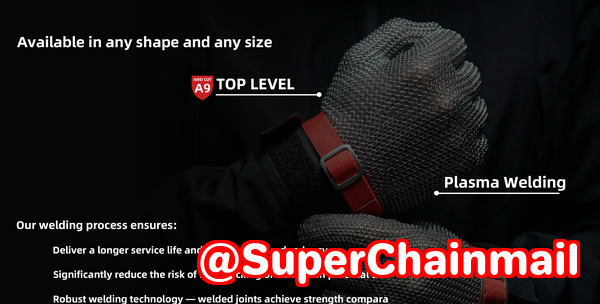
Welded rings are much stronger because they are permanently fused together, meaning the chainmail will hold up better over time, especially in high-stress environments.
-
Open rings can be easily pulled apart, making them more prone to breaking under pressure.
When purchasing a chainmail tunic, always check whether the rings are welded. It’s an extra step that guarantees the durability and longevity of your investment.
3. Wire Thickness and Ring Diameter: Don’t Skip These Details
While it’s easy to overlook, wire thickness and ring diameter are crucial factors when evaluating chainmail. These measurements determine the strength of the weave and how well it can protect you.
-
Wire Thickness: A thicker wire means a stronger chainmail. Look for chainmail with wires that are at least 1mm thick for good durability.
-
Ring Diameter: The diameter of the rings also affects strength. Smaller rings create a tighter, stronger weave, whereas larger rings may be less durable.
If you’re buying chainmail for industrial or food processing use, make sure that both wire thickness and ring diameter are up to the job. A small mistake here could compromise the effectiveness of the tunic.
4. Weave Patterns: European 4-in-1 and Beyond
Weave patterns are the bread and butter of chainmail construction. The most common and strongest pattern is European 4-in-1, where each ring is woven through four other rings. This pattern offers excellent durability and flexibility, making it ideal for protective purposes.
When inspecting a chainmail tunic, check the weave carefully. If the pattern seems inconsistent or the rings are too loose, that’s a red flag. A weak weave will compromise the integrity of the entire piece, reducing its effectiveness for protection.
The Benefits of Proper Chainmail Inspection
At this point, you may be wondering, “Why does this matter to me?” After all, aren’t all chainmail products essentially the same?
The truth is, the difference between a high-quality chainmail tunic and a cheap, unsafe one could be life-changing. Here’s why a proper inspection is so important:
-
Safety First: If you’re using chainmail for industrial cut protection or in a food processing environment, low-quality chainmail could fail when you need it most. Welded rings and proper weave patterns ensure that your chainmail will actually protect you from cuts and abrasions.
-
Cost Savings: High-quality chainmail might cost more upfront, but it’ll last longer and perform better. Poor-quality chainmail, on the other hand, will wear out faster, leading to more frequent replacements and higher costs in the long run.
-
Durability and Strength: Whether you’re wearing chainmail for cosplay or historical reenactments, durability is key. A poor weave or weak material means your chainmail could break under pressure, causing frustration or embarrassment.
How to Inspect Your Chainmail: Step-by-Step
Now that you understand what to look for, let’s break down a quick inspection routine to help you evaluate your chainmail tunic like a pro:
-
Check the Material:
-
Look for a clear label or product description that mentions 304 or 316 stainless steel.
-
For industrial or food-related use, always opt for 316 stainless steel.
-
-
Examine the Rings:
-
Welded rings should feel smooth and uniform. You shouldn’t be able to pull them apart with ease.
-
Open rings will show a gap where the ends don’t meet perfectly. They may feel loose or flimsy.
-
-
Test the Wire Thickness:
-
Use a ruler or measuring tape to check the wire thickness. Anything under 1mm is likely too weak for industrial use.
-
If the wire looks thin or the rings seem floppy, you’re probably dealing with low-quality chainmail.
-
-
Inspect the Weave:
-
A European 4-in-1 weave will feel tight and even.
-
If any rings are out of place or there are gaps, the weave could be compromised.
-
-
Perform a Pull Test:
-
Gently tug on a few rings to see if they come loose. This can give you an idea of how securely the rings are welded or closed.
-
Conclusion: A Smart Safety Investment
Chainmail tunics can be a fantastic safety investment, but only if you know what to look for. By following these inspection tips, you can ensure that you’re buying a piece of chainmail that’s both durable and safe, whether you’re using it for protection or display.
When I purchase chainmail, I always make sure to check the material, verify the welds, and test the weave patterns. I highly recommend doing the same before your next purchase. Don’t settle for anything less than the best.
Learn more about identifying high-quality chainmail products: Aegimesh Chainmail
Check out our detailed chainmail inspection guide today!
FAQs
How can I tell if a chainmail ring is welded or open?
Look for a visible seam in the ring. Welded rings will have a smooth, continuous surface, while open rings will show a gap where the ends don’t meet.
Which stainless steel grade is best for long-lasting chainmail?
316 stainless steel is ideal for durability and corrosion resistance, especially in industrial or food handling settings.
How do I inspect the weave pattern for strength?
Check that the rings are tightly interwoven, with no loose or inconsistent patterns. The European 4-in-1 weave is the most reliable.
What are the signs of low-quality or unsafe chainmail?
Signs include loose rings, a weak weave, inconsistent ring sizes, and poor material choice (e.g., aluminum instead of stainless steel).
Can decorative chainmail be used for protective purposes?
While decorative chainmail may look great, it often lacks the durability needed for safety. Always choose industrial-grade chainmail for protection.
How do I choose the right chainmail for industrial vs cosplay use?
For industrial or safety use, look for 316 stainless steel, welded rings, and a strong European 4-in-1 weave. For cosplay, 304 stainless steel is usually sufficient, but check the fit and comfort as well.
Keywords:
-
chainmail quality
-
welded rings
-
stainless steel chainmail
-
cut-resistant chainmail
-
chainmail inspection
-
European 4-in-1 weave
-
chainmail durability