Why Chainmail Arm Guards Are Essential for Forearm Protection
When you think of chainmail, your mind might wander to medieval knights, epic battle scenes, or even cosplay conventions. But today, chainmail is much more than a historical relic or costume accessory. It’s a crucial tool for forearm protection in industrial, food processing, and even cosplay settings. I’ve seen firsthand how a quality set of chainmail arm guards can make all the difference in safety, durability, and overall performance. Whether you’re in need of industrial-grade cut-resistant protection or looking for a stylish, historically accurate cosplay accessory, knowing how to evaluate the quality of chainmail is key to making the right investment.
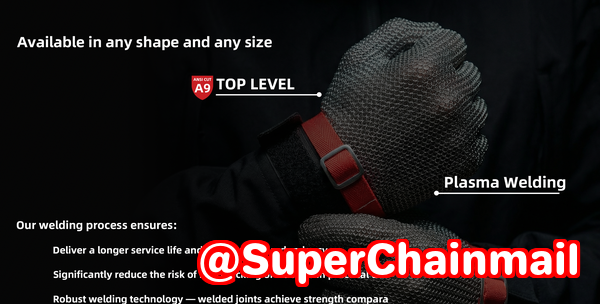
If you’re tired of sifting through poorly made products that fall apart too soon or fail to provide the protection you need, then you’re in the right place. I’ve put together this guide to help you identify high-quality chainmail arm guards that stand up to the test of time, offering the durability and safety you deserve. After all, whether you’re working with sharp tools, handling food, or just looking to create the perfect costume, chainmail arm guards are a great way to ensure your forearms are well-protected.
Identifying High-Quality Chainmail for Arm Guards
When it comes to selecting the best chainmail arm guards, the difference between a high-quality product and a low-quality one isn’t always obvious at first glance. There are a few common mistakes I’ve seen people make when buying chainmail, especially when it comes to evaluating materials, welds, and overall durability. Let me break down the most common pain points and show you how to avoid them.
Pain Point 1: Distinguishing Welded Rings from Open Rings
One of the first things you’ll want to check when evaluating chainmail is the construction of the rings. Are they welded or open? While it might seem like a minor detail, it can make all the difference when it comes to durability.
-
Welded rings: These rings are fused together at the seams, making them much stronger and more durable than open rings. They provide a tighter, more secure weave that won’t fall apart under stress.
-
Open rings: These are often used in cheaper chainmail products. While they may look similar at first glance, open rings can easily unravel, compromising the safety and effectiveness of the arm guards.
When inspecting chainmail, you can usually tell if the rings are welded by looking closely at the seams. If the ends of the rings are fused together, then you’ve got a welded ring. If you can see an obvious gap, it’s likely an open ring.
Pain Point 2: Choosing the Right Stainless Steel Grade
The grade of stainless steel used in the chainmail is another critical factor that can affect its performance and longevity. There are two main grades you’ll encounter:
-
304 Stainless Steel: This is the most common grade used in chainmail production. While it’s resistant to rust and corrosion, it’s not as durable in highly demanding environments, especially when exposed to moisture or harsh conditions.
-
316 Stainless Steel: If you’re looking for something with superior corrosion resistance and longer-lasting durability, 316 stainless steel is the way to go. This grade is ideal for chainmail used in industrial settings or for those exposed to food-grade environments where hygiene is a top priority.
If you’re unsure which grade is best for your needs, think about the environment in which you’ll be using the chainmail. For industrial or food processing use, I highly recommend going with 316 stainless steel to ensure your arm guards can withstand wear and tear over time.
Pain Point 3: Weak or Inconsistent Weaves
Another common issue I see with low-quality chainmail is inconsistent or weak weave patterns. The most common and strongest weave pattern is the European 4-in-1, which creates a tight, interlocking structure that offers superior protection. This weave pattern distributes the force of a cut across several rings, making it highly effective in preventing injuries from sharp tools or blades.
When inspecting chainmail, check the weave for consistency. Are the rings evenly aligned? Does the weave look tight, or are there gaps that might cause weakness? If you see any irregularities in the weave, that’s a red flag. Poor craftsmanship in the weave can lead to weak spots that compromise the overall strength of the arm guards.
Practical Guidance for Evaluating Chainmail Quality
Now that we’ve covered some common pain points, let’s dive into some practical tips on how you can inspect and verify the quality of chainmail before making a purchase.
Step 1: Check the Material Type
As mentioned earlier, the material type is one of the first things to inspect. Look for 316 stainless steel if you need corrosion resistance and durability. If you’re simply looking for chainmail for display or light cosplay, 304 stainless steel may be sufficient. Check the product description for details on the material to ensure you’re getting the right type for your needs.
Step 2: Inspect the Ring Welding and Thickness
Look at the rings closely to determine whether they are welded or open. You can also check the wire thicknessthicker wire is generally more durable and resistant to damage. A thicker wire also ensures a stronger weave, which is critical for industrial applications. If you’re unsure about the thickness, a quick comparison to a known standard (like a wire gauge) can help you make a more informed decision.
Step 3: Examine the Weave Pattern
As I mentioned before, the European 4-in-1 weave is the most commonly used pattern for strong, durable chainmail. It’s worth taking a few extra minutes to inspect the weave. Run your fingers over the rings to see if they feel evenly interlocked and tightly woven. A high-quality chainmail weave will feel solid and firm to the touch, with no gaps or loose rings.
Step 4: Perform a Simple Pull Test
This might sound a bit strange, but performing a simple pull test can be a great way to check the durability of the chainmail. Gently tug at the rings to see how well they hold together. If the rings start to pull apart, it’s a sign that the chainmail is poorly constructed and may not offer the protection you’re looking for.
Step 5: Look for Signs of Corrosion
Even stainless steel can develop corrosion over time if it’s not properly cared for or if it’s a low-quality grade. Look for any signs of discoloration, rust, or rough spots on the surface of the rings. If you notice any of these, it’s best to avoid the product altogether, as it may not be up to standard.
Conclusion: Invest in Quality Chainmail for Safety and Durability
When it comes to choosing the right chainmail arm guards for forearm protection, quality should always be your top priority. By following the steps I’ve outlinedchecking the material, inspecting the welds and weave, performing a pull test, and looking for signs of corrosionyou can ensure that the chainmail you purchase is both durable and safe.
I highly recommend using these inspection techniques when evaluating any chainmail product, whether for industrial use, food processing, or cosplay. It’s always better to invest a little more upfront in high-quality chainmail than to risk your safety or waste money on a subpar product.
For more information on selecting and inspecting high-quality chainmail products, visit our website and check out our detailed guide: Aegimesh Chainmail Inspection Guide.
Frequently Asked Questions (FAQs)
-
How can I tell if a chainmail ring is welded or open?
Look at the seams of the rings. Welded rings will have fused ends, while open rings will have visible gaps.
-
Which stainless steel grade is best for long-lasting chainmail?
For superior durability and corrosion resistance, 316 stainless steel is the best option.
-
How do I inspect the weave pattern for strength?
Check for consistency in the interlocking rings. A tight, evenly spaced European 4-in-1 weave is a sign of strong chainmail.
-
What are the signs of low-quality or unsafe chainmail?
Signs include open rings, inconsistent weave patterns, thin wire, or any evidence of corrosion.
-
Can decorative chainmail be used for protective purposes?
While it may look good, decorative chainmail often lacks the durability required for protection. Always check the material and weave before using it for protection.
-
How do I choose the right chainmail for industrial vs cosplay use?
For industrial applications, always opt for 316 stainless steel with a tight, durable weave. For cosplay, 304 stainless steel may suffice, but be sure to check the weave for strength.
Tags/Keywords
-
chainmail quality
-
welded rings
-
stainless steel chainmail
-
cut-resistant chainmail
-
chainmail inspection
-
European 4-in-1 weave
-
chainmail durability