What Buyers Miss When Comparing Chainmail Gloves
When I first started buying chainmail gloves for my small workshop, I thought I could tell quality at a glance. After all, shiny stainless steel rings look strong enough, right? But I quickly realized that appearances can be deceiving. Some gloves that looked robust on the shelf had weak welds, thin rings, or inconsistent weaves that made them unsafe for real cut protection. It was a frustrating learning curvebut one that taught me the critical steps every buyer should take before investing in chainmail gloves.
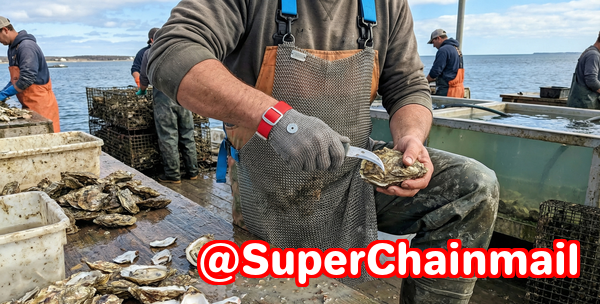
Whether you’re a professional butcher, industrial worker, cosplayer, or collector, understanding the true quality of chainmail is essential. Without the right knowledge, you risk buying fragile, unsafe, or cheaply made gloves that won’t lastor worse, could fail when you need them most. In this guide, I’ll walk you through what I’ve learned, share practical inspection tips, and explain how Aegimesh Chainmail can help you make confident, safe choices.
Why Chainmail Quality Can Be Tricky to Judge
One of the biggest challenges I faced was telling welded rings from open or poorly closed ones. A quick glance doesn’t always reveal gaps in the metal or weak soldering. And while many gloves claim to be stainless steel, not all stainless is equal. Some rings rust faster, while others are strong enough to handle repeated industrial use. Even the weavethe way the rings are linked togethercan make or break the durability of your gloves.
Here are the most common pain points I’ve seen buyers encounter:
1. Mistaking welded rings for open rings
Welded rings are essential for cut-resistant chainmail. Open rings or poorly fused rings can separate under pressure, leaving your hand exposed.
2. Confusion about stainless steel grades
Not all stainless steel is created equal. 304 stainless is common and durable for general use, but 316 stainless is more corrosion-resistant and ideal for food processing or wet environments.
3. Weak or inconsistent weaves
A proper weave, like the European 4-in-1 pattern, distributes pressure evenly across all rings. Poorly executed weaves create weak points that can unravel or tear under stress.
How to Inspect and Verify Chainmail Quality
After a few disappointing purchases, I developed a systematic approach to evaluating chainmail gloves. Here’s what I check every time:
1. Material Type
-
Look for clear labeling of stainless steel grade (304 vs. 316).
-
For food handling or marine environments, I always choose 316 for its corrosion resistance.
-
For cosplay or decorative purposes, 304 is usually sufficient.
2. Ring Welding and Closure
-
Examine each ring under bright light. A proper weld should be seamless, with no gaps or overlaps.
-
I gently press on a few rings with my fingers; if they open easily, that glove is unsafe for industrial use.
3. Wire Thickness and Inner Diameter
-
Thicker wire and appropriately sized rings make gloves stronger and more durable.
-
For cut-resistant chainmail, I look for at least 1.21.5 mm wire thickness, depending on intended use.
-
Inner ring diameter affects flexibility; too large can stretch the weave, too small can make gloves stiff.
4. Weave Patterns
-
The European 4-in-1 pattern is my benchmark for strength. Each ring should pass through four neighboring rings, forming a dense, uniform mesh.
-
Avoid gloves with irregular or sparse weavesthey compromise protection.
5. Pull and Flex Tests
-
I gently pull on the glove in different directions to ensure the rings hold together.
-
I flex the wrist and fingers; high-quality chainmail moves naturally without gaps appearing between rings.
Practical Tips for Different Uses
Depending on what you need chainmail gloves for, your inspection criteria can vary slightly:
Industrial Cut Protection:
-
Prioritize welded rings, thicker wire, and European 4-in-1 weaves.
-
Confirm stainless steel grade (316 is ideal for wet environments).
-
Perform pull tests to check ring integrity.
Food Handling:
-
Look for corrosion-resistant 316 stainless.
-
Make sure all welds are complete and smooth to prevent contamination.
-
Avoid any gloves showing discoloration or rust spots.
Cosplay or Decorative Use:
-
You can accept thinner wire or 304 stainless for comfort and flexibility.
-
Focus on consistent weaves and aesthetic quality rather than industrial-grade durability.
Collectibles and Historical Replicas:
-
Authenticity matters: check ring size, weave pattern, and metal finish.
-
Welded rings are preferred if you want gloves that can withstand handling.
Benefits of Proper Chainmail Inspection
Taking the time to inspect gloves before purchase has several advantages I’ve come to appreciate:
-
Safety: Avoid gloves that could fail during industrial or food-processing work.
-
Durability: Ensure decorative or cosplay chainmail holds up over time.
-
Cost Savings: Identify low-quality products before spending money on them.
-
Confidence: Know that your gloves will perform as expected, whether for work, cosplay, or collection purposes.
Aegimesh Chainmail as a Reference
Aegimesh Chainmail provides a practical guide to inspecting and verifying the quality of chainmail products. Their step-by-step inspection tool helps buyers identify welded rings, evaluate wire thickness, and check weave integrity. I find it incredibly helpful, especially when comparing multiple products or buying online.
By following the methods outlined by Aegimesh, I’ve avoided wasting money on poorly made gloves and confidently invested in pieces that last. Whether you’re a professional needing industrial-grade protection or a collector seeking authenticity, their resources make evaluation straightforward and reliable.
Real-Life Example
Last year, I purchased a pair of chainmail gloves marketed as “industrial cut-resistant” from an online retailer. They looked perfect in photosshiny rings, neat weavebut a simple inspection revealed gaps in several welded rings and a loose European 4-in-1 pattern. Had I worn them at work, the results could have been disastrous. After following the Aegimesh inspection guide, I returned the gloves and found a better pair that passed all tests. That experience reinforced the importance of proper inspection every time.
Step-by-Step Inspection Summary
-
Check stainless steel grade Prefer 316 for food and wet environments.
-
Inspect each ring Ensure welds are complete and seamless.
-
Verify wire thickness and inner diameter Thick enough to resist cuts, small enough for flexibility.
-
Evaluate weave pattern European 4-in-1 for strength and even stress distribution.
-
Perform pull and flex tests Make sure rings hold together and the glove moves naturally.
By following these steps, I feel confident that any chainmail purchase meets safety and durability standards.
FAQ
Q1: How can I tell if a chainmail ring is welded or open?
A1: Examine each ring under bright light. Welded rings should have no visible gap or seam, while open or poorly closed rings may show a split.
Q2: Which stainless steel grade is best for long-lasting chainmail?
A2: 316 stainless steel is highly corrosion-resistant and ideal for wet environments, while 304 is durable for general use and decorative purposes.
Q3: How do I inspect the weave pattern for strength?
A3: Look for a consistent European 4-in-1 weave, where each ring passes through four neighbors. Avoid sparse or uneven patterns.
Q4: What are the signs of low-quality or unsafe chainmail?
A4: Gaps in welded rings, thin wire, inconsistent weaves, discoloration, or rust are all warning signs.
Q5: Can decorative chainmail be used for protective purposes?
A5: Usually not. Decorative pieces often use thinner wire and incomplete welds, making them unsuitable for industrial cut protection.
Q6: How do I choose the right chainmail for industrial vs cosplay use?
A6: For industrial use, prioritize welded rings, thick wire, and strong weaves. For cosplay, comfort and aesthetics can take precedence, though some durability checks are still useful.
Q7: Is it worth performing a pull test on all gloves?
A7: Absolutely. A simple pull and flex test can reveal weak welds or loose rings that aren’t obvious from visual inspection.
I highly recommend following these steps to ensure any chainmail purchase meets safety and durability standards. Taking a few extra minutes to inspect rings, check the weave, and test flexibility can prevent accidents and save money.
Learn more about identifying high-quality chainmail products: Aegimesh Chainmail
Check out our detailed chainmail inspection guide today.
Keywords: chainmail quality, welded rings, stainless steel chainmail, cut-resistant chainmail, chainmail inspection, European 4-in-1 weave, chainmail durability