The Strength of Steel Chainmail in Protecting Against Stabbing and Cutting
When you’re in the market for chainmail, whether for industrial use, cosplay, or even a historical display, the last thing you want is to end up with a product that doesn’t meet your expectations or, worse, isn’t safe. I can’t tell you how many times I’ve spoken to buyers who’ve fallen for flashy ads or low prices, only to find out they’ve been sold low-quality, flimsy chainmail. Whether you need it for heavy-duty protection in a food-processing facility or a lightweight set for your next costume, making sure you’re buying the right chainmail is crucial.
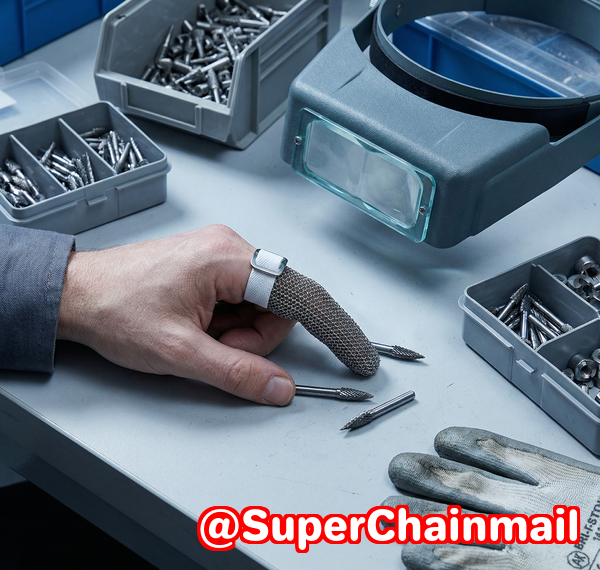
In this guide, I’ll walk you through exactly how to identify high-quality chainmail that will keep you safe, durable, and happy with your purchase. From inspecting welded rings to evaluating weave patterns, I’ll show you the best ways to ensure you’re getting the strongest, most reliable chainmail for your needs.
Common Pitfalls When Buying Chainmail
Before we dive into the specifics of inspection, let’s take a look at a few of the challenges buyers face when purchasing chainmail:
-
Welded Rings vs. Open Rings: One of the first things many buyers struggle with is distinguishing between welded and open rings. The difference here can impact the overall strength and durability of the chainmail. Open rings are often cheaper but can break or loosen over time, leaving you with a less protective and fragile product.
-
Confusing Stainless Steel Grades: Stainless steel is the go-to material for chainmail, but not all grades are created equal. The two most common types you’ll come across are 304 and 316 stainless steel. 304 is less resistant to corrosion, especially in high-moisture environments, while 316 is more durable and rust-resistant. Not knowing the difference can lead to premature wear and tear or ineffective protection.
-
Weak or Inconsistent Weave Patterns: The weave pattern, such as the popular European 4-in-1, is vital for the chainmail’s strength. A poorly executed weave can leave weak points in the armor, reducing its effectiveness in protecting against cuts or stabs.
How to Inspect Chainmail Quality
Now that we know some of the pain points buyers face, let’s discuss how you can avoid them. Follow these simple steps to ensure the chainmail you purchase is up to the mark:
1. Check the Material Type
The type of material used in chainmail significantly affects its durability and corrosion resistance. 304 stainless steel is the most common but also the least resistant to corrosion. While it works fine in dry environments or for decorative purposes, it might not be your best choice for industrial or food-processing environments.
If you’re looking for long-lasting, corrosion-resistant chainmail, go with 316 stainless steel. This grade is particularly suited for environments where the chainmail will be exposed to moisture or harsh conditions. It’s a bit more expensive but worth the investment if you need durability and protection.
2. Inspect the Rings: Welded vs. Open Rings
When inspecting a chainmail product, one of the first things to check is the type of rings used. Welded rings are a must for strong, long-lasting chainmail. They are sturdier because they are fused together, which prevents them from opening or loosening over time. Open rings, on the other hand, are cheaper to produce but can be less reliable, especially under stress.
To check if the rings are welded, simply look for the seam. A welded ring will have a clean, smooth seam where the two ends of the wire are fused together. If you notice any gaps, cracks, or rough edges, it’s likely an open ring.
3. Evaluate Wire Thickness and Ring Diameter
Once you’ve checked the ring type, you’ll want to move on to wire thickness and ring diameter. The thickness of the wire and the inner diameter of the rings can greatly impact how strong and flexible your chainmail is. Thicker wire means more durability, but it can also make the chainmail heavier. For most industrial or food-handling applications, you’ll want wire that’s thick enough to prevent cuts and punctures but not so thick that it’s cumbersome.
The ring diameter plays a role in how tightly the rings fit together. A tighter ring diameter leads to a denser, stronger weave. If the rings are too large or the diameter is too wide, the weave will be looser, which compromises the chainmail’s overall strength and effectiveness.
4. Inspect the Weave Pattern
The weave pattern is another critical aspect of chainmail quality. One of the most commonly used weaves is European 4-in-1, where each ring is woven through four others. This creates a strong, tight-knit structure that’s perfect for both protective and decorative uses.
While European 4-in-1 is the gold standard, it’s not the only option out there. There are other weaves like 4-in-2, 6-in-1, and 8-in-1, which may offer different benefits depending on your intended use. Be sure to inspect the pattern closely and ensure it’s consistent throughout the product. Any inconsistencies or loose rings are a red flag for subpar craftsmanship.
The Benefits of Proper Inspection
Performing a thorough inspection of your chainmail before purchasing brings a wealth of benefits:
-
Safety First: Low-quality chainmail can break under stress or fail to protect against sharp objects. By inspecting key features like welds and material types, you ensure that you’re buying something that will actually provide the protection you need.
-
Avoid Wasting Money: Chainmail can be an expensive investment, especially if you’re buying it for industrial or protective use. By identifying low-quality pieces early on, you avoid throwing your money away on something that won’t last.
-
Tailored Use: Different types of chainmail are designed for different uses. By understanding what to look for, you can make sure you’re buying the right kind of chainmail for your specific needswhether it’s for cosplay, historical reenactments, or industrial work.
How to Perform Simple Tests on Chainmail
Once you’ve inspected the chainmail, you can perform a few basic tests to assess its quality further:
Pull Test
A simple pull test will help you gauge the strength of the rings. Grab a handful of rings and pull them in different directions. A high-quality chainmail should hold firm with little to no stretch, while poorly made chainmail may show signs of slack or breakage under pressure.
Corrosion Check
If you’re considering chainmail for industrial use, corrosion resistance is a must. Check for signs of rust or corrosion, particularly around the welds. Chainmail that’s already showing signs of corrosion likely won’t last long in harsh environments.
Craftsmanship Inspection
Look closely at the overall craftsmanship. Are the rings aligned properly? Do the weaves seem tight and consistent? Any irregularities can point to poor manufacturing practices, which could compromise the integrity of the chainmail.
Conclusion: Buy with Confidence
When it comes to purchasing chainmail, I highly recommend following these steps to ensure any purchase meets safety and durability standards. Proper inspection can save you money, time, and frustration, all while ensuring that your chainmail will perform the way you expect.
Whether you’re looking for industrial-grade cut-resistant chainmail, cosplay armor, or a historical replica, these simple checks will help you make an informed choice. For more detailed information on inspecting chainmail or to browse high-quality products, check out Aegimesh Chainmail’s Guide today.
FAQ
1. How can I tell if a chainmail ring is welded or open?
Look for a clean, smooth seam. Welded rings will be fused together without any gaps, while open rings may have rough edges or visible breaks.
2. Which stainless steel grade is best for long-lasting chainmail?
316 stainless steel is the most durable and corrosion-resistant, making it ideal for long-term use, especially in moist or industrial environments.
3. How do I inspect the weave pattern for strength?
Ensure the weave is tight and consistent, with no loose rings or gaps. A European 4-in-1 pattern is typically the strongest.
4. What are the signs of low-quality or unsafe chainmail?
Weak rings, inconsistent weaves, signs of rust or corrosion, and poor craftsmanship are all red flags for low-quality chainmail.
5. Can decorative chainmail be used for protective purposes?
While decorative chainmail may look great for cosplay or historical reenactments, it often lacks the strength and durability required for protection in industrial settings.
6. How do I choose the right chainmail for industrial vs. cosplay use?
For industrial use, focus on durability, corrosion resistance, and strength. For cosplay, comfort and visual appeal are key, but ensure it’s still sturdy enough for wear.
Tags: chainmail quality, welded rings, stainless steel chainmail, cut-resistant chainmail, chainmail inspection, European 4-in-1 weave