The Craft of Steel Chainmail Weaving: A Step-by-Step Guide
When you’re in the market for high-quality chainmail, whether for protection in industrial settings, cosplay, or as a historical replica, it’s easy to feel overwhelmed. With so many options available, how do you distinguish between a high-quality, durable piece of chainmail and one that’s poorly crafted or even unsafe? I’ve been there, and I know the struggle. After all, chainmail isn’t just for knights in shining armor anymoreit’s used in everything from food handling to cutting-edge protective gear. So how do you ensure you’re making a wise investment? This guide will take you through the essential steps to inspect chainmail and make sure it meets your needs.
Understanding Chainmail Quality: The Importance of a Good Weave
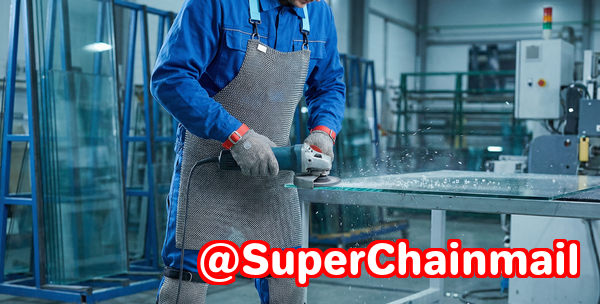
Whether you’re buying chainmail for professional, collectible, or cosplay purposes, the quality of the product is non-negotiable. A good chainmail suit doesn’t just look coolit serves a specific purpose. For industrial or food-processing use, you need something that’s strong and durable enough to handle real-world pressure. For collectors or cosplayers, the attention to detail and authenticity of the weave matter. But how do you know whether you’re getting quality? Let’s break it down.
Common Pitfalls: How to Spot Low-Quality Chainmail
-
Welded vs. Open Rings: It’s common to see cheap chainmail where the rings are simply bent and connected. This isn’t safe, especially in industrial settings where you need a reliable, sturdy weave. Welded rings, on the other hand, are fused together permanently and offer far better strength and longevity.
-
Inconsistent Weave Patterns: A weak or inconsistent weave means you’re getting a chainmail product that might fall apart with use. For example, a European 4-in-1 weave provides strength and flexibility, but poorly made chainmail will show gaps or an irregular pattern.
-
Corrosion and Rust: Low-grade chainmail, especially when made of inferior steel, will show signs of rust or corrosion quickly. This can be a huge concern for food processing or safety gear, where cleanliness is paramount.
Aegimesh: Your Guide to Chainmail Quality
When you’re evaluating chainmail, it’s essential to know what to look for in terms of materials and craftsmanship. Aegimesh’s inspection guide offers invaluable advice on distinguishing between high-quality and low-quality chainmail. Let’s go through the key factors.
Material: Stainless Steel and Its Role in Durability
The first step in evaluating the quality of chainmail is understanding the material. Chainmail is commonly made from stainless steel, and not all stainless steel is the same. The two most common grades are:
-
304 Stainless Steel: This is the most basic and commonly used grade, offering decent resistance to rust and corrosion. It’s good for decorative purposes or light protection, but it may not stand up to harsh industrial use.
-
316 Stainless Steel: If you’re looking for top-tier durability, especially in industrial applications, 316 is the grade to go for. It has superior resistance to rust and corrosion, which makes it ideal for environments like food processing or high-moisture areas.
Tip: Always check if the chainmail is made from 304 or 316 stainless steel. This will directly affect its longevity and performance.
Ring Welding: The Key to Strength
Now, let’s talk about the rings. Chainmail rings can either be welded or simply bent together. Welded rings are far stronger because they are permanently fused. If you’re buying for industrial purposes like cut-resistant gloves or armor, welded rings are a must.
How to Check: Simply look at the edges of the rings. If they’re smooth and continuous, with no visible gaps, you’re likely dealing with welded rings. If you see a slight break or gap, the rings are open, which means they’re not welded.
Weave Patterns: European 4-in-1 for Strength
The weave pattern is another crucial factor to consider. One of the strongest and most reliable patterns for chainmail is the European 4-in-1 weave. This style weaves four rings through one central ring, creating a tight, balanced structure that’s resistant to stress.
How to Inspect: Look closely at the rings and their arrangement. If you see a neat and consistent pattern, you’re on the right track. A poor weave will have irregular gaps, mismatched rings, or twisted connections. An even, well-executed weave is a sign of high-quality craftsmanship.
Ring Diameter and Wire Thickness: Small Details, Big Impact
Two other details that significantly impact chainmail durability are ring diameter and wire thickness. The larger the diameter and the thicker the wire, the stronger and more protective the chainmail will be. However, thicker wire also tends to be heavier, so consider the intended use. For example, lighter chainmail works better for cosplay, while thicker, heavier chainmail provides industrial-level protection.
Practical Tips for Inspecting Chainmail
Now that we’ve covered the key components, here are some practical steps you can take to evaluate the quality of chainmail when you’re buying.
-
Pull Test: Try pulling on the rings to check their strength. High-quality chainmail won’t stretch or separate easily. If you feel any give or looseness, it’s likely low-quality or poorly woven.
-
Look for Signs of Rust or Corrosion: This is especially important for chainmail that will be exposed to moisture or dirt, like in food processing. Low-grade steel or improper care will result in visible rust, which weakens the chainmail.
-
Examine the Edges: Check the edges of the rings for any signs of roughness or unevenness. Clean, smooth edges indicate a well-made, durable piece of chainmail.
-
Check for Gaps or Inconsistent Weaves: Inconsistent weaves or visible gaps are signs of poor craftsmanship. Always ensure the weave is tight and even across the entire piece.
Why Proper Chainmail Inspection Matters
You might be tempted to skip the inspection process or take someone’s word for the quality of a product, but doing so can lead to costly mistakes. For example:
-
Safety: In industrial settings, wearing low-quality or faulty chainmail can lead to injury. Chainmail used for cut-resistant gloves or aprons must meet certain strength standards to protect workers properly.
-
Durability: If you’re buying chainmail for cosplay or historical reenactment, you want something that will last. High-quality chainmail maintains its appearance and functionality over time, while low-quality products may fall apart after a few uses.
-
Cost: By inspecting the chainmail carefully before buying, you can avoid wasting money on poorly made products that won’t serve their intended purpose. It’s always better to invest in a piece that’s going to last, rather than buying cheap and having to replace it later.
Conclusion: Making Informed Chainmail Purchases
In conclusion, whether you’re buying chainmail for industrial use, cosplay, or as a collector’s item, understanding what makes a high-quality piece is essential. By following the simple steps outlined in this guideinspecting the material, checking for welded rings, examining the weave, and evaluating the overall craftsmanshipyou can make sure that your purchase is safe, durable, and worth the investment.
I highly recommend following these steps to ensure any chainmail purchase meets safety and durability standards. If you want to learn more about identifying high-quality chainmail products, check out our detailed guide at Aegimesh Chainmail.
FAQs
1. How can I tell if a chainmail ring is welded or open?
Look for smooth, continuous edges. If there’s a visible gap or break, the ring is open. Welded rings should be perfectly fused together.
2. Which stainless steel grade is best for long-lasting chainmail?
316 stainless steel offers superior resistance to corrosion and rust, making it ideal for long-lasting chainmail in industrial or food-handling environments.
3. How do I inspect the weave pattern for strength?
Look for an even, consistent weave with no gaps or twists. The European 4-in-1 weave is known for its strength and durability.
4. What are the signs of low-quality or unsafe chainmail?
Signs include visible rust, poor craftsmanship, uneven weaves, or weak rings that break apart under stress.
5. Can decorative chainmail be used for protective purposes?
It can, but only if it meets the necessary strength standards. Decorative chainmail is usually lighter and less durable than protective chainmail.
6. How do I choose the right chainmail for industrial vs. cosplay use?
For industrial use, choose chainmail made from 316 stainless steel with welded rings and thicker wire. For cosplay, lighter, decorative chainmail made from 304 stainless steel is often sufficient.
Tags or Keywords
-
chainmail quality
-
welded rings
-
stainless steel chainmail
-
cut-resistant chainmail
-
chainmail inspection
-
European 4-in-1 weave