The Best Steel Grades for Making High-Quality Chainmail Armor
When you’re in the market for chainmail, whether for protection, cosplay, or display, knowing how to spot quality can be a challenge. After all, not all chainmail is created equal. I’ve often heard from buyers who struggle with making the right choiceconcerns like, “How do I tell if the rings are welded? How can I know if the steel is durable enough for protection?” If you’ve ever felt this way, you’re not alone. With so many options available, it’s easy to be overwhelmed, especially when you need your chainmail to be durable, safe, and long-lasting.
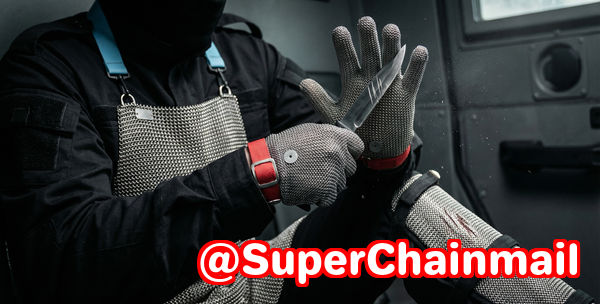
So, what can you do to avoid low-quality or unsafe chainmail? In this guide, I’ll walk you through practical steps to help you evaluate chainmail, from identifying welded rings to inspecting the steel’s grade. By the end, you’ll know exactly how to assess the quality of any chainmail product, ensuring it meets your needswhether for industrial use, cosplay, or historical reenactments.
Understanding Chainmail Quality: The Basics
Before we dive into the specifics of inspecting chainmail, let’s first discuss why it’s essential to get it right.
If you’re purchasing chainmail for industrial protection, you need to know it’s cut-resistant and durable enough for your work environment. For food handling, safety is paramountyou don’t want material that might break or corrode. For collectors and cosplayers, while you might not be looking for extreme durability, you’ll still want to ensure your chainmail has a high-quality, authentic appearance.
Here are some common pain points I’ve seen over the years when people are assessing chainmail:
-
Welded vs. Open Rings: It can be tricky to tell if the rings are welded or open. Open rings are more fragile and prone to unweaving.
-
Steel Grades: Not all stainless steel is created equal. Some grades are more resistant to corrosion and rust than others.
-
Weak Weaves: Some weaves look pretty but are too weak to handle the stress of regular use.
Now, let’s tackle each of these issues so you can make informed decisions when buying chainmail.
1. Ring Construction: Welded or Open?
One of the first things to check is the construction of the rings. The rings in high-quality chainmail should be welded, not open. While open rings might look fine at first glance, they’re weaker and can unravel more easily, especially when subjected to stress or force.
How to Tell If the Rings Are Welded:
-
Visual Inspection: Look closely at the edge of the rings. If you see a visible seam or gap, the ring is likely open. Welded rings will have a smooth, continuous edge where the ring has been fused together.
-
Pull Test: If you can gently pull apart the ring, it’s an open ring. Welded rings should hold firm, even under pressure.
-
Strength and Durability: Welded rings are far superior in terms of durability. They’re far less likely to break or loosen over time, making them ideal for high-impact applications, like industrial protection or armor.
2. Steel Grades: 304 vs. 316 Stainless Steel
Stainless steel is the material of choice for high-quality chainmail, but not all grades are equal. There are two main grades commonly used in chainmail: 304 and 316 stainless steel.
-
304 Stainless Steel: This is the most common and affordable grade. While it’s corrosion-resistant, it’s not as durable in harsh conditions, like exposure to saltwater or industrial environments.
-
316 Stainless Steel: If you’re looking for long-lasting, corrosion-resistant chainmailespecially for industrial or food-handling purposesthis is the superior choice. 316 steel has added molybdenum, which provides greater resistance to rust and corrosion.
How to Check Steel Grade:
-
Ask the Supplier: The easiest way to confirm the steel grade is to check with the manufacturer. If they don’t provide this information upfront, it’s a red flag.
-
Price Point: Higher-quality 316 stainless steel chainmail will usually be more expensive due to its enhanced corrosion resistance.
3. Ring Thickness and Diameter
The thickness and diameter of the rings play a crucial role in the strength of your chainmail. Thin rings might look attractive and lightweight, but they’re more prone to breaking or warping under stress. On the other hand, rings that are too thick can be uncomfortable or rigid, especially for cosplay or wearables.
How to Evaluate Ring Thickness and Diameter:
-
Use a Caliper: If you want to measure the wire thickness and inner diameter, use a digital caliper to get an accurate reading. Generally, thicker rings (around 16-18 gauge) are more durable.
-
Inspect the Pattern: Weave patterns like the European 4-in-1 (the most common and strongest weave) should be tightly interlocked. If the rings are too far apart or if the weave looks loose, this could indicate poor craftsmanship or weak construction.
4. Weave Patterns: European 4-in-1 for Strength
When it comes to chainmail weaves, the European 4-in-1 weave is the gold standard. This weave involves each ring being passed through four others, creating a tight and secure structure. Weaves like this are strong, flexible, and provide great protection.
How to Inspect Weave Patterns:
-
Tightness: Run your fingers through the chainmail. The weave should feel tight and firm, not loose or sagging.
-
Symmetry: The rings should be evenly spaced, and the pattern should be consistent. Any irregularities can compromise the chainmail’s strength.
-
Flexibility: High-quality chainmail should be flexible enough to bend without breaking or distorting the weave. If it feels stiff or brittle, it might not be made to last.
Practical Tips for Evaluating Chainmail Quality
To wrap up this section, here are some quick tips for evaluating the quality of chainmail:
-
Pull Test: Gently tug on individual rings to check for strength.
-
Look for Welds: Check for visible welds on rings to ensure they’re not open.
-
Check Material: Always confirm the steel grade (304 vs. 316) for corrosion resistance.
-
Inspect the Weave: Ensure the rings are tightly interwoven in a symmetrical pattern.
-
Check for Corrosion: Examine the surface for any signs of rust or deterioration.
Conclusion: Buy With Confidence
In summary, the key to buying high-quality chainmail is knowing how to inspect it properly. Whether you’re looking for cut-resistant chainmail for industrial use or a cosplay piece that will last through multiple conventions, following these simple steps will help you avoid poor-quality products. I highly recommend inspecting each chainmail piece for welded rings, the appropriate steel grade, proper wire thickness, and the strength of the weave pattern. This will not only ensure safety but also give you peace of mind knowing you’ve made a smart investment.
For more detailed guidance on inspecting chainmail, check out our chainmail inspection guide.
FAQ
1. How can I tell if a chainmail ring is welded or open?
Look for a smooth, continuous edge. If you see a gap or seam, it’s open. Welded rings have a seamless, fused edge.
2. Which stainless steel grade is best for long-lasting chainmail?
316 stainless steel is the best for durability and corrosion resistance, especially in industrial or food-processing environments.
3. How do I inspect the weave pattern for strength?
Look for a tight, symmetrical weave where each ring is securely interlocked with four others. The European 4-in-1 pattern is a reliable choice.
4. What are the signs of low-quality or unsafe chainmail?
Signs include open rings, inconsistent weave patterns, thin or flimsy rings, and visible corrosion.
5. Can decorative chainmail be used for protective purposes?
While decorative chainmail looks great, it may not provide the necessary strength or durability for protective use, especially in industrial settings.
6. How do I choose the right chainmail for industrial vs. cosplay use?
For industrial use, choose 316 stainless steel, welded rings, and a strong, tight weave. For cosplay, you can use lighter materials like 304 stainless steel, but ensure the weave is still durable.
7. What are the benefits of inspecting chainmail before purchase?
Proper inspection helps you avoid unsafe or low-quality products, ensures durability, and saves money by preventing wasteful purchases.
Keywords
chainmail quality, welded rings, stainless steel chainmail, cut-resistant chainmail, chainmail inspection, European 4-in-1 weave