Steel Metal Chainmail Usage Safety Guidelines
When purchasing chainmail for protection, cosplay, or even display, it’s often difficult to know which products are genuinely high-quality. How do you ensure you’re investing in something that will stand up to the task, whether for industrial use or as a collector’s item? Are you unknowingly buying a cheap imitation? In this guide, I’ll walk you through the most crucial aspects of evaluating chainmail, providing practical tips to help you make an informed decision every time.
Identifying Quality Chainmail: A Common Dilemma
If you’re reading this, you’re probably familiar with the frustration of purchasing chainmail and then realizing it doesn’t live up to expectations. Maybe you’ve bought a piece for protection, only to find it doesn’t offer the strength you need. Or perhaps you’ve invested in a cosplay chainmail shirt, only to see the rings fall apart after a few uses. This is a common issue, and I’ve seen it time and again in my own experience.
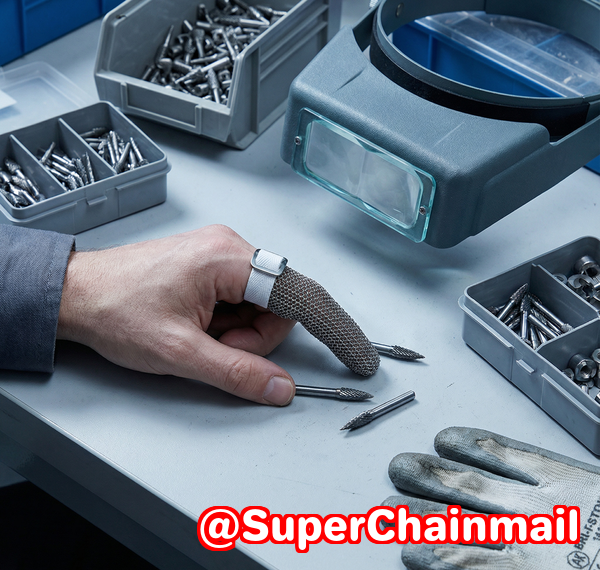
When it comes to chainmail, not all products are created equal. Whether you’re using it for food handling, industrial protection, historical reenactments, or cosplay, understanding the basics of chainmail quality can save you from wasting your money and compromising safety. Here are some of the most frequent problems buyers face:
-
Welded vs Open Rings: It’s often difficult to distinguish between a high-quality welded ring and a low-quality open ring.
-
Corrosion Resistance: Not all stainless steel is created equal, and some grades are more resistant to corrosion than others.
-
Weak or Inconsistent Weaves: A loose weave or inconsistent ring size can drastically reduce the durability of your chainmail, making it ineffective for its intended purpose.
Fortunately, there are ways to properly inspect and verify chainmail quality before making a purchase.
The Importance of Chainmail Inspection
The good news is that with a little knowledge, you can easily identify high-quality chainmail. Here’s a simple inspection guide that will help you determine whether the chainmail you’re considering is safe, durable, and worth your investment.
1. Check the Material: Stainless Steel Matters
One of the first things you’ll want to evaluate is the material used in the chainmail. When it comes to chainmail, stainless steel is the most common material. However, not all stainless steel is the same.
-
304 Stainless Steel: This is a general-purpose stainless steel, good for many applications. While it offers decent resistance to corrosion, it’s not the best for all environments.
-
316 Stainless Steel: For superior resistance to corrosion, especially in environments exposed to saltwater or harsh chemicals, 316 is the gold standard. It’s more durable and lasts longer, making it a better option for industrial or heavy-duty use.
Quick Tip: If you’re in an industrial environment or doing something where your chainmail might be exposed to harsh conditions (like food handling), I highly recommend going with 316 stainless steel. It’s worth the investment.
2. Inspect the Rings: Welded vs Open
When it comes to chainmail, the type of ring used is critical for its durability. You can distinguish between welded rings and open rings by looking closely at the ring’s edges.
-
Welded Rings: These rings are permanently fused together. They are stronger and less likely to come apart under stress.
-
Open Rings: These are essentially unlinked rings that are simply wound together. They’re often weaker and can unravel with time or wear.
Quick Test: To check if the rings are welded, gently pull on a few links. If they separate easily, you’re dealing with open rings, which should raise some red flags regarding durability.
3. Evaluate the Wire Thickness and Ring Diameter
Next, consider the wire thickness and inner diameter of the rings. These factors directly influence how much protection the chainmail will provide. In industrial applications like cut-resistant chainmail, you want to ensure the wire thickness is substantial enough to offer real protection.
-
Wire Thickness: A thicker wire is generally stronger and provides more protection.
-
Ring Diameter: A larger inner diameter might make the weave looser, which can reduce its effectiveness.
Pro Tip: If the wire feels flimsy or the rings seem too large, avoid the product. For safety applications like cut-resistant chainmail, a thick wire and smaller ring diameter are key.
4. Inspect the Weave Pattern: European 4-in-1 Weave
The weave pattern also plays a major role in the chainmail’s strength. One of the most common and reliable weave patterns is the European 4-in-1 weave.
In a 4-in-1 weave, each ring passes through four other rings, making it tightly woven and strong. This type of weave provides excellent protection while maintaining flexibility.
Quick Check: Examine the chainmail’s pattern. If the rings seem to be arranged in a simple pattern with little interlocking, it may not be as durable as a 4-in-1 weave. Look for consistency and strength in the overall pattern.
5. Perform a Simple Pull Test
This is one of the easiest ways to assess chainmail quality. Simply grab a handful of rings and give them a tug. If the links are strong and the rings don’t bend or open under pressure, the chainmail is likely high quality.
-
For Industrial Use: This test is especially critical if you’re purchasing chainmail for cut protection or industrial applications. Chainmail that can’t withstand moderate pulling isn’t safe to use in these environments.
6. Check for Signs of Corrosion
Even the best-quality stainless steel can corrode if not properly treated. If you notice any signs of rust, discoloration, or pitting, that’s a clear sign of poor craftsmanship.
Key Tip: Stainless steel should look shiny and smooth. If the chainmail has been poorly manufactured or exposed to the elements too long, it’s likely that the material is already deteriorating.
7. Know Your Use Case
The final step is to ensure you’re selecting the right type of chainmail for your specific needs. Chainmail for cosplay is going to differ significantly from cut-resistant chainmail used in the food industry.
For Cosplay: Aesthetic quality is more important than durability. Choose lightweight, decorative chainmail that’s comfortable and looks great.
For Industrial Use: You need a chainmail that can withstand tough conditions. Look for cut-resistant chainmail made from 316 stainless steel, with a sturdy weave like European 4-in-1.
Conclusion: Get the Right Chainmail for Your Needs
In conclusion, whether you’re buying chainmail for industrial safety, cosplay, or historical reenactments, it’s essential to perform a thorough inspection. Always check the material, ring type, wire thickness, and weave pattern to ensure durability and safety. Trust me, taking a few minutes to inspect these factors can save you a lot of headaches (and money) in the long run.
I highly recommend following these steps to ensure any chainmail purchase meets safety and durability standards. Whether you’re a buyer, collector, or industrial user, knowing how to assess chainmail will make a world of difference in your decision-making process.
For a deeper dive into chainmail inspection, visit Aegimesh to explore more resources and guides to help you choose the right chainmail for your needs.
FAQ
-
How can I tell if a chainmail ring is welded or open?
-
Simply pull on a few rings. If they separate easily, they are open rings. Welded rings are fused together and won’t separate.
-
-
Which stainless steel grade is best for long-lasting chainmail?
-
For durability and resistance to corrosion, 316 stainless steel is the best choice, especially for industrial or heavy-duty use.
-
-
How do I inspect the weave pattern for strength?
-
Look for a consistent European 4-in-1 weave, where each ring passes through four other rings. This ensures maximum strength and flexibility.
-
-
What are the signs of low-quality or unsafe chainmail?
-
Signs include weak or inconsistent weaves, poor-quality materials (like 304 stainless steel in harsh environments), and open rings that come apart easily.
-
-
Can decorative chainmail be used for protective purposes?
-
While decorative chainmail may look good for cosplay or historical displays, it is usually not strong enough for protective use, especially in industrial settings.
-
-
How do I choose the right chainmail for industrial vs cosplay use?
-
For industrial use, prioritize durability, cut resistance, and corrosion resistance. For cosplay, focus more on comfort, aesthetics, and flexibility.
-
Tags or Keywords
-
Chainmail quality
-
Welded rings
-
Stainless steel chainmail
-
Cut-resistant chainmail
-
Chainmail inspection
-
European 4-in-1 weave
-
Chainmail durability