Steel Metal Chainmail Strength Testing Methods
When purchasing chainmail for protection or display, I often struggle to know which products are genuinely high-quality. It can be difficult to distinguish between the decorative imitations and the durable, protective pieces. Whether you’re shopping for industrial cut-resistant chainmail, historical replicas, or a cosplay project, ensuring you’re investing in the right product is crucial. Chainmail may seem like a simple piece of craftsmanship, but its quality varies widely based on materials, ring construction, and weave patterns.
This article will walk you through the most effective methods for testing and evaluating the strength of steel metal chainmail, so you can make an informed decision and avoid wasting money or risking safety.
Common Chainmail Quality Concerns
As a buyer, you’re probably familiar with the frustrations that come with evaluating chainmail. Whether you’re purchasing for industrial use or as a collector, these are a few of the most common challenges:
-
Welded vs. Open Rings: Many chainmail products are made with open rings, which are far less durable than welded rings. This is a crucial distinction if you’re looking for strength and longevity.
-
Uncertainty About Stainless Steel Grades: Not all stainless steel is created equal. There are many grades of steel, with 304 and 316 being the most common for chainmail. But which one is the right choice for your needs?
-
Weak or Inconsistent Weaves: The weave pattern directly impacts the durability of the chainmail. Some manufacturers cut corners, using inconsistent patterns that may weaken the overall structure, compromising the effectiveness of the chainmail.
Thankfully, there are simple ways to evaluate chainmail and ensure you’re choosing a high-quality product. Let’s dive into the methods that will help you test for strength and durability.
Step-by-Step Guide to Inspecting Chainmail Quality
1. Check the Material: Stainless Steel Grades Matter
One of the first things you’ll need to consider is the material used in the chainmail. Stainless steel is the most common choice, but not all stainless steels offer the same durability.
-
304 Stainless Steel: Known for its corrosion resistance, 304 steel is a popular choice for decorative and historical pieces. However, it’s not ideal for industrial use because it lacks the strength needed for high-impact environments.
-
316 Stainless Steel: This is the top choice for industrial and cut-resistant chainmail, offering superior corrosion resistance, especially in harsh environments like food processing or marine applications. It’s also highly durable, making it the go-to material for long-lasting protective wear.
2. Inspect the Rings: Welded vs. Open Rings
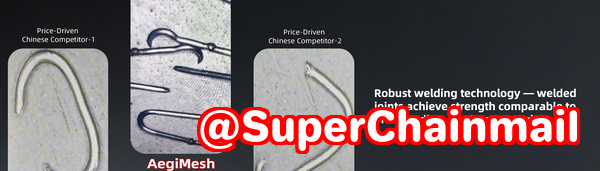
The rings in your chainmail should ideally be welded. This is a crucial step in ensuring the chainmail’s integrity. Open rings are prone to separating over time, especially under pressure, which can lead to safety risks.
Here’s how you can tell the difference:
-
Welded Rings: You’ll see a visible seam where the ends of the ring are fused together, creating a solid loop. These are much stronger and resistant to pulling apart.
-
Open Rings: These rings have ends that aren’t fused. While they may look fine initially, they’re weaker and may come apart with force or over time.
3. Measure Wire Thickness and Ring Diameter
Both wire thickness and ring diameter play significant roles in the strength of your chainmail.
-
Wire Thickness: Thicker wire is generally stronger and more durable. For chainmail used in industrial or protective applications, aim for thicker wires (around 16 gauge or lower).
-
Ring Diameter: The inner diameter of the rings should be large enough to provide a solid weave, but not too large that it compromises the density and strength of the overall pattern. A common diameter for robust chainmail is around 3/8 inches.
4. Evaluate the Weave Pattern: European 4-in-1 Weave for Durability
The weave pattern of the chainmail directly impacts its strength. The European 4-in-1 weave is one of the most reliable, known for its balance of flexibility and strength. It involves four rings passing through each ring, creating a strong, interlocked structure that can withstand significant stress.
You’ll want to look for the following signs:
-
Consistency: Make sure the weave is uniform throughout. Any irregularities or gaps in the weave could indicate a weak point.
-
Tightness: The rings should fit snugly together, without excessive space between them. A loose weave is a sign of poor craftsmanship.
5. Perform a Simple Pull Test
One of the best ways to check the durability of chainmail is through a pull test. This is especially useful for checking the integrity of welded rings.
-
Test: Grip a section of the chainmail and pull it firmly. If any rings open or break, you’re likely dealing with poor-quality chainmail. For protective wear, the weave should remain intact even under considerable force.
6. Look for Signs of Corrosion or Poor Craftsmanship
Chainmail can be subject to wear and tear over time, especially when exposed to moisture or harsh environments. Be on the lookout for signs of corrosion on the rings or welds. This could indicate low-quality steel or insufficient protective coatings.
Other signs of poor craftsmanship include:
-
Inconsistent ring size
-
Gaps in the weave
-
Weak or unfinished welds
Why These Inspections Matter
When you’re shopping for chainmail, taking the time to perform these inspections can save you from costly mistakes. For example:
-
Industrial Use: Low-quality chainmail might not hold up to the demands of the workplace, compromising safety in environments like manufacturing or food processing.
-
Cosplay or Decorative Use: Even for cosplay or historical replicas, poor-quality chainmail will not have the authentic look or feel, potentially leading to disappointment.
-
Durability: Properly inspecting your chainmail ensures it will last, giving you value for your money.
By following these simple steps, you can confidently choose high-quality chainmail products that meet your needs and ensure both safety and longevity.
Conclusion: Make Informed Chainmail Purchases
In summary, inspecting chainmail for strength and durability involves checking the material, inspecting the rings, evaluating the weave pattern, performing a pull test, and identifying any signs of poor craftsmanship. I highly recommend following these steps to ensure any chainmail purchase meets safety and durability standards.
Chainmail isn’t just a historical relic; it’s a protective tool that should be reliable and tough. Whether you’re shopping for industrial cut-resistant wear, cosplay, or historical accuracy, taking the time to evaluate chainmail quality is crucial.
Learn more about identifying high-quality chainmail products: Aegimesh Chainmail
Check out our detailed chainmail inspection guide today.
Frequently Asked Questions (FAQ)
-
How can I tell if a chainmail ring is welded or open?
-
A welded ring has a visible seam where the ends are fused together, while an open ring has ends that are not fused.
-
-
Which stainless steel grade is best for long-lasting chainmail?
-
316 stainless steel is the best choice for durability, corrosion resistance, and strength, especially for industrial or protective use.
-
-
How do I inspect the weave pattern for strength?
-
Look for a consistent, tight weave with no gaps or irregularities. The European 4-in-1 weave is ideal for strength.
-
-
What are the signs of low-quality or unsafe chainmail?
-
Signs include open rings, poor welds, inconsistent ring sizes, and weak or loose weaves. Corrosion or rust may also indicate poor craftsmanship.
-
-
Can decorative chainmail be used for protective purposes?
-
Decorative chainmail, often made with open rings and lighter materials, is not suitable for protection. It’s best suited for display or cosplay.
-
-
How do I choose the right chainmail for industrial vs cosplay use?
-
For industrial use, choose thicker wire, welded rings, and a tight weave pattern made from 316 stainless steel. For cosplay, lighter, decorative chainmail made from 304 stainless steel is acceptable.
-
Keywords
-
chainmail quality
-
welded rings
-
stainless steel chainmail
-
cut-resistant chainmail
-
chainmail inspection
-
European 4-in-1 weave
-
chainmail durability