Steel Metal Chainmail Production Process Step by Step
When you’re buying chainmail for any reasonwhether it’s for protection, display, or cosplayhow can you be sure you’re getting the best quality? Many buyers, collectors, and industrial users struggle with this. I’ve heard countless stories of people purchasing what they thought was premium chainmail, only to find it was poorly crafted or downright unsafe. But don’t worry, you don’t need to rely on guesswork anymore. In this guide, I’m going to walk you through how to identify high-quality chainmail, and how to avoid the pitfalls of low-quality or dangerous products.
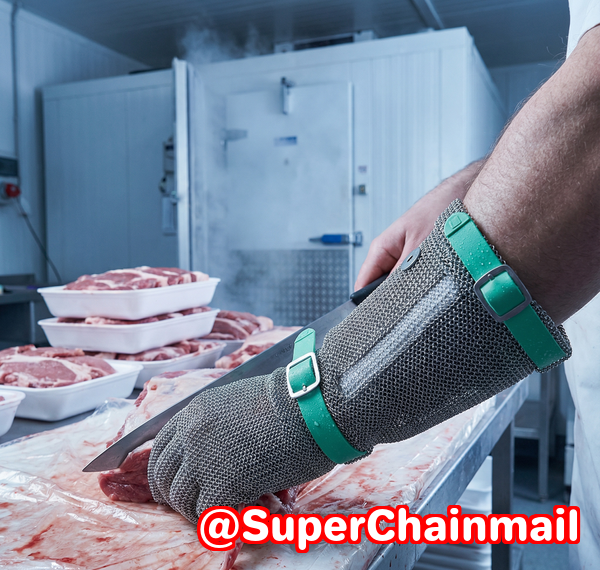
The Common Struggles When Buying Chainmail
Before we dive into the nuts and bolts of chainmail inspection, let’s talk about some common problems buyers face. I’m sure you can relate to at least one of these:
1. Confusing Welded Rings with Open Rings
Many buyers assume that all rings in chainmail are welded. Unfortunately, that’s not always the case. Open rings (those not welded shut) can result in weak spots, meaning your chainmail might fall apart under stress. For instance, a common mistake people make when buying chainmail for industrial use is assuming that the rings are welded. A few hours into working with them, they notice the rings coming apart. That can be dangerousespecially when you’re using chainmail for cut protection or handling food.
2. Not Understanding Stainless Steel Grades
If you’re buying chainmail for industrial use or even cosplay, you need to know your stainless steel. Grades like 304 and 316 are often mentioned, but do you know what the difference is and why it matters? Grade 304 is affordable but lacks some of the corrosion resistance of 316, which is far superior for harsh environments like food handling or outdoor use. Not understanding this can lead to corrosion or rust that ruins your chainmail prematurely.
3. Weave Patterns That Aren’t Strong Enough
If you’re getting chainmail for protectionwhether for your own safety or as part of industrial workthen strength is your priority. Some chainmail may look good, but when it comes down to durability, the wrong weave pattern can leave you exposed to injury. For example, European 4-in-1 weave is a widely recognized pattern for strength, but not all manufacturers use it consistently.
How to Inspect and Verify Chainmail Quality
Now that you understand the issues, let’s get into the solution. Here are some key things to inspect when evaluating the quality of chainmail:
1. Check the Material: 304 vs 316 Stainless Steel
One of the easiest ways to gauge chainmail quality is by inspecting the material used. Stainless steel is a popular choice because it’s durable and resistant to corrosion. But not all stainless steel is created equal. For long-lasting, durable chainmail, 316 stainless steel is the best option, especially for industrial and food processing environments. 304 stainless steel is a cheaper alternative, but it’s more prone to rust over time, especially in wet or humid environments.
Quick Tip:
-
304 steel is fine for decorative or cosplay chainmail.
-
316 steel is essential for protective or industrial-grade chainmail.
2. Inspect the Rings: Are They Welded or Open?
When looking at chainmail, the first thing you should check is whether the rings are welded shut. Welded rings are much stronger than open rings, where the ends are simply twisted together. Open rings can come undone under stress, leaving you exposed to injury or ruining your chainmail.
How to Spot a Welded Ring:
-
Run your fingers along the edges of the rings. If the ends feel smooth and continuous, it’s likely a welded ring.
-
If you feel a slight ridge or bump, then it’s an open ring.
3. Examine the Wire Thickness and Inner Diameter
Wire thickness and the inner diameter of the rings are crucial for chainmail’s strength and flexibility. If the rings are too thin or the inner diameter is too large, the chainmail will not hold up under stress, especially in industrial environments.
What to Look For:
-
Thicker wires are more durable and offer better protection, especially in environments with high-risk cuts or abrasions.
-
The inner diameter should be proportionate to the wire thickness; a general rule is that the diameter should be about three times the thickness of the wire.
4. Assess the Weave Pattern
The weave pattern determines how the chainmail holds up under pressure. The European 4-in-1 weave is one of the most common and reliable patterns for strength. This means each ring connects to four others in a specific way that creates a strong, interlocking structure. Weave patterns can vary, but be sure that whatever you choose is appropriate for the intended use.
How to Inspect the Weave:
-
Look at the overall structure. A well-done 4-in-1 weave should look even and symmetrical.
-
Check if any rings are misaligned or don’t form a solid connection.
Why Proper Chainmail Inspection Matters
Now, let’s talk about why it’s so important to properly inspect your chainmail before purchasing. When you follow these steps, you’ll be able to:
1. Avoid Unsafe Chainmail for Industrial or Food-Processing Use:
Chainmail used for industrial work or food processing must meet strict standards for safety and durability. Poor craftsmanship or low-quality materials could result in workplace injuries or compromised food hygiene.
2. Ensure Your Cosplay Chainmail Holds Up:
If you’re using chainmail for cosplay, durability is still important, especially if you plan on wearing it repeatedly. Inspecting the quality ensures that you won’t be dealing with broken rings or a collapsed weave halfway through the event.
3. Save Money:
By learning to spot low-quality chainmail, you avoid wasting money on products that won’t last. The last thing you want is to buy a product only to have it fail within weeks.
How to Perform a Simple Pull Test
One of the easiest tests to check chainmail durability is the pull test. Here’s how to do it:
-
Take a small section of chainmail and pull on it gently. You should feel some resistance, but not a lot of give.
-
If rings start to come loose or the weave starts to stretch, you’re likely dealing with low-quality chainmail.
-
For extra durability, give a quick tug on the rings. This should not cause any immediate breakage or unraveling.
Conclusion: Make Informed Chainmail Purchases
When you’re shopping for chainmail, whether for protection, cosplay, or decoration, don’t settle for subpar quality. By checking for welded rings, choosing the right stainless steel grade, inspecting wire thickness and weave patterns, you can confidently ensure you’re buying something durable and safe.
I highly recommend following these inspection steps to ensure any chainmail purchase meets safety and durability standards.
Ready to dive deeper into chainmail inspection? Learn more about identifying high-quality chainmail products here or check out our detailed chainmail inspection guide today.
FAQ
1. How can I tell if a chainmail ring is welded or open?
Check for smoothness on the edges of the rings. Welded rings should feel continuous without any noticeable seams, while open rings have visible gaps where the ends meet.
2. Which stainless steel grade is best for long-lasting chainmail?
For durable, long-lasting chainmail, go with 316 stainless steel, especially for industrial or food processing use. 304 stainless steel is better for decorative or cosplay uses.
3. How do I inspect the weave pattern for strength?
Look for symmetry and consistency in the weave. A strong pattern, like European 4-in-1, should have evenly spaced rings that interlock securely.
4. What are the signs of low-quality or unsafe chainmail?
Signs include poor welding, thin wire, inconsistent weaves, or signs of corrosion. Low-quality chainmail may also feel flimsy or break under pressure.
5. Can decorative chainmail be used for protective purposes?
Not all decorative chainmail is suitable for protection. It might not have the necessary strength or durability for industrial or cut-resistant uses.
6. How do I choose the right chainmail for industrial vs cosplay use?
For industrial use, opt for chainmail made of 316 stainless steel with a strong, durable weave pattern. For cosplay, lighter, 304 stainless steel with a decorative weave may suffice.
Tags/Keywords: chainmail quality, welded rings, stainless steel chainmail, cut-resistant chainmail, chainmail inspection, European 4-in-1 weave, chainmail durability