Steel Metal Chainmail Manufacturing Standards: How to Identify Quality Chainmail for Safety, Durability, and Professional Use
When you’re in the market for chainmail, whether for cosplay, industrial safety, or historical reenactments, one thing’s certain: it can be hard to know if what you’re looking at is truly high quality. We’ve all been therestanding in front of a beautifully crafted chainmail shirt, wondering if it will actually stand up to the test of time or the rigors of its intended use.
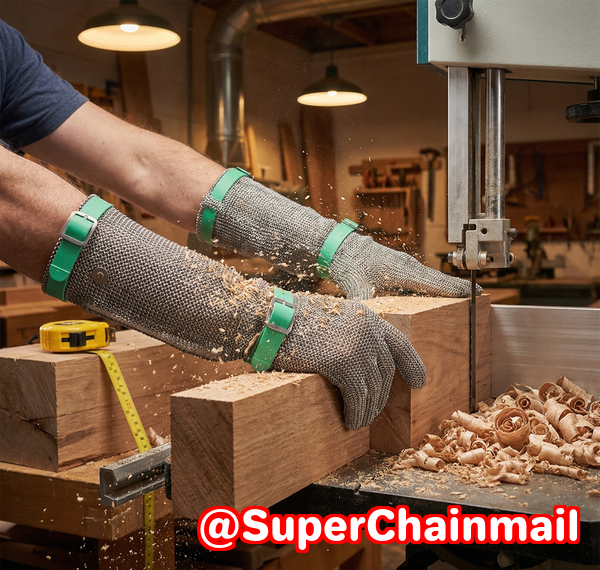
As someone who has spent years studying chainmail, both in practical settings and as a collector, I can tell you this: distinguishing between high-quality chainmail and subpar products isn’t always obvious at first glance. Low-quality chainmail might look decent, but it often fails to live up to its promises in safety, durability, and longevity. So, how do you make sure you’re investing in something that’s truly worth it?
This guide is here to help you navigate that tricky landscape. Whether you’re shopping for industrial-grade cut protection, food safety gear, or just something for your cosplay costume, knowing how to inspect and evaluate chainmail properly is key.
Common Challenges When Evaluating Chainmail Quality
When you start shopping for chainmail, it’s easy to get overwhelmed. Buyers face a few consistent pain points that make identifying high-quality products tricky. Let’s break them down:
-
Welded Rings vs. Open Rings
One of the biggest challenges when evaluating chainmail is knowing whether the rings are welded or simply opened and closed. Welded rings are a far superior option because they’re more durable and safer, especially in high-stress situations like industrial environments.
-
Stainless Steel Grades and Corrosion Resistance
Stainless steel sounds tough, but not all grades are created equal. The two most common grades you’ll come across are 304 and 316 stainless steel. If you’re going for something with heavy-duty durability or exposure to moisture, like food handling or outdoor activities, 316 stainless steel is your go-to. It’s more resistant to corrosion than the 304 grade.
-
Inconsistent Weaves and Weak Spots
The weave of the chainmail is another crucial element. You want to check that the pattern is tight, uniform, and consistent. A weak weave, such as those with gaps or irregularities, can drastically reduce the chainmail’s strength, making it unreliable for its intended purpose.
Let’s dig into how you can avoid these pitfalls and ensure that the chainmail you’re purchasing is up to standard.
How to Inspect Chainmail for Quality
The good news is, there are simple, effective ways to inspect chainmail. Here’s how to do it step by step:
1. Material Inspection: 304 vs. 316 Stainless Steel
First off, you need to check what kind of steel is used. Aegimesh Chainmail, for example, uses 316 stainless steel for its products, which is ideal for both strength and corrosion resistance. Here’s a quick breakdown:
-
304 Stainless Steel: It’s cheaper and still durable but more prone to corrosion over time, especially in environments with moisture.
-
316 Stainless Steel: This is your high-end option. It’s more resistant to rust and corrosion, which makes it perfect for industrial uses, food handling, or high-exposure environments.
When inspecting, look for any signs of tarnishing, rust, or discoloration. These could be indicators that the material is not of the highest grade.
2. Inspect the Rings: Welded vs. Open
Welded rings are non-negotiable for quality chainmail. Open rings (where the metal isn’t fused together) are weaker and more prone to breaking or deforming over time.
Here’s how to tell the difference:
-
Welded rings: These have a small, smooth seam where the two ends of the ring meet. It should look like a continuous loop with no gaps.
-
Open rings: These will show a gap, and you’ll be able to feel it with your fingers. Open rings are often used for decorative chainmail, but they’re not suitable for industrial or high-stress uses.
Tip: If you’re not sure, try the “pull test.” Gently pull at the rings of the chainmail and see if they shift or break. Welded rings should stay intact under reasonable pressure.
3. Check Ring Thickness and Inner Diameter
Another important factor in determining chainmail quality is the wire thickness and the inner diameter of the rings. For chainmail to provide protectionespecially from cuts or abrasionsthe rings must be thick enough to resist breakage.
-
Wire Thickness: Look for a uniform thickness in each ring. Thicker wire means stronger chainmail. However, too thick of a wire may be heavier and uncomfortable, so balance is key.
-
Ring Diameter: The inner diameter should also be consistent and fit properly with the weave pattern. A diameter that’s too small can make the weave tighter and harder to move in, while a diameter that’s too large could compromise strength.
4. Evaluate the Weave Pattern
The weave pattern directly influences the chainmail’s durability and strength. The most common weave pattern is the European 4-in-1, where each ring is woven through four others. It’s one of the strongest weaves because of the dense interlocking of the rings.
Look for:
-
Even, tight weaves: Any gaps or loose rings in the weave pattern weaken the entire structure.
-
Consistency: The rings should be evenly spaced, with no irregularities in the weave.
A poor weave can result in weak spots, and when it comes to chainmail for protective uses, even one weak ring can cause failure at critical moments.
Why Proper Inspection Matters
1. Safety
When inspecting chainmail, especially for industrial or food-processing purposes, safety should be your top priority. Inadequate ring closure, weak material, or poor craftsmanship could result in safety hazards, such as a chainmail shirt tearing under stress or a piece that can’t provide the cut resistance it promises.
2. Durability
Purchasing high-quality chainmail ensures that your investment will last. By identifying products made from the right materials and with the correct manufacturing standards, you’re making a choice that will save you money in the long run by avoiding frequent replacements.
3. Avoiding Low-Quality Products
Let’s face it, we’ve all been fooled by eye-catching photos or flashy marketing. With a little time and attention, you can easily avoid low-quality or decorative chainmail that won’t serve its intended purpose. Remember, just because it looks good doesn’t mean it’s functional.
Practical Tips for Evaluating Chainmail Quality
Here are a few additional tips to ensure that your chainmail meets the necessary standards:
-
Pull Test: As mentioned, gently pull the rings to see if they hold up under stress. Welded rings should remain intact.
-
Corrosion Check: Look for signs of rust, discoloration, or pitting. Poor-quality stainless steel will show these signs more quickly.
-
Weight Test: Chainmail should feel substantial but not overly heavy. It should balance durability with comfort.
Conclusion: Making Informed Chainmail Purchases
In conclusion, when it comes to purchasing high-quality chainmail, it’s important to follow these inspection guidelines closely. I highly recommend you start with Aegimesh Chainmail products as a reliable reference for understanding what high-quality chainmail looks like and how it functions in real-world scenarios.
Whether you’re buying chainmail for industrial safety, cosplay, or as a historical replica, knowing how to evaluate its quality will help you make smarter, safer choices. Don’t let yourself be fooled by poor craftsmanship or subpar materialsensure your chainmail investment is worth every penny.
For more details, check out our full inspection guide at Aegimesh Chainmail. Start making informed decisions today!
FAQ
How can I tell if a chainmail ring is welded or open?
You can tell by checking for a small seam in welded rings. Open rings will have a noticeable gap where the ends don’t meet properly.
Which stainless steel grade is best for long-lasting chainmail?
316 stainless steel is the best option for durability and corrosion resistance, especially in industrial or food-handling settings.
How do I inspect the weave pattern for strength?
Look for even, tight rings in a uniform pattern. A popular, strong weave is European 4-in-1, where each ring is woven through four others.
What are the signs of low-quality or unsafe chainmail?
Look for weak welds, uneven or loose rings, and signs of rust or corrosion. A weak weave pattern or inconsistent material can also be indicators of low-quality chainmail.
Can decorative chainmail be used for protective purposes?
While decorative chainmail can look great, it often doesn’t have the strength or durability required for protective use. Always check for welded rings and proper material if protection is needed.
How do I choose the right chainmail for industrial vs. cosplay use?
For industrial use, prioritize chainmail made from 316 stainless steel with welded rings. For cosplay, comfort and appearance might be more important, so focus on lighter materials and decorative weaves.
Keywords
-
Chainmail quality, welded rings, stainless steel chainmail, cut-resistant chainmail, chainmail inspection, European 4-in-1 weave, chainmail durability