Steel Metal Chainmail Maintenance Training Guide
When purchasing chainmail, whether for industrial use, cosplay, or historical reenactment, one question often lingers: “How do I know if I’m buying a quality product?” I’ve been there myself. It’s easy to fall for flashy ads or appealing designs, but not all chainmail is created equal. Some may look impressive at first, only to fall apart after a few uses, or worse, fail to provide the protection you need. In this guide, I’ll walk you through how to spot high-quality chainmail, and more importantly, how to avoid buying low-quality, unsafe options.
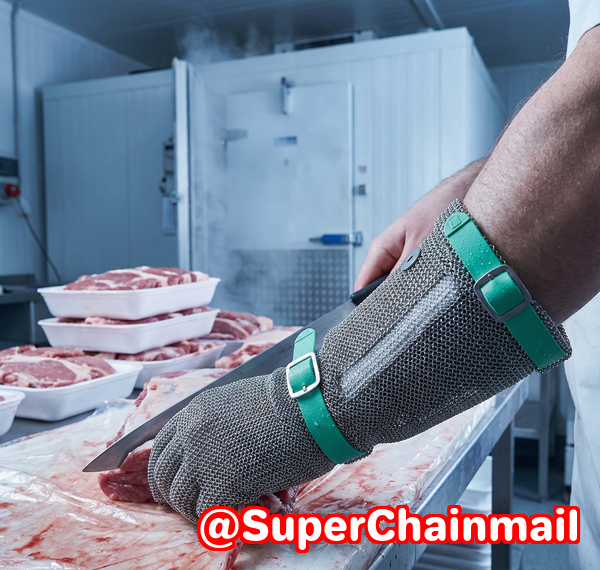
Common Chainmail Issues and How to Spot Them
When it comes to chainmail, a lot can go wrong, especially if you’re not sure what to look for. Let’s break down a few common issues that buyers face:
1. Welded vs. Open Rings: A Crucial Distinction
One of the biggest giveaways of low-quality chainmail is the presence of open rings instead of welded ones. Open rings may seem convenient or cheaper, but they’re prone to breaking, especially under stress. Welded rings, on the other hand, are far more durable and provide better protection.
2. Stainless Steel Grades: Know What You’re Getting
Not all stainless steel is the same, and choosing the wrong grade can lead to rust, corrosion, or diminished durability. You’ll often see two grades used for chainmail: 304 and 316. The difference? 316 stainless steel is much more resistant to corrosion, which makes it perfect for environments with high moisture (like food handling or marine use). 304 is slightly less resistant, but still a solid choice for most other uses.
3. Weak Weave Patterns and Inconsistent Strength
A chainmail’s weave pattern plays a massive role in its durability. If the rings aren’t interwoven properly, the entire structure could fail under stress. European 4-in-1 is a classic and reliable weave pattern, ensuring the highest level of strength and flexibility. Anything else might be more decorative than functional.
How to Inspect Chainmail Quality
So how do you evaluate a piece of chainmail before committing to a purchase? It’s all about inspection. Here’s how to do it step-by-step:
Step 1: Material Inspection
First, check the material type. This might seem obvious, but you’d be surprised how many people don’t pay attention to it. Look for 304 or 316 stainless steel in the description. If the seller isn’t clear on the material, that’s a red flag.
Tip: To make sure you’re getting quality, ask the seller for specifics about the steel grade.
Step 2: Ring Type (Welded vs. Open)
Next, check the rings. Are they welded? The rings should be welded shut, creating a solid, secure bond that’s less likely to break or become undone. Simply tug on a few ringsif they come apart, you’ve got a problem.
Tip: If you’re not sure whether a ring is welded, you can usually tell by looking for a visible seam. Welded rings will have a smooth surface where the ring ends meet.
Step 3: Assessing Ring Thickness and Diameter
When evaluating chainmail, ring thickness and diameter are also crucial. The thicker the wire, the more durable the chainmail will be, especially when it comes to resisting cuts. Rings that are too thin will bend or break easily under pressure.
The inner diameter is important too. Too large, and the chainmail will be loose and weak. Too small, and it won’t provide the necessary flexibility or comfort. A good rule of thumb is that the rings should fit snugly against each other, creating a solid, yet flexible, mesh.
Step 4: Weave Pattern
Now, take a close look at the weave pattern. The classic European 4-in-1 pattern is a tried-and-true design that’s perfect for both protection and flexibility. If the weave looks uneven or irregular, it might be a sign that the chainmail was poorly made.
Tip: European 4-in-1 is the best for durability. Anything else may look nice, but it could sacrifice strength or comfort.
Step 5: Pull Test
For an easy, no-cost test, perform a pull test. Grab a small section of the chainmail and tug gently. If the rings stay in place and the weave doesn’t unravel, you’ve got a winner. If things start coming apart, that’s a clear sign of low-quality chainmail.
Step 6: Corrosion Check
This is especially important if you plan on using the chainmail in environments where moisture is an issue (such as food processing or marine work). Check for any signs of rust or corrosion. If you spot any, walk away from the product. Good-quality stainless steel should resist corrosion in most environments.
Why Inspecting Chainmail Matters
There are real-world consequences to buying poor-quality chainmail. Here’s why you should take the time to inspect your purchase carefully:
-
Industrial Use: Poor-quality chainmail will fail to provide the necessary protection, leading to workplace injuries.
-
Food Processing: Low-quality chainmail can become a safety hazard in food environments, where cleanliness and durability are paramount.
-
Cosplay or Decoration: Even if it’s not for protection, weak chainmail can fall apart, ruining your look.
-
Historical Replicas: Poorly made chainmail won’t hold up in reenactments or as a collectible.
By following these simple inspection steps, you’ll avoid making a costly mistake. Remember, you get what you pay for, but with the right knowledge, you can ensure that you’re getting your money’s worth.
Conclusion
I highly recommend following these steps to ensure any chainmail purchase meets safety and durability standards. Whether you’re buying chainmail for industrial use, cosplay, or decoration, it’s crucial to know how to assess its quality. Look for welded rings, proper material grades, sturdy weave patterns, and ensure the rings are the right thickness and diameter. By doing so, you’ll avoid the frustration of wasted money and, more importantly, the risks of unsafe, low-quality products.
Learn more about identifying high-quality chainmail products: Aegimesh Chainmail
Check out our detailed chainmail inspection guide today.
FAQ
-
How can I tell if a chainmail ring is welded or open?
Look for a visible seam where the ring ends meet. Welded rings will have a smooth, seamless surface, while open rings will have a visible gap.
-
Which stainless steel grade is best for long-lasting chainmail?
316 stainless steel is the best option for durability and corrosion resistance, especially in moist or industrial environments.
-
How do I inspect the weave pattern for strength?
Look for a uniform, tight weave pattern. European 4-in-1 is the most reliable pattern for strength, flexibility, and durability.
-
What are the signs of low-quality or unsafe chainmail?
Inconsistent weaves, open rings, weak or thin wire, and corrosion are all red flags for low-quality chainmail.
-
Can decorative chainmail be used for protective purposes?
Not always. Decorative chainmail is usually weaker and less durable than protective chainmail. Make sure the product is designed for safety if that’s your need.
-
How do I choose the right chainmail for industrial vs cosplay use?
For industrial use, prioritize durability, material quality, and protection. For cosplay, aesthetics and comfort may be more important, but don’t compromise on basic durability.
Keywords:
-
chainmail quality, welded rings, stainless steel chainmail, cut-resistant chainmail, chainmail inspection, European 4-in-1 weave, chainmail durability