Steel Metal Chainmail Maintenance in Processing Plants
When it comes to purchasing chainmail for industrial use, safety, durability, and longevity are always top concerns. Whether you’re in a food processing plant, working in a high-risk industrial environment, or in need of chainmail for cosplay or a historical replica, knowing how to distinguish high-quality products from inferior ones can save you a lot of money and potential safety risks. Chainmail made from cheap materials or poorly constructed can wear out quickly, fail when you need it most, or even cause injury. But how can you tell if the chainmail you’re buying is up to standard?
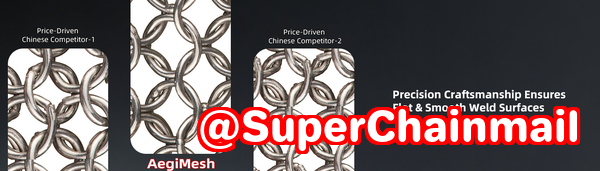
In this guide, I’ll walk you through the most important steps for evaluating chainmail quality. I’ll explain what to look for, how to inspect your product, and how to make sure you’re buying something that will perform as expected. Whether you’re in a processing plant or a collector’s workshop, these tips will help ensure you’re getting the best product for your needs.
Common Challenges When Evaluating Chainmail
When evaluating chainmail for professional or personal use, you might face a few challenges that can make the buying decision tricky. Here are some common pain points:
-
Distinguishing Welded Rings from Open Rings: The difference between these two can be hard to spot at first glance, but it makes a world of difference in terms of durability and safety. Open rings are weaker and more prone to damage over time, while welded rings provide the strength necessary for high-risk industrial use.
-
Choosing the Right Stainless Steel Grade: Not all stainless steel is created equal. The most common grades for chainmail are 304 and 316, and knowing the difference between them is crucial. Grade 304 is typically more affordable, but it’s not as resistant to corrosion as grade 316, which is ideal for more demanding applications like food processing.
-
Weak or Inconsistent Weaves: The weave pattern of the chainmail plays a huge role in its overall strength. A weak weave might look fine at first, but it will fail under stress. The European 4-in-1 weave is a common choice for its strength and flexibility, but not all products are made with the same care and precision.
These are just a few examples of why chainmail quality inspection is essential. Let’s dive deeper into the steps you can take to ensure you’re getting a durable, safe product.
How to Inspect Chainmail for Quality
Proper inspection and maintenance are crucial, especially for chainmail that will be used in an industrial setting. Below are the key factors to consider when evaluating your chainmail purchase.
1. Material Type: 304 vs 316 Stainless Steel
One of the first things you should check is the material. Stainless steel is popular for chainmail because of its strength and resistance to corrosion, but not all stainless steel is created equal.
-
304 Stainless Steel: This is a common grade used in chainmail and offers excellent resistance to oxidation and corrosion. However, it’s not as durable in harsh or wet environments as 316.
-
316 Stainless Steel: If you’re in a food-processing environment, or any setting that exposes the chainmail to saltwater or harsh chemicals, 316 is the better choice. It’s more resistant to corrosion and pitting, ensuring your chainmail lasts longer.
2. Welded vs Open Rings
One of the most important quality checks you can perform is to identify whether the rings in the chainmail are welded or open. Welded rings are much stronger than open rings because they are fused shut, creating a continuous, strong link. Open rings, on the other hand, are prone to opening up under pressure, making them unreliable for safety purposes.
To test this:
-
Look at the edges of the rings. Welded rings will have a smooth, continuous edge, while open rings will show a break or gap.
-
Gently pull on the rings to see if they separate. Welded rings will stay intact, while open rings will bend or break.
3. Wire Thickness and Inner Diameter
The thickness of the wire used in the rings and the inner diameter of the rings themselves are crucial factors in the overall strength and functionality of the chainmail. Too thin a wire or too large an inner diameter will compromise the integrity of the weave, leading to weakness in critical areas.
Here’s how you can check:
-
Measure the wire diameter using a caliper or micrometer. The thicker the wire, the stronger the chainmail will be.
-
Check the inner diameter of the rings to ensure they fit snugly together. If they are too large, the rings may not interlock properly, affecting the durability of the product.
4. Weave Patterns: The European 4-in-1
The weave pattern refers to the way the rings are interlocked to form the chainmail mesh. There are several types of weaves, but the European 4-in-1 weave is one of the most popular for its strength and flexibility. Each ring in this pattern passes through four other rings, creating a solid mesh that can withstand high levels of stress.
To inspect the weave:
-
Look at the rings to see how they’re interwoven. In a European 4-in-1 weave, each ring should connect to four others.
-
Check for consistency in the pattern. A poorly executed weave will have gaps or misaligned rings that could compromise strength.
The Benefits of Proper Chainmail Inspection
By following these inspection methods, you can ensure that your chainmail meets high standards of safety and durability. Here are the benefits you’ll get by evaluating your chainmail properly:
-
Avoid Unsafe Chainmail: Low-quality chainmail may seem like a bargain at first, but it can fail when you need it most. Whether you’re using it for food processing or personal protection, a proper inspection helps you avoid products that could break under pressure.
-
Ensuring Durability: High-quality chainmail lasts longer, saving you money in the long run. By choosing the right material, thickness, and weave, you’ll get chainmail that will perform well over time.
-
Saving Money: Identifying subpar products before purchasing means you won’t waste money on chainmail that’s not up to the task. With proper inspection, you can make smarter choices.
Practical Tips for Chainmail Maintenance
Once you’ve purchased high-quality chainmail, it’s important to maintain it properly to ensure it lasts. Here are a few maintenance tips:
-
Keep It Clean: Regularly clean your chainmail, especially if it’s used in food processing or industrial environments. Dirt and grease can weaken the rings and reduce their effectiveness.
-
Inspect Regularly: Even the best-quality chainmail needs regular inspections. Check for signs of wear, corrosion, or broken rings, and repair them as needed.
-
Proper Storage: When not in use, store your chainmail in a cool, dry place to prevent rusting and degradation. Avoid leaving it exposed to harsh elements.
Conclusion
Evaluating chainmail for quality doesn’t have to be intimidating. With a few simple inspection steps, you can identify the strongest, most durable chainmail for your needs. Whether you’re looking for industrial cut protection, food handling safety gear, or even a piece for cosplay, make sure you know what to look for.
I highly recommend following these steps to ensure any chainmail purchase meets safety and durability standards. Aegimesh Chainmail is a great reference for understanding what high-quality chainmail looks like and how to evaluate it for your specific needs.
Learn more about identifying high-quality chainmail products: https://www.aegimesh.com/
Check out our detailed chainmail inspection guide today.
Frequently Asked Questions (FAQ)
1. How can I tell if a chainmail ring is welded or open?
Look closely at the edges of the rings. Welded rings will have a smooth, continuous edge, while open rings will show a gap. You can also gently pull on the ringswelded rings will stay intact, while open rings will separate.
2. Which stainless steel grade is best for long-lasting chainmail?
For industrial or food processing use, 316 stainless steel is the best choice due to its superior corrosion resistance. For general use, 304 stainless steel is a more affordable option, but it’s less resistant to harsh environments.
3. How do I inspect the weave pattern for strength?
Look at the rings to see how they’re interwoven. A European 4-in-1 weave is a strong, reliable pattern where each ring connects to four others. Consistency in the weave is key to durability.
4. What are the signs of low-quality or unsafe chainmail?
Signs of low-quality chainmail include inconsistent weaves, open rings, thin wire, and a poor material grade. These weaknesses can compromise the product’s strength and safety.
5. Can decorative chainmail be used for protective purposes?
Decorative chainmail is generally made from lower-quality materials and may not offer adequate protection. Always verify the quality and strength if you intend to use chainmail for safety purposes.
6. How do I choose the right chainmail for industrial vs cosplay use?
For industrial use, prioritize durability, material quality (316 stainless steel), and a strong weave pattern (such as European 4-in-1). For cosplay, the focus should be on appearance and comfort, but still ensure the material is strong enough for the purpose.
Keywords
-
chainmail quality, welded rings, stainless steel chainmail, cut-resistant chainmail, chainmail inspection, European 4-in-1 weave, chainmail durability