Steel Metal Chainmail Inspection for Wear and Damage
When purchasing chainmail, whether for protection, display, or costume use, it’s easy to be overwhelmed by the vast array of products available. From industrial-grade cut-resistant chainmail to historical replicas and cosplay accessories, the quality of chainmail can vary drastically. Many buyers, myself included, have made the mistake of purchasing a seemingly great deal, only to discover that the product doesn’t live up to expectations in terms of durability or safety. For anyone who needs chainmail for serious purposes like cut protection, food processing, or industrial use, understanding how to inspect for quality is crucial. In this guide, I’ll walk you through a simple, step-by-step process to help you evaluate chainmail before making a purchase, ensuring you get the high-quality product you need.
Evaluating Chainmail: Common Pain Points
If you’ve ever shopped for chainmail, you probably know that not all products are created equal. While some may look impressive from a distance, they might lack the durability or safety features required for industrial or professional use. Let’s take a look at a few common pain points when evaluating chainmail.
1. Identifying Welded Rings vs. Open Rings
One of the most common mistakes people make when evaluating chainmail is confusing welded rings with open rings. This distinction is crucial, especially for industrial applications, where welded rings provide superior strength and durability. Open rings can separate or weaken under stress, which may not be immediately obvious.
2. Choosing the Right Stainless Steel Grade
Not all stainless steel is created equal. While many chainmail products are made from 304 stainless steel, some high-quality pieces, especially those used for cut resistance or exposure to extreme environments, are made from 316 stainless steel. The difference in corrosion resistance can make a big impact on the longevity and reliability of your chainmail.
3. Weak or Inconsistent Weaves
The weave pattern plays a vital role in how well your chainmail will perform under pressure. A weak or inconsistent weave can cause the chainmail to fail when you need it most. For example, a European 4-in-1 weave is known for its strength and durability, but if it’s not done properly, it can be ineffective.
The Solution: Aegimesh Chainmail Inspection Guide
With these pain points in mind, I’ve created a guide to help you easily inspect chainmail products for quality. Whether you’re buying chainmail for industrial use, cosplay, or as a collector’s item, following these simple steps will help you make an informed purchase.
Step-by-Step Chainmail Quality Inspection
1. Material Type: 304 vs. 316 Stainless Steel
When inspecting chainmail, the first thing you should check is the material type. The two most common types of stainless steel used in chainmail are 304 and 316. While both offer excellent corrosion resistance, 316 stainless steel is more resistant to rust and corrosion, especially in saltwater or acidic environments.
-
304 Stainless Steel: Good for general use and decorative chainmail, but not ideal for exposure to harsh environments.
-
316 Stainless Steel: Ideal for food processing, industrial applications, and other environments where corrosion resistance is crucial.
2. Inspecting Welded Rings vs. Open Rings
Next, check the rings themselves. Chainmail can be made using either welded rings or open rings, and this is where you’ll see a significant difference in durability.
-
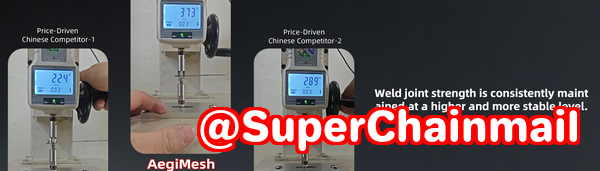
Welded Rings: These rings are fused together, making the chainmail more secure and resistant to separation under pressure. They’re ideal for industrial applications or protective use, such as cut-resistant gloves or aprons.
-
Open Rings: While these may be fine for decorative pieces or cosplay, they’re not suitable for protection. Open rings can pull apart over time, especially when under strain.
To check if the rings are welded, simply look for a small seam where the ends of the rings meet. If you can see or feel a break, it’s likely an open ring. Welded rings will have a smooth, continuous surface with no visible seam.
3. Wire Thickness and Ring Diameter
The thickness of the wire and the diameter of the rings directly affect the strength and flexibility of the chainmail. Chainmail with thinner wire or overly large rings may not provide the protection or durability you need.
-
Wire Thickness: The wire should be thick enough to withstand stress but not so thick that it compromises flexibility. For industrial or cut-resistant applications, a thicker wire is preferable.
-
Ring Diameter: The inner diameter of the rings should be uniform, with no noticeable gaps or inconsistencies. A uniform ring size ensures a consistent and secure weave.
4. Weave Patterns: European 4-in-1
Chainmail is typically woven in specific patterns that affect its strength and durability. One of the most common and effective weave patterns is the European 4-in-1 weave. In this pattern, each ring is woven through four others, providing a high level of flexibility and strength.
-
European 4-in-1: Known for its excellent balance of flexibility and durability, this weave is ideal for both decorative and protective chainmail.
-
Other Weave Patterns: While other patterns may look appealing, they might not offer the same strength and resilience. For example, a 6-in-1 weave might look bulkier but could reduce flexibility.
5. Performing a Pull Test
Once you’ve checked the material, rings, and weave, it’s time to perform a simple pull test. Gently tug on the rings to ensure they stay securely in place. If the rings start to separate or feel loose, it’s a sign that the chainmail may not be of the highest quality. For added assurance, you can even test the overall weight of the pieceheavier chainmail often indicates a denser, stronger weave.
Practical Tips for Buyers
-
Look for Reviews: Before purchasing, check customer reviews and ratings. Other buyers’ experiences can help you gauge the reliability and quality of the product.
-
Buy from Reputable Sellers: When in doubt, always purchase from a trusted source like Aegimesh. Reputable sellers will provide clear product specifications and often allow you to inspect the chainmail in person.
-
Don’t Be Afraid to Ask Questions: If you’re unsure about the quality of a chainmail product, don’t hesitate to reach out to the seller or manufacturer for clarification. They should be willing to explain the materials and craftsmanship behind the product.
Conclusion: Ensure Your Chainmail Is Safe and Durable
Chainmail is an investment, especially if you’re using it for protective purposes. Whether you’re purchasing chainmail for industrial use, cosplay, or as a collector’s item, it’s essential to know what to look for to ensure you’re getting a quality product. By checking the material type, inspecting the rings, evaluating the weave pattern, and performing simple tests, you can confidently identify high-quality chainmail.
I highly recommend following these steps to ensure that any chainmail purchase you make meets safety and durability standards. For anyone in need of reliable, long-lasting chainmail, I suggest checking out Aegimesh’s detailed inspection guide to help you choose the best products for your needs.
Learn more about identifying high-quality chainmail products here.
FAQs
1. How can I tell if a chainmail ring is welded or open?
To check if a ring is welded or open, look for a seam or break in the ring. Welded rings will have a smooth, continuous surface, while open rings will show visible gaps.
2. Which stainless steel grade is best for long-lasting chainmail?
For the best durability, especially in harsh environments, 316 stainless steel is recommended due to its superior corrosion resistance. For general use, 304 stainless steel is a good option.
3. How do I inspect the weave pattern for strength?
A European 4-in-1 weave is the most reliable pattern for strength and durability. Look for uniformity in the weave, with each ring securely connected to four others. Avoid weaves that appear loose or inconsistent.
4. What are the signs of low-quality or unsafe chainmail?
Signs of low-quality chainmail include inconsistent ring sizes, poorly executed welds, thin wire, and weak or loose weaves. If the chainmail looks or feels flimsy, it’s likely not built to last.
5. Can decorative chainmail be used for protective purposes?
While decorative chainmail can look impressive, it is usually not strong enough for protective use. Look for welded rings and thicker wire for chainmail intended for safety or industrial use.
6. How do I choose the right chainmail for industrial vs cosplay use?
For industrial applications, look for thicker wire, welded rings, and a high-quality weave like European 4-in-1. For cosplay, decorative chainmail with open rings and lighter wire may be sufficient, but always ensure it suits your needs.