Steel Metal Chainmail Durability Factors Explained
When you’re looking for chainmailwhether for industrial safety, cosplay, or as a historical collectibleone of the biggest challenges is distinguishing high-quality products from lower-grade imitations. You might find yourself asking, “How do I know if the chainmail I’m buying will hold up?” It’s a valid concern, and trust me, you’re not alone in feeling overwhelmed by the sheer number of options available. Many people, just like you, often struggle with understanding the key durability factors that can make or break the performance of chainmail.
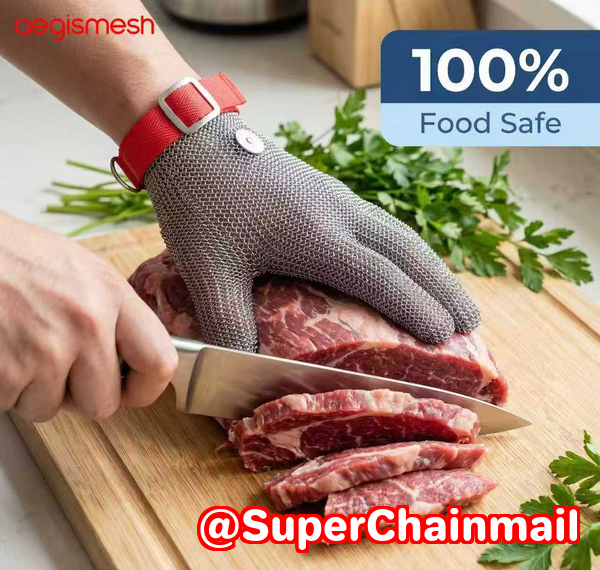
In this post, I’ll walk you through the essential durability factors to consider when evaluating steel chainmail, helping you to identify genuine, high-quality products and avoid costly mistakes. Whether you’re looking to protect yourself from cuts in an industrial setting, seeking a durable costume piece for cosplay, or adding a piece to your collection, this guide will provide you with practical tips on how to assess the quality of chainmail before making your purchase.
The Common Chainmail Pitfalls: What You Need to Know
It’s easy to be swayed by beautiful photos or seemingly great deals, but unfortunately, low-quality chainmail is out there. Below are the most common problems I see when buyers try to assess chainmail for safety and durability.
-
Welded Rings vs. Open Rings
One of the most significant issues buyers face is understanding the difference between welded rings and open rings. Open rings are more prone to separating over time, which can compromise the strength of the chainmail. They may look good at first but lack the durability needed for industrial or protective use. Welded rings, on the other hand, are much stronger and will hold up under stress. So, if you’re purchasing chainmail for protection (such as for food handling or industrial work), welded rings are non-negotiable.
-
Uncertainty Around Stainless Steel Grades
Stainless steel is the material of choice for high-quality chainmail, but not all stainless steel is created equal. There are different grades, such as 304 and 316, and the difference can greatly impact the longevity and corrosion resistance of the chainmail. While 304 is adequate for most applications, 316 stainless steel is more resistant to corrosion, making it ideal for environments exposed to moisture or harsh chemicals. Knowing which grade to choose is essential, especially if your chainmail will be exposed to these conditions.
-
Weak or Inconsistent Weaves
Weaving patterns, like the European 4-in-1, contribute a lot to the overall strength of chainmail. A poor-quality weave can make the chainmail fragile and prone to breaking under pressure. A strong, tight weave will distribute the force across the metal more evenly, giving you a chainmail that can take a hit and still remain intact. If you’re looking for something for protection, especially for industrial or food-processing uses, the weave pattern plays a significant role in how effective the chainmail will be.
How to Inspect and Verify the Quality of Chainmail
Now that we’ve covered some of the common pitfalls, let’s dive into how to ensure the chainmail you’re buying is up to the task.
1. Check the Material Type: 304 vs. 316 Stainless Steel
The first thing you need to check is the material. It’s important to know whether the chainmail is made of 304 stainless steel or 316 stainless steel. Here’s the breakdown:
-
304 Stainless Steel: This is a standard stainless steel used for many chainmail products. It’s good for general purposes and holds up well in dry conditions.
-
316 Stainless Steel: This is a superior grade of stainless steel, resistant to corrosion and ideal for outdoor or food processing environments.
If you need chainmail for high-humidity or corrosive environments, 316 stainless steel should be your go-to choice. You can usually tell which grade it is by asking the seller or inspecting the product for any markings. If you can’t tell, don’t hesitate to ask for confirmation.
2. Inspect the Ring Welds: Are They Welded or Open?
Now let’s talk about ring integrity. When inspecting chainmail, you need to ensure that each ring is welded. This means the two ends of the ring are fused together, creating a permanent bond that won’t come apart under pressure. Open rings, while often cheaper, can easily separate, leading to weakened chainmail.
A simple test: Gently tug at a few rings to see if they come apart. If they do, you’re dealing with open rings. Make sure you’re purchasing a product made with welded rings, especially if the chainmail is meant to provide protection.
3. Wire Thickness and Inner Diameter Matter
The thickness of the wire and the inner diameter of the rings are also essential factors when assessing chainmail quality. A thicker wire creates a stronger product, while a larger inner diameter might make the chainmail too loose, weakening its overall strength. Look for the following:
-
Wire thickness: The thicker the wire, the stronger the chainmail. This is especially true for industrial-grade chainmail or any protective gear.
-
Ring inner diameter: The inner diameter should be proportional to the wire thickness. A standard European 4-in-1 weave is a good benchmark for this.
If you’re unsure, it’s always a good idea to compare the product’s specs with those of industry standards. High-quality chainmail should feel solid and not flimsy or loose.
4. Evaluate the Weave Pattern
The weave pattern is where the magic happens when it comes to durability. For strength and flexibility, European 4-in-1 is one of the most reliable and widely used patterns. This means each ring passes through four others, forming a tight and consistent grid that can absorb impact and resist cuts.
Check the weave closely. It should be neat and uniform. If the rings seem misaligned or inconsistent, it’s a sign that the chainmail was poorly made and likely won’t provide the durability you need.
5. Perform a Simple Pull Test
If you’re physically present to inspect the chainmail, give it a gentle pull test. Grab a few rings and apply pressure. If the rings shift easily or come loose, it’s a red flag. High-quality chainmail should hold its shape even when pressure is applied. This is especially important for industrial or protective uses where you need the chainmail to withstand stress and wear.
6. Look for Signs of Corrosion or Poor Craftsmanship
Corrosion is another factor to consider, especially if the chainmail will be exposed to moisture or chemicals. Stainless steel is resistant to rust, but it’s not immune. Look for any visible signs of rust or discoloration, especially around the welds. These are clear indicators that the chainmail may not last long or provide proper protection.
Also, examine the overall craftsmanship. Any signs of jagged edges, uneven ring sizes, or poor weaving can significantly decrease the durability and effectiveness of the chainmail.
The Benefits of Proper Inspection
By taking the time to inspect the chainmail carefully, you’re ensuring that:
-
Safety: If you’re using it for industrial or food-handling purposes, properly inspected chainmail ensures it can withstand cuts and abrasions without failing.
-
Longevity: High-quality chainmail will last much longer than poor-quality products. Whether for cosplay, historical re-enactments, or personal protection, you’ll save money in the long run by investing in durable products.
-
Peace of Mind: Knowing that your chainmail has passed these simple inspection steps gives you confidence in its durability and reliability.
Conclusion: Make an Informed Choice
In summary, when purchasing chainmail, it’s essential to inspect the material type, welds, wire thickness, ring diameter, and weave patterns. By following these steps, you can ensure that the chainmail you’re buying is of the highest quality. I highly recommend using these tips to verify your chainmail purchase, whether it’s for industrial, cosplay, or decorative purposes.
Want to learn more about chainmail inspection? Visit our detailed chainmail inspection guide today to ensure your purchases are of the highest quality and durability.
FAQ
-
How can I tell if a chainmail ring is welded or open?
-
Gently tug on a few rings. If they come apart, they are open rings. Welded rings will not separate under normal pressure.
-
-
Which stainless steel grade is best for long-lasting chainmail?
-
316 stainless steel is more resistant to corrosion and is ideal for industrial or food-handling chainmail. 304 is sufficient for most other applications.
-
-
How do I inspect the weave pattern for strength?
-
A strong European 4-in-1 weave is tight, uniform, and consistent. Look for any misalignments or gaps that could reduce strength.
-
-
What are the signs of low-quality or unsafe chainmail?
-
Open rings, thin wire, uneven weave patterns, and visible corrosion are all signs of poor-quality chainmail.
-
-
Can decorative chainmail be used for protective purposes?
-
Decorative chainmail, often made with thinner wire or open rings, may look good but is not suitable for protective purposes. Always check for welded rings and thicker wire for safety.
-
-
How do I choose the right chainmail for industrial vs. cosplay use?
-
For industrial use, prioritize durability by choosing thicker wire, welded rings, and 316 stainless steel. For cosplay, the focus may be more on appearance, but ensure the weave and ring quality are still up to standard.
-
Tags or Keywords
-
Chainmail quality, welded rings, stainless steel chainmail, cut-resistant chainmail, chainmail inspection, European 4-in-1 weave,