Steel Metal Chainmail and Material Testing: Ensuring Quality and Durability
When it comes to buying chainmail for protection, cosplay, or even historical reenactment, one of the most common challenges buyers face is knowing how to identify high-quality pieces from the low-grade imitations. Whether you’re looking for industrial-strength cut-resistant chainmail or a display-worthy cosplay armor, understanding the materials and craftsmanship behind chainmail can save you time, money, and potential safety risks.
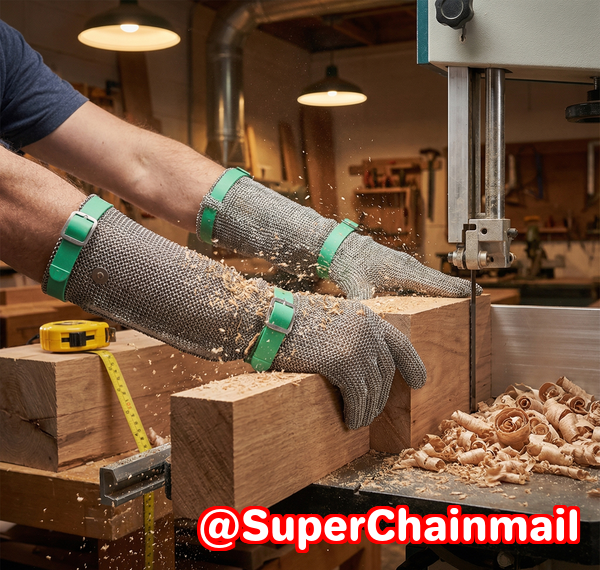
Imagine you’ve just ordered a set of protective gloves for your workers in a food processing plant, but when they arrive, the rings feel flimsy, and there’s a strange corrosion pattern on the surface. You know something’s not right, but you’re not sure what went wrong. This is a real concern for anyone buying chainmail for practical use. In this guide, I’ll walk you through how to evaluate chainmail quality to ensure your purchase is both durable and safe.
Pain Points in Evaluating Chainmail Quality
1. Identifying Welded Rings vs. Open Rings
One of the most common issues is distinguishing between welded rings and open rings. Welded rings are crucial for strength and durability, especially for chainmail that will see heavy use. Open rings, while cheaper, are not as strong and may fail over time, posing safety risks.
2. Uncertainty About Stainless Steel Grades
Stainless steel is the standard material for most high-quality chainmail, but not all stainless steel is created equal. Many buyers aren’t aware of the difference between the common 304 and the more corrosion-resistant 316 grades. Understanding this difference is vital for making a long-lasting purchase.
3. Weak Weave Patterns
Chainmail weave patterns like European 4-in-1 are standard for industrial and cosplay use. However, many low-quality products use irregular or poorly executed weaves, which compromise strength and flexibility. This weakens the overall product and makes it less durable.
These are just a few examples of the challenges you may face, but don’t worry! With a few simple inspection steps, you can easily evaluate chainmail quality and make an informed decision. Let’s dive into how you can do just that.
How to Inspect Chainmail Quality
1. Check the Material: Stainless Steel Grades 304 vs. 316
One of the first things you should verify is the grade of stainless steel used in the chainmail. There are a few reasons why this matters:
-
304 Stainless Steel: This is the most common grade used in chainmail. It offers good corrosion resistance but is less durable compared to 316.
-
316 Stainless Steel: This grade offers superior corrosion resistance, making it ideal for use in environments with high humidity, exposure to saltwater, or food processing applications. If you’re looking for something that will withstand tougher conditions, 316 is the better choice.
The difference in price between 304 and 316 is often minimal, so it’s worth opting for the better quality material for any project that requires longevity and performance. Look for product descriptions or ask the seller about the steel grade used. Don’t settle for vague answers!
2. Inspect Ring Welding and Thickness
Next, it’s important to check how the rings are welded. High-quality chainmail features rings that are fully welded, which means that the ends of each metal ring are fused together to create a permanent connection. Open rings, on the other hand, are just twisted and can be weaker and prone to unraveling.
How to inspect welding:
-
Visual Inspection: A high-quality chainmail product will have seamless rings with no visible gaps where the ring edges meet.
-
Pull Test: Grab a ring and gently tug it. A well-welded ring will hold firm without any separation or movement, while a poorly welded ring might bend or break under pressure.
The thickness of the wire used in the rings also plays a significant role in durability. Thicker wire increases the strength of the chainmail and improves its resistance to cuts and abrasions. If you’re unsure, ask for the gauge of the wire or visually inspect the ring for a solid feel.
3. Assess Weave Patterns for Strength
Weave patterns like European 4-in-1 are commonly used for industrial or cosplay chainmail because they offer a great balance between flexibility and strength. In this pattern, each ring is connected to four others, creating a robust but flexible mesh.
How to inspect the weave:
-
Look for symmetry and uniformity in the pattern. Irregularities can weaken the overall structure and make the chainmail prone to breakage.
-
Ensure that the rings are tightly woven. Loose rings or uneven gaps between them are a sign of poor craftsmanship.
When buying chainmail for industrial use, make sure the weave is dense enough to provide adequate protection. A loose weave will allow sharp objects to slip through, rendering the chainmail ineffective.
4. Look for Signs of Corrosion
Even stainless steel can corrode over time, especially if it’s exposed to moisture or chemicals. When inspecting chainmail, check for any signs of rust or discoloration. If you notice any signs of corrosion, it’s likely that the material used is not high-quality, or the product has been poorly maintained.
To ensure your chainmail stays in top shape:
-
Regularly clean and dry it after use.
-
Store it in a dry place, especially if you plan to store it for an extended period.
5. Test Durability and Flexibility
A quick way to test chainmail durability is through a simple pull test. Hold a section of the chainmail and gently pull. High-quality chainmail should stretch slightly but return to its original shape without any rings pulling apart. If the rings come loose or the chainmail starts to feel weak, it’s a sign that the craftsmanship is lacking.
The Benefits of Proper Chainmail Inspection
-
Avoid Safety Risks: Chainmail designed for protection (e.g., industrial cut-resistant gloves or food handling wear) needs to be durable. Poor-quality products could compromise safety.
-
Save Money: By identifying low-quality chainmail before you purchase, you can avoid buying products that will wear out quickly and require replacement.
-
Peace of Mind: Whether you’re a collector, cosplayer, or industrial user, inspecting the quality of chainmail ensures that you get exactly what you’re paying fordurability, strength, and longevity.
Conclusion: Make Informed Chainmail Purchases
As I’ve outlined, inspecting the quality of chainmail may seem like a lot of work, but it’s worth the effort. By following these simple stepschecking the material grade, inspecting the welding, testing the rings, and evaluating the weave patternsyou can easily differentiate between high-quality chainmail and unsafe, low-grade products.
I highly recommend following these steps to ensure any chainmail purchase meets safety and durability standards. Whether you’re looking for industrial protection or cosplay gear, it’s essential to buy from reputable sources and to check the product’s specifications carefully.
For more guidance, check out our detailed chainmail inspection guide today at Aegimesh. Ensure your next chainmail purchase is a sound investment in safety, durability, and performance.
Frequently Asked Questions
1. How can I tell if a chainmail ring is welded or open?
You can perform a simple pull test. A welded ring will not separate under tension, while an open ring will easily bend or break apart.
2. Which stainless steel grade is best for long-lasting chainmail?
316 stainless steel is the best option for long-lasting, corrosion-resistant chainmail. It’s ideal for industrial and food-processing uses. 304 stainless steel is a good alternative for less demanding applications.
3. How do I inspect the weave pattern for strength?
Look for a consistent, tight weave with evenly spaced rings. A loose or uneven weave will compromise the strength of the chainmail.
4. What are the signs of low-quality or unsafe chainmail?
Look for gaps between rings, poorly welded seams, thin wire, and any signs of rust or corrosion. These indicate poor craftsmanship or inferior materials.
5. Can decorative chainmail be used for protective purposes?
Decorative chainmail is often made with lighter materials and looser weaves, so it may not provide adequate protection. Always ensure the weave is tight and the rings are thick enough for protection.
6. How do I choose the right chainmail for industrial vs. cosplay use?
For industrial use, prioritize durability, cut-resistance, and a dense weave like European 4-in-1. For cosplay, focus on the aesthetic appearance and comfort, though durability still matters.
Keywords
-
Chainmail quality
-
Welded rings
-
Stainless steel chainmail
-
Cut-resistant chainmail
-
Chainmail inspection
-
European 4-in-1 weave
-
Chainmail durability