Steel Metal Chainmail and Heat Resistance: How to Choose the Best Quality for Safety and Durability
When it comes to chainmail, whether for protection, display, or cosplay, choosing high-quality products is crucial. But with so many options on the market, how do you know if what you’re buying is the real deal? Chainmail can vary widely in quality, and distinguishing between a sturdy, long-lasting piece and a cheap imitation isn’t always easy. In this post, I’ll walk you through how to evaluate steel metal chainmail, focusing on key aspects like heat resistance, strength, and durability. By the end, you’ll know how to spot the best options for your needs, ensuring you get a product that delivers both safety and style.
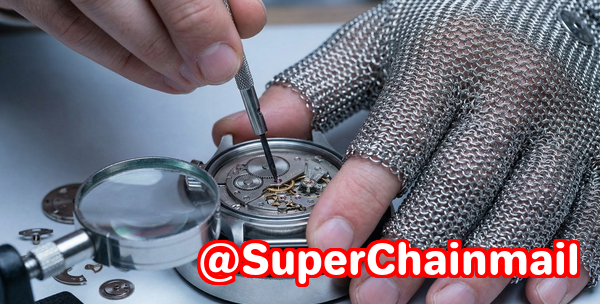
Why Chainmail Quality Matters
Chainmail isn’t just about aesthetics. Whether you’re using it for industrial protection, food handling, cosplay, or historical replicas, the quality of the material plays a direct role in its performance and safety. Poor-quality chainmail can be flimsy, prone to corrosion, or ineffective at offering the protection you need.
For industrial users, chainmail with weak rings or improper welding could result in serious accidents. On the other hand, collectors or cosplayers might end up with a display piece that doesn’t hold up as expected.
When buying chainmail, there are several factors to consider to ensure you’re getting a top-tier product. Let’s dive into the specifics.
Common Pain Points in Evaluating Chainmail Quality
-
Welded Rings vs. Open Rings
One of the most common issues buyers face is distinguishing between welded rings and open rings. The quality of the rings plays a huge role in the durability of the chainmail. Open rings (those that are simply bent into shape) are much weaker than welded rings, which are permanently fused shut. This difference affects both the strength of the weave and the protection it offers.
Why it matters: If you’re buying chainmail for cut protection or industrial use, welded rings are a must. Open rings may work for display pieces, but they won’t hold up in any scenario that requires durability.
-
Corrosion Resistance
Another big concern is corrosion, especially if you’re looking for chainmail that will be used in harsh environments like food processing or industrial settings. Stainless steel is the preferred material, but there are two main grades: 304 and 316. While 304 is common and fairly resistant to rust, 316 has better corrosion resistance, especially in environments with high moisture or chemicals.
Why it matters: If you’re using chainmail in environments where it could get wet, or you need it to last through exposure to chemicals, opting for 316 stainless steel is the safer bet.
-
Inconsistent or Weak Weave Patterns
Weak or inconsistent weaves are another major red flag when inspecting chainmail. Certain weaves, like the European 4-in-1 weave, are renowned for their strength and durability. A poor-quality weave might look similar at first glance, but it will fall apart under pressure.
Why it matters: A high-quality weave ensures that your chainmail will hold together under stress and provide the protection you expect. This is especially important in industrial or protective applications.
Aegimesh Chainmail: Your Go-To Guide for Quality Inspection
Aegimesh Chainmail provides a comprehensive guide for evaluating chainmail quality, helping you ensure that you get the best product for your needs. Here’s how you can inspect chainmail yourself:
-
Material Type: 304 vs. 316 Stainless Steel
Start by checking the material. Stainless steel is the best choice for durability, and you’ll want to choose the right grade.
-
304 Stainless Steel: Resistant to rust but not ideal for highly corrosive environments.
-
316 Stainless Steel: More resistant to corrosion and better suited for harsh or wet environments, making it the best choice for food handling, industrial protection, and long-term use.
Tip: Look for any markings or specifications on the product page to see what grade of stainless steel is used.
-
-
Inspecting Ring Welding
The most important factor when it comes to chainmail quality is the rings themselves. Here’s how you can check:
-
Welded Rings: These are the strongest option, with the edges of the rings fused together. They are essential for anything requiring high durability.
-
Open Rings: If you can see a small gap in the rings, then they’re open. This is okay for decorative use but not for protection.
Test: Try gently pulling on a few rings to see if any of them come apart. If they do, the chainmail may not be as durable as it claims.
-
-
Wire Thickness and Ring Diameter
The wire thickness and ring diameter affect how sturdy the chainmail will be. A thicker wire offers more protection, while a larger inner diameter can make the weave weaker.
How to Inspect: Measure the thickness of the wire with a caliper or ruler. The thicker the wire, the stronger the chainmail will be. Also, check the inner diameter of the rings. A good rule of thumb is that the inner diameter should be around 3-4 times the wire thickness for maximum strength.
-
Evaluating the Weave Pattern: European 4-in-1
Weave patterns determine how well the chainmail will perform under stress. The European 4-in-1 is one of the strongest and most common weaves, offering great protection without compromising flexibility.
Tip: Look closely at the weave to ensure that it’s tight and uniform. Gaps or inconsistent patterns are signs of poor craftsmanship.
-
Corrosion and Craftsmanship
Finally, examine the chainmail for any signs of corrosion, rust, or poor craftsmanship. Even the best steel can show signs of wear if it’s poorly made or improperly stored.
Quick Check: Run your fingers over the surface of the chainmail to feel for any rough patches or areas of rust. Also, inspect the joints between the rings to ensure there’s no weakness.
Why Proper Inspection is Crucial
The importance of inspecting chainmail cannot be overstated. Whether you’re using it for industrial cut protection, food processing, cosplay, or as a collector’s item, you need to ensure that your purchase meets the necessary safety and durability standards.
-
For industrial use, choosing low-quality chainmail can lead to accidents and injuries, especially when the weave is weak or the material is subpar.
-
For cosplay or historical replicas, you want your chainmail to look good and perform well. Inconsistent weaves or weak rings can ruin the overall aesthetic and functionality of your costume.
-
For food processing, choosing non-corrosive, durable chainmail ensures that your gloves or aprons last longer, keeping workers safe from cuts and contaminants.
How to Perform a Simple Pull Test
To test chainmail’s strength, simply grab a section and apply gentle pressure. For high-quality chainmail, the rings should not bend or come apart. If they do, then you may have a low-quality product on your hands.
The Benefits of Following These Steps
By following these inspection steps, you can ensure that your chainmail is durable, safe, and fit for purpose. You’ll save money by avoiding poor-quality items and ensure that your chainmail serves its intended purpose, whether that’s for industrial protection, cosplay, or as a collector’s item.
Conclusion: A Call to Action
Chainmail is a versatile material, but not all chainmail is created equal. Whether you’re buying for industrial use, cosplay, or display, it’s essential to carefully inspect your chainmail for quality. From checking the material grade to inspecting the rings and weave patterns, taking these steps can ensure that you’re making an informed purchase.
I highly recommend following these steps to ensure any chainmail purchase meets safety and durability standards. If you want to learn more about identifying high-quality chainmail products, check out our detailed guide today at Aegimesh Chainmail Inspection Guide.
FAQ
-
How can I tell if a chainmail ring is welded or open?
Inspect the ring closely. If it’s welded, you won’t see a gap between the ends. Open rings have a small visible space.
-
Which stainless steel grade is best for long-lasting chainmail?
For the best durability and corrosion resistance, go with 316 stainless steel. It performs well in harsh conditions.
-
How do I inspect the weave pattern for strength?
Check for tight, uniform rings and a consistent pattern. A good weave like the European 4-in-1 should have no gaps or inconsistencies.
-
What are the signs of low-quality or unsafe chainmail?
Signs include weak or open rings, inconsistent weaves, rust, or poor craftsmanship.
-
Can decorative chainmail be used for protective purposes?
Decorative chainmail is usually weaker and not suitable for protection. Always choose welded rings and proper weave patterns for safety.
-
How do I choose the right chainmail for industrial vs cosplay use?
For industrial use, opt for thicker, welded rings and high-quality stainless steel. For cosplay, the aesthetic and weight of the chainmail might be more important.