Steel Metal Chainmail and Advanced Safety Engineering
When I first started shopping for chainmail for a new industrial project, I had no idea how difficult it would be to distinguish between high-quality products and low-grade imitations. With so many options available, it felt overwhelming. What I found, though, was that knowing what to look for made all the difference. If you’re in the market for chainmailwhether for protection, cosplay, or a historical displaythere are a few key things you need to know. From material quality to weave patterns, here’s how to make sure you’re getting the best chainmail for your needs.
Evaluating Chainmail Quality: The Essentials
Whether you’re buying chainmail for industrial protection, a food-handling job, or even cosplay, quality is paramount. You don’t want to waste money on a product that looks good but doesn’t deliver when it counts. Here are a few things I learned along the way that can help you evaluate the true quality of your chainmail purchases:
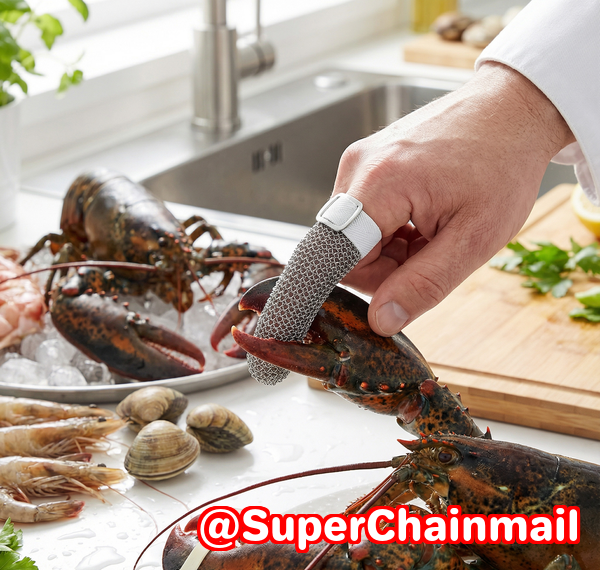
1. Ring Type: Welded vs Open Rings
The first thing to check when evaluating chainmail is whether the rings are welded or open. Open rings, though often cheaper, are not as durable and can break or pull apart more easily under stress. Welded rings are far stronger and more durable, making them a better choice for anything requiring significant protection or structural integrity.
Quick Tip:
Try pulling the rings apart with your fingers. If they bend or come loose, it’s a clear sign of low-quality chainmail.
2. Material: Stainless Steel Grades Matter
Now let’s talk about the material itself. Not all steel is created equal, and the difference in grades can significantly affect the durability and performance of your chainmail. The two most common grades used are 304 and 316 stainless steel.
-
304 Stainless Steel: While this is a popular and reliable option, it’s less resistant to corrosion than 316 stainless steel. It’s good for general use but might not hold up as well in harsher environments, like those that involve high moisture or salt exposure.
-
316 Stainless Steel: This is a superior choice, especially for industrial or food processing applications. The addition of molybdenum makes it much more resistant to rust and corrosion, making it perfect for high-moisture environments.
Quick Tip:
Look for clear markings on the product description. If you’re unsure, a simple corrosion test can help. You can check for rust marks on the chainmail or expose it to saltwater for a few hours and see if it corrodes.
3. Wire Thickness & Ring Diameter
The thickness of the wire used and the size of the rings play a big role in chainmail’s strength. Thicker wire is more resistant to cutting, while larger rings can reduce the overall strength of the weave.
What to check:
-
Wire thickness: The thicker the wire, the stronger the chainmail. For industrial use, look for a wire thickness between 14-16 gauge.
-
Ring diameter: Smaller rings with a tighter weave tend to be stronger. For industrial purposes, you want the inner diameter of the rings to be between 3/8″ and 1/2″.
Quick Tip:
Measure a few rings to check if they meet the specifications mentioned. Even small variations can make a big difference in performance.
4. Weave Patterns: Why European 4-in-1 Weave Matters
Chainmail comes in several weave patterns, with European 4-in-1 being one of the strongest and most common. This weave involves each ring passing through four other rings, creating a tight, sturdy structure that distributes force evenly. This makes it ideal for cut resistance and overall durability.
Quick Tip:
If you’re considering decorative chainmail, a looser weave might work fine, but if you’re looking for protection, European 4-in-1 is your best bet. Check how tight and neat the rings are. A sloppy weave is a red flag.
The Practical Side of Chainmail Inspection
After learning about materials and construction, I began inspecting chainmail products more carefully before buying. Here’s how I evaluate each piece to ensure it’s up to standard:
Pull Test: A Simple Yet Effective Check
One of the quickest ways to test chainmail quality is by performing a pull test. Gently tug on individual rings to see if they hold up. A well-made chainmail should feel firm and solid. If any of the rings start pulling apart or shifting, that’s a clear sign of poor craftsmanship.
Corrosion and Rust Resistance
Even the best stainless steel can rust if not treated properly. Make sure your chainmail is fully polished and free from corrosion. Signs of rust can sometimes be hidden, so don’t be afraid to get in there and look closely.
Signs of Poor Craftsmanship
Some chainmail is mass-produced in a way that sacrifices quality for speed. Look for uneven rings, inconsistent welding, or rings that don’t fit properly within the weave. This type of craftsmanship might save money initially but could end up costing you in the long run.
Choosing the Right Chainmail for Your Needs
The chainmail you buy should suit its intended use. Whether it’s for industrial cut protection, food processing, cosplay, or historical reenactments, each type of use demands a different approach. For instance, industrial-grade chainmail used in food processing requires top-tier corrosion resistance, while cosplay chainmail might prioritize comfort and weight.
Conclusion: My Recommendation for Quality Chainmail
After evaluating countless chainmail options, I highly recommend paying attention to the key details that make a difference. Whether it’s ensuring you’re getting welded rings, inspecting the material, or confirming a durable European 4-in-1 weave, these steps will help you avoid unsafe or fragile designs.
If you’re in need of guidance, Aegimesh Chainmail offers a thorough inspection tool that will walk you through how to identify high-quality chainmail products. This ensures your purchases will meet safety standards and provide long-lasting durability.
Check out Aegimesh’s chainmail inspection guide and learn more about identifying quality products here: Aegimesh Chainmail Guide
Frequently Asked Questions
1. How can I tell if a chainmail ring is welded or open?
A simple test involves pulling the ring gently. Welded rings won’t come apart, while open rings will bend or split.
2. Which stainless steel grade is best for long-lasting chainmail?
For the best durability, go with 316 stainless steel, especially in environments with high moisture or exposure to salt.
3. How do I inspect the weave pattern for strength?
Look for a European 4-in-1 weave for strength. The rings should be tightly woven without gaps or looseness.
4. What are the signs of low-quality or unsafe chainmail?
Signs include open rings, uneven weaving, inconsistent material quality, or rust. Always check for uniformity and tightness.
5. Can decorative chainmail be used for protective purposes?
Not always. Decorative chainmail may not have the durability required for protection. Be sure to inspect the weave and material carefully before use in protective settings.
6. How do I choose the right chainmail for industrial vs cosplay use?
For industrial use, prioritize durability, corrosion resistance, and tight weaves. For cosplay, lighter materials and more flexible weaves might be acceptable, but always ensure the product meets your desired durability.
Tags or Keywords:
chainmail quality, welded rings, stainless steel chainmail, cut-resistant chainmail, chainmail inspection, European 4-in-1 weave, chainmail durability