Steel Chainmail Rings: How to Use Them in Armor Creation
When you’re shopping for chainmailwhether for armor, cosplay, or even industrial purposesthe process can feel overwhelming. With so many options out there, how do you know if you’re getting the real deal or just a cheap imitation? I’ve been in your shoes before, trying to figure out what makes some chainmail pieces better than others, and how to ensure that what I’m buying is not only durable but also safe. After all, chainmail isn’t just about looks; its quality can make or break your investment, especially when used for protection or professional purposes.
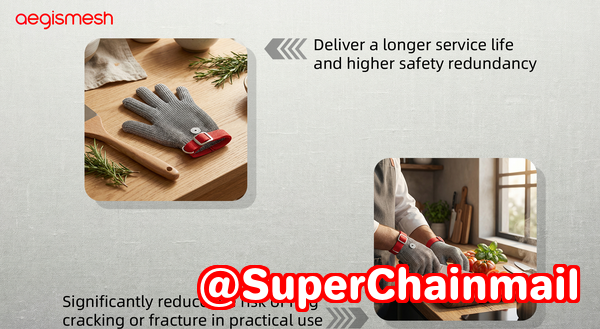
In this guide, we’ll walk through how to evaluate the quality of chainmail, focusing on key factors like welded rings, the right stainless steel grades, and the all-important weave patterns. Whether you’re looking to make a historically accurate replica, protect yourself in an industrial setting, or even add a cut-resistant layer to your costume, understanding how to identify high-quality chainmail is essential.
Common Pitfalls When Buying Chainmail
As with any product, there are a lot of pitfalls buyers can fall into when shopping for chainmail. Some are hard to spot unless you know exactly what to look for, while others are easy to miss if you aren’t familiar with the materials and techniques used in its construction. Let’s explore a few of the most common mistakes and how you can avoid them.
1. Welded Rings vs. Open Rings
It can be tough to tell whether a chainmail piece is made with welded rings or open rings. The key difference? Welded rings are far stronger and more durable than their open counterparts. Open rings can be prone to breaking, especially under pressure, which is a major concern if you’re using chainmail for protective purposes.
To test this, simply give the rings a light tug. If the ring opens or you see visible signs of separation, that’s an indication it’s an open ring. If the rings stay intact, then you’re dealing with welded rings.
2. Stainless Steel Grades
When it comes to stainless steel, not all grades are created equal. For chainmail, the most common grades you’ll encounter are 304 and 316. Grade 304 is often used for decorative purposes, but it can corrode more easily in harsh environments, which is a dealbreaker for industrial use. On the other hand, 316 stainless steel is more resistant to corrosion, making it ideal for applications where the chainmail will be exposed to moisture, such as in food processing or wet industrial settings.
To ensure you’re getting the right grade, ask the supplier or manufacturer about the material specifics. They should be able to provide this information without hesitation.
3. Weak Weaves
The weave pattern of chainmail is another crucial factor that affects its durability and overall strength. The most common and reliable pattern is the European 4-in-1, which is known for providing a balance of strength and flexibility. This pattern consists of four rings woven into one, creating a solid, durable structure. However, other patterns can be weaker, and if the rings aren’t woven tightly enough, the chainmail can feel flimsy.
When inspecting a piece of chainmail, pay close attention to how tightly the rings are woven together. A tight weave should have minimal gaps between the rings, which ensures better strength and resilience.
How to Inspect Chainmail Like a Pro
Now that we’ve covered some of the common pitfalls, let’s dive into how you can check the quality of chainmail before you make a purchase. Whether you’re buying for cosplay, as a collector, or for professional use, these steps will help you evaluate the material and craftsmanship.
1. Check the Material
Start by confirming the type of stainless steel used in the chainmail. As mentioned, 304 stainless steel is more prone to corrosion, while 316 stainless steel offers superior protection against moisture and harsh environments. If you’re unsure which type of steel is best for your needs, 316 is generally the safer option, especially for industrial or food-related applications.
2. Inspect the Welding
If you’re looking at a product with welded rings, take the time to examine each ring closely. Look for any signs of weakness in the welds, such as uneven seams or gaps. A strong weld should be smooth and seamless, with no visible openings. As mentioned earlier, the pull test is a good way to check for weld strengthif a ring pulls apart easily, it’s not a quality weld.
3. Measure the Ring Diameter and Wire Thickness
A good way to assess the strength of chainmail is by checking the size of the rings and the thickness of the wire. Rings that are too small or too large can affect the overall strength of the piece. A standard diameter for chainmail rings is around 8mm, but this can vary depending on the application. Similarly, thicker wires tend to be more durable, so don’t settle for flimsy rings that feel lightweight or brittle.
4. Look at the Weave Pattern
As mentioned, European 4-in-1 is the most common weave pattern used for high-quality chainmail. However, there are other patterns, such as 6-in-1 or 8-in-1, which offer even more protection but may be bulkier. When inspecting the weave, make sure that the rings are tightly interconnected and that there are no gaps that could compromise the strength of the armor. If you’re looking for chainmail for protective purposes, a tighter weave will generally offer better resistance against cuts and abrasions.
5. Perform a Simple Pull Test
A simple pull test is one of the easiest ways to check the durability of a chainmail piece. Give a ring or two a firm tug to see how it holds up. If any of the rings start to separate or bend, that’s a red flag. Ideally, the rings should hold together firmly, and you shouldn’t be able to easily pull them apart.
6. Look for Signs of Corrosion
Corrosion can be an issue, particularly for lower-quality stainless steel. Check the chainmail for any rust spots or discoloration, which are often signs that the steel is not the high-grade material promised. Even a small amount of corrosion can lead to weakening of the rings, which compromises the entire piece’s effectiveness.
Why Chainmail Quality Matters
There’s a reason chainmail has been used for centuries as armor: it offers excellent protection when made correctly. But when poorly constructed, chainmail can be ineffective or even dangerous. Whether you’re wearing it for personal protection in hazardous environments or simply showcasing it as part of a costume, you want to make sure that your investment is sound. Low-quality chainmail can break apart easily, rust, or simply fail to provide the protection you’re looking for.
By following the inspection steps outlined above, you can confidently purchase chainmail that not only looks great but also performs at the highest standards. For industrial users, collectors, and cosplayers alike, understanding chainmail quality ensures that you’re getting a product that will last and serve its intended purpose.
Conclusion
When it comes to purchasing chainmail, it’s crucial to inspect the material, welding, wire thickness, and weave pattern to ensure you’re getting a high-quality product. If you follow these simple steps, you can avoid wasting money on inferior products and ensure that your chainmail serves its intended purpose, whether for protection, historical accuracy, or cosplay. I highly recommend following these steps to make sure your chainmail purchase meets safety and durability standards.
Learn more about identifying high-quality chainmail products: Aegimesh Chainmail Guide
Check out our detailed chainmail inspection guide today.
FAQ
1. How can I tell if a chainmail ring is welded or open?
Simply give the ring a gentle pull. If the ring is welded, it will remain intact, while an open ring will pull apart.
2. Which stainless steel grade is best for long-lasting chainmail?
Grade 316 stainless steel is the best choice for long-lasting chainmail due to its superior corrosion resistance.
3. How do I inspect the weave pattern for strength?
Check if the rings are tightly interwoven with minimal gaps. A tight weave, such as European 4-in-1, provides the best strength.
4. What are the signs of low-quality or unsafe chainmail?
Signs include visible rust, weak welds, small or irregularly sized rings, and a loose or inconsistent weave.
5. Can decorative chainmail be used for protective purposes?
While decorative chainmail can look great, it’s often made with lower-quality materials that may not provide the protection needed for industrial or combat scenarios.
6. How do I choose the right chainmail for industrial vs cosplay use?
For industrial use, focus on durability, corrosion resistance, and tight weaves. For cosplay, you can prioritize aesthetics but still want to ensure quality rings and a stable weave.
7. How do I know if the chainmail is cut-resistant?
Cut-resistant chainmail is typically made with thicker wire and a tight weave. If you need it for industrial use, ensure it’s made with high-grade stainless steel like 316.
Tags: chainmail quality, welded rings, stainless steel chainmail, cut-resistant chainmail, chainmail inspection, European 4-in-1 weave