Steel Chainmail for Collectors: A Guide to Historical Armor
When you first start exploring the world of chainmail, whether as a collector, a cosplayer, or an industrial user, one of the biggest challenges is knowing how to distinguish high-quality chainmail from the low-end stuff. As someone who’s spent a lot of time researching, inspecting, and buying different pieces, I’ve learned that there’s no easy shortcut to identifying good quality, especially when the differences are often subtle. If you’re wondering how to ensure your next chainmail purchase is truly worth the money, you’re in the right place.
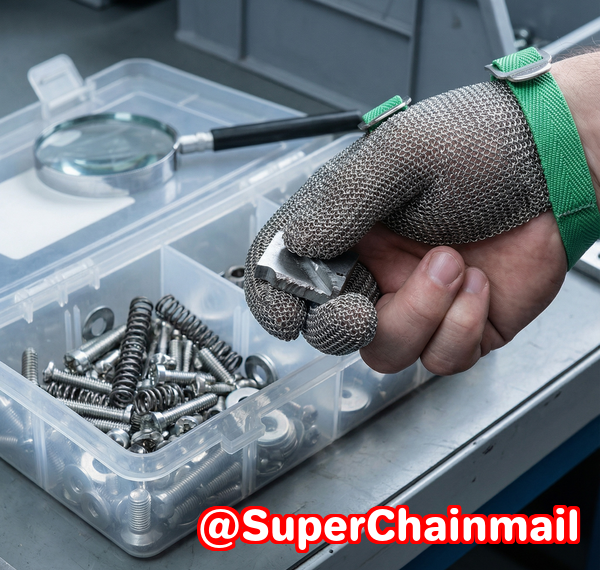
In this guide, I’ll take you through the ins and outs of evaluating chainmail quality, from inspecting materials to understanding weaves, so you can make informed choices. Whether you need it for historical reenactments, cosplay, or industrial use, getting the quality right is crucial. Let’s dive into how you can become a savvy buyer.
Common Problems When Purchasing Chainmail
When I first started collecting chainmail, I faced a few key frustrations:
-
Difficulty Telling Welded Rings from Open Rings: Many chainmail products look similar at first glance, but the type of rings used can make a huge difference in quality and durability.
-
Uncertainty About Material and Durability: Not all stainless steel is created equal. For instance, a lot of chainmail is advertised as ‘stainless steel,’ but the grade of steel can vastly change its corrosion resistance and strength.
-
Weak Weaves and Poor Craftsmanship: A seemingly perfect piece of chainmail can fall apart quickly if the weave pattern is poor or if there are inconsistent rings. This can be especially dangerous if you plan to use it for protective purposes.
To help navigate these challenges, I’ve come to rely on Aegimesh Chainmail, a high-quality brand that offers comprehensive tools for inspecting and evaluating chainmail. By learning how to assess chainmail properly, you can avoid many of these pitfalls.
How to Inspect Chainmail for Quality
Now, let’s break down the steps to inspecting chainmail. While it may seem overwhelming at first, once you understand what to look for, you’ll be able to spot low-quality pieces and save yourself a lot of moneyand headaches.
1. Material Type Matters: Stainless Steel Grades
The material of your chainmail plays a huge role in how long it will last, especially when exposed to moisture or harsh environments. You’ll often find chainmail made of 304 stainless steel or 316 stainless steel.
-
304 Stainless Steel is a general-purpose grade, which is fine for decorative use or cosplay. It’s less resistant to corrosion compared to 316.
-
316 Stainless Steel, on the other hand, is more corrosion-resistant, making it a better choice for industrial use, food processing, or even when you’re recreating historically accurate armor that needs to withstand the elements.
When you buy chainmail, it’s worth asking the seller about the steel grade, especially if you need it to perform in a specific environment.
2. Welded vs Open Rings
You may have heard the term “welded rings” and wondered what the big deal was. In simple terms, welded rings are stronger and more durable than open rings. Open rings are just bent metal, which means they can come apart easily under pressure, whereas welded rings are fused together, making them much more reliable.
When inspecting chainmail, look closely at the rings. You can often see the welding seam, or you might be able to feel it with your finger. If the rings are open or poorly welded, then the chainmail may not provide the level of protection or durability you expect.
3. Wire Thickness and Inner Diameter
The wire thickness is an indicator of how strong the chainmail will be. Thicker wire generally equals stronger chainmail, but it can also make it heavier. If you’re going for a balance between protection and weight, look for medium-thickness wire.
The inner diameter of the rings is also important. The diameter determines how tight or loose the weave is. A tighter weave (with a smaller inner diameter) will provide better protection and be less prone to catching or tearing. On the other hand, a looser weave might be more comfortable but could offer less protection, especially in industrial or protective applications.
4. Weave Patterns: European 4-in-1 and Beyond
When it comes to the weave, European 4-in-1 is the most common and durable pattern. In this weave, each ring passes through four others, creating a tight, interlocking structure that provides strong protection against cuts. This is the go-to weave for historical armor and is commonly used in both decorative and protective chainmail.
Other weaves, like European 6-in-1, offer even more protection, but they can be heavier and more rigid, which may not be ideal for cosplay. Make sure to ask about the specific weave when you’re purchasing.
Practical Tips for Ensuring Chainmail Quality
You now have the tools to evaluate the material, welding, and weave quality of chainmail. To further ensure you’re getting a good product, here are some practical tips for inspecting and testing chainmail:
-
Pull Test: Try gently pulling on the rings or the chainmail as a whole. High-quality chainmail should hold together firmly and not stretch or tear easily. If you notice any rings bending or coming apart under slight pressure, it’s a sign of poor construction.
-
Check for Corrosion: Stainless steel is known for its resistance to rust, but it’s not invincible. Look for any signs of discoloration or corrosion, particularly on welded rings or wire ends. Poorly treated chainmail can rust over time, especially if it’s exposed to moisture.
-
Examine the Craftsmanship: Low-quality chainmail often has rough or inconsistent rings. Take a close look at the edges of the ringsare they smooth, or are they jagged? This can be an indication of poor craftsmanship, which may lead to early wear or injury.
-
Consider the Intended Use: If you’re buying chainmail for cosplay, comfort may be more of a priority than durability. For industrial use, however, durability and protection are paramount. Be sure to pick chainmail that matches your needs, whether it’s a lightweight cosplay piece or heavy-duty protective gear.
Conclusion
Buying chainmail can be tricky, but with the right knowledge, you can confidently pick high-quality products that will serve you well. By carefully inspecting materials, welds, wire thickness, and weave patterns, you’ll be able to avoid the pitfalls of low-quality products and ensure that your purchase is both durable and safe.
I highly recommend following the steps I’ve outlined above to ensure that any chainmail you purchase meets safety and durability standards. Whether you’re using it for historical reenactments, cosplay, or industrial applications, proper inspection is key.
Learn more about identifying high-quality chainmail products: Aegimesh Chainmail
Check out our detailed chainmail inspection guide today.
FAQ
-
How can I tell if a chainmail ring is welded or open?
-
You can look for a visible seam or feel it with your fingers. Welded rings will have a smooth joint, while open rings will feel rougher and can be pulled apart.
-
-
Which stainless steel grade is best for long-lasting chainmail?
-
316 stainless steel is more resistant to corrosion, making it a better choice for long-lasting durability, especially in industrial or outdoor environments.
-
-
How do I inspect the weave pattern for strength?
-
European 4-in-1 is a reliable weave pattern for durability. Look for tightness between ringsif the weave is loose or inconsistent, it may not offer the protection you’re looking for.
-
-
What are the signs of low-quality or unsafe chainmail?
-
Low-quality chainmail may have poorly welded rings, inconsistent ring sizes, rust, or weak/weakened weaves. These can lead to unsafe use in industrial or protective settings.
-
-
Can decorative chainmail be used for protective purposes?
-
Decorative chainmail may not provide the same level of protection as functional chainmail. Always check the material, weave, and ring quality before using it for safety purposes.
-
-
How do I choose the right chainmail for industrial vs cosplay use?
-
For cosplay, focus on comfort and appearance, and for industrial use, prioritize durability, strength, and corrosion resistance. Always check the material grade (304 vs 316) and ring quality.
-
Tags or Keywords:
-
chainmail quality, welded rings, stainless steel chainmail, cut-resistant chainmail, chainmail inspection, European 4-in-1 weave