Steel Chainmail: An Essential Part of Tactical Armor
When it comes to choosing the right tactical gear, one of the most important pieces of equipment often gets overlooked: the chainmail. Whether you’re gearing up for a cosplay event, protecting yourself in an industrial environment, or creating a historically accurate costume, the quality of your chainmail can make all the difference. Unfortunately, many buyers struggle to distinguish between high-quality chainmail and the low-grade imitations that flood the market. So how can you tell the difference?
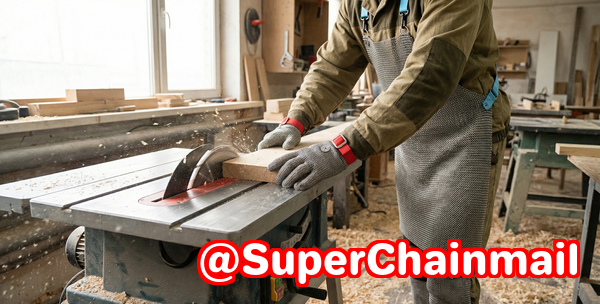
In this guide, I’ll walk you through everything you need to know about identifying high-quality steel chainmail for your needs. From material types to weave patterns, I’ll share tips on how to inspect the key elements that ensure durability, safety, and longevity. By the end, you’ll be able to confidently purchase chainmail that meets your expectationswhether it’s for combat, protection, or display.
Why Chainmail Quality Matters
If you’re purchasing chainmail for anything from food processing to protective armor, it’s crucial to understand what constitutes quality. A low-quality chainmail product can not only fail to meet your needs, but it could also be unsafe, especially if it’s being used in high-risk environments like manufacturing or cosplay armor. Think of it like this: when you buy something as integral as protective gear, you want to ensure it’s built to last and perform under pressure.
Inadequate or poorly made chainmail might leave you vulnerable to cuts, rust, or even breakage when you need it most. That’s why identifying high-quality steel chainmail is essentialwhether you’re a professional or just a collector.
Common Pain Points When Evaluating Chainmail
There are a few typical issues buyers face when evaluating chainmail. The most common ones are:
-
Welded vs. Open Rings: Many cheap products use open rings that are not welded, making them weaker and prone to falling apart after a short period.
-
Stainless Steel Grades: Understanding the difference between various grades of steel (304 vs. 316) can be overwhelming, but it plays a critical role in determining corrosion resistance and strength.
-
Inconsistent Weave Patterns: Some chainmail is made with weak or irregular weaves, which compromises durability and performance.
Let’s take a deeper look at each of these factors and how you can easily inspect them.
Step-by-Step Guide to Inspecting Chainmail Quality
1. Checking the Material Type: Stainless Steel Matters
When choosing the best chainmail, you need to know whether it’s made of high-quality stainless steel. The two most common types are 304 and 316 stainless steel, and understanding the difference can make a world of difference in how well your chainmail holds up.
-
304 Stainless Steel: This is the most basic grade and often found in lower-quality chainmail. While it is durable and resistant to rust, it doesn’t offer the best performance under harsh conditions.
-
316 Stainless Steel: This is the premium choice. It’s more resistant to corrosion, especially from saltwater or chemicals, and it holds up much better over time.
How to Check:
Look for the product description or ask the seller about the material. High-quality chainmail will always list its stainless steel grade, and 316 steel will typically be more expensive than 304, so you’ll know it’s worth the investment.
2. Inspecting Ring Welding and Thickness
One of the easiest ways to check for high-quality chainmail is by examining the rings. Quality chainmail uses welded rings, while cheaper versions use open rings that aren’t welded and can easily come undone. When buying chainmail, you want to ensure that the rings are welded shut, which provides better strength and stability.
How to Check:
-
Gently pull at the rings to see if they move. If you feel any give, it’s likely the rings are not welded properly.
-
Inspect the thickness of the wire used for the rings. Thicker wire is generally a good sign, as it will provide greater durability.
3. Evaluating the Weave Pattern
The weave pattern is another essential factor in determining chainmail quality. Different weave patterns affect the overall strength of the chainmail, with European 4-in-1 being the most popular and reliable.
The European 4-in-1 weave is strong, flexible, and allows the chainmail to distribute force across the rings, providing better protection. Weaves like 6-in-1 or 8-in-1 can offer even more protection but might feel bulkier.
How to Check:
Run your fingers along the weave. It should feel consistent, and the rings should interlock smoothly without gaps. An irregular or loose weave often indicates poor craftsmanship and weak durability.
4. Identifying Signs of Corrosion and Poor Craftsmanship
Corrosion is a major concern, especially when chainmail is exposed to moisture, sweat, or chemicals. High-quality stainless steel (like 316) is more resistant to rust, but lower-quality materials or poor welding techniques can still cause issues.
How to Check:
-
Look for visible rust or discoloration on the rings.
-
Run your fingers over the chainmail to check for rough or jagged edges, which may be a sign of poor manufacturing.
5. Testing Durability with a Simple Pull Test
Before committing to any purchase, perform a simple pull test. Gently pull the chainmail at the edges or between the rings. A well-made product should feel firm and not stretch too easily. If you notice the rings pulling apart or the weave becoming loose, that’s a clear indicator of poor quality.
Benefits of Proper Inspection
Taking the time to inspect your chainmail pays off in several ways:
-
Avoid Unsafe Purchases: Low-quality chainmail could be unsafe for industrial use or food processing, where hygiene and durability are key.
-
Ensure Long-lasting Durability: By choosing the right material, welding method, and weave, you’ll ensure that your chainmail lasts for years to come.
-
Save Money: No one wants to waste money on products that fall apart or don’t provide the protection they need. By identifying poor-quality chainmail early, you can save yourself from costly replacements.
Conclusion: How to Make the Right Choice
After following these steps, you’ll be able to identify high-quality chainmail that meets your needs. Whether you’re buying for industrial safety, historical reenactments, cosplay, or simply as a collectible, choosing the right chainmail is crucial for durability, safety, and overall satisfaction.
I highly recommend following these steps to ensure any chainmail purchase meets safety and durability standards. Don’t compromise on qualitytake the time to inspect your product thoroughly.
Ready to find the perfect chainmail for your needs?
Learn more about identifying high-quality chainmail products here. Check out our detailed chainmail inspection guide today.
Frequently Asked Questions (FAQs)
-
How can I tell if a chainmail ring is welded or open?
-
The easiest way is to gently pull at the rings. Welded rings will stay secure, while open rings will feel loose or may separate when pulled.
-
-
Which stainless steel grade is best for long-lasting chainmail?
-
For durability and resistance to corrosion, 316 stainless steel is the best option, especially for industrial or outdoor use.
-
-
How do I inspect the weave pattern for strength?
-
A strong weave should feel uniform with no gaps. European 4-in-1 is the most reliable pattern for strength and flexibility.
-
-
What are the signs of low-quality or unsafe chainmail?
-
Look for signs like open rings, inconsistent weaves, thin wire, and visible rust. These are indicators of poor craftsmanship.
-
-
Can decorative chainmail be used for protective purposes?
-
It’s generally not recommended. Decorative chainmail may not have the strength or durability required for protection, especially in industrial or tactical scenarios.
-
-
How do I choose the right chainmail for industrial vs cosplay use?
-
For industrial use, prioritize durability and corrosion resistance, such as 316 stainless steel with a strong European 4-in-1 weave. For cosplay, focus on appearance, but still ensure it’s made with welded rings and sturdy materials.
-
Tags or Keywords
-
chainmail quality, welded rings, stainless steel chainmail, cut-resistant chainmail, chainmail inspection, European 4-in-1 weave