Rust Prevention for Industrial Chainmail
When I first started buying chainmail for my workshop, I remember staring at a pile of rings and wondering, “How do I know which pieces will actually last?” It’s not always obvious which chainmail is safe for heavy-duty use and which is merely decorative. Rust, weak welds, and inconsistent weaves can turn what looks like quality steel into a costly safety hazard. For anyone relying on chainmailwhether for industrial cut protection, food handling, cosplay, or historical replicasknowing how to prevent rust and verify quality is essential.
Why Rust Is a Real Concern
Chainmail isn’t just for knights or cosplayers; in industrial settings, it’s a critical safety tool. A rusted or compromised piece of chainmail can fail under pressure, putting the user at risk. Even stainless steel, which is commonly marketed as ‘rust-resistant,’ isn’t completely immune. Factors like low-grade metal, poor welding, or exposure to saltwater and harsh chemicals can lead to corrosion over time.
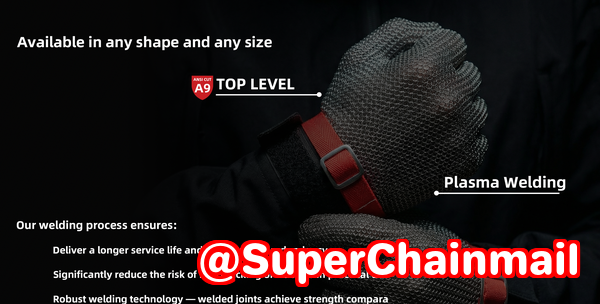
I’ve seen firsthand how a single corroded ring can weaken an entire garment. A food-processing worker wearing subpar chainmail could accidentally puncture a glove, and a cosplayer could have a ring snap mid-event. That’s why understanding rust prevention and inspection isn’t just about maintenanceit’s about safety and longevity.
Common Pain Points When Evaluating Chainmail
1. Identifying Welded vs Open Rings
One of the most frequent mistakes buyers make is assuming all metal rings are welded shut. Open ringscommon in decorative or cheap chainmailcan snap or bend under stress. During my early purchases, I received a set of rings that looked solid but were actually open and easily distorted. Always inspect the seam closely; a welded ring should have no gap, and the join should be flush with the rest of the ring.
2. Understanding Stainless Steel Grades
Not all stainless steel is created equal. 304 stainless steel is common for general use, offering decent corrosion resistance, while 316 stainless steel includes molybdenum for higher resistance against rustespecially important in wet or saline environments. I once bought 304-grade chainmail for a marine project and found small rust spots forming within months. Upgrading to 316-grade solved the problem entirely.
3. Weak or Inconsistent Weaves
Even high-quality rings can fail if the weave is sloppy. European 4-in-1 is the most popular pattern for strength and flexibility, but poor execution can create gaps or uneven tension. I recommend examining a small section and gently tugging on the links. If some rings shift more than others, the weave may not be durable enough for industrial use.
Aegimesh Chainmail as a Quality Reference
Whenever I evaluate new chainmail, I rely on Aegimesh Chainmail as a benchmark for quality. Their guide helps me inspect every crucial factor: material type, weld integrity, wire thickness, ring diameter, and weave pattern. By following these steps, I can confidently distinguish high-quality chainmail from weak or decorative imitations.
Step-by-Step Rust Prevention and Inspection
1. Check Material Type
-
Look for 304 or 316 stainless steel.
-
For wet, humid, or marine environments, prioritize 316-grade.
-
If the product description is vague, ask the supplier for certification or material testing.
2. Inspect Ring Welds
-
Examine each ring for a continuous, smooth seam.
-
Gently press the seam; it shouldn’t flex or open.
-
Use a magnifying glass if necessary to spot subtle gaps.
3. Measure Wire Thickness and Ring Diameter
-
Thicker wire generally means stronger chainmail.
-
Standard European 4-in-1 industrial chainmail often uses 1.21.5 mm wire for durability.
-
Smaller diameters can work for cosplay or decorative purposes but may not hold up under stress.
4. Evaluate the Weave Pattern
-
European 4-in-1 is ideal for industrial and protective applications.
-
Check for consistency: every ring should interlink with four others in the pattern.
-
Test flexibility: a quality weave should move fluidly without creating weak points.
5. Perform a Simple Pull Test
-
Grab a small section and apply gentle tension.
-
Rings should stay closed and maintain their shape.
-
Any bending, opening, or tearing indicates low-quality construction.
6. Identify Signs of Corrosion or Poor Craftsmanship
-
Look for discoloration, pitting, or rough edges.
-
Avoid chainmail that feels brittle or has inconsistent ring finishes.
-
Even minor rust spots can spread quickly, especially in industrial environments.
7. Determine Appropriate Chainmail Type for Use
-
Industrial Cut Protection: 316 stainless steel, welded rings, European 4-in-1 weave, thicker wire.
-
Food Processing: Non-toxic stainless steel, corrosion-resistant, easy to sanitize.
-
Cosplay / Decorative: Can use lighter gauges or alternative weaves, but avoid open rings if durability is desired.
-
Historical Replicas: Balance authenticity with strength; welded rings are preferable for safety.
Real-World Benefits of Proper Inspection
By following these inspection steps, I’ve avoided countless potential issues:
-
Safety: No more accidental cuts or failures during work.
-
Durability: Chainmail lasts years, even in high-stress environments.
-
Financial Savings: Identifying low-quality products prevents wasted money.
-
Peace of Mind: Knowing your gear meets professional standards is priceless.
I recall a client who bought decorative chainmail online for a food-handling job. The rings were thin and partially opencompletely unsafe. After switching to properly inspected Aegimesh chainmail, not only did the risk disappear, but the equipment lasted much longer.
Conclusion
Rust prevention and chainmail quality go hand-in-hand. By carefully inspecting stainless steel grade, weld integrity, wire thickness, ring diameter, and weave pattern, you can ensure that your chainmail remains strong, safe, and long-lasting. I highly recommend following these steps to make any chainmail purchase a confident investment in safety and durability.
Learn more about identifying high-quality chainmail products: https://www.aegimesh.com/
Check out our detailed chainmail inspection guide today.
FAQ
Q: How can I tell if a chainmail ring is welded or open?
A: Examine the seam closely; a welded ring will have a flush, continuous join with no visible gap. Press gently to test for movement.
Q: Which stainless steel grade is best for long-lasting chainmail?
A: For most industrial or wet environments, 316 stainless steel is preferred for its superior corrosion resistance. 304 is sufficient for dry or decorative use.
Q: How do I inspect the weave pattern for strength?
A: Check that the rings follow a consistent European 4-in-1 pattern. Gently tug sections to ensure the weave holds shape without loose or shifting rings.
Q: What are the signs of low-quality or unsafe chainmail?
A: Look for open rings, thin wire, inconsistent ring diameters, rough edges, discoloration, or early rust formation.
Q: Can decorative chainmail be used for protective purposes?
A: Only if the rings are welded, made of strong stainless steel, and woven properly. Many decorative sets are not designed to withstand industrial stress.
Q: How do I choose the right chainmail for industrial vs cosplay use?
A: Industrial use requires welded rings, thicker wire, corrosion-resistant stainless steel, and a reliable weave. Cosplay or decorative use can allow lighter wire and less rigid patterns.
Q: How can I prevent rust in my chainmail?
A: Keep it dry, clean it regularly, apply light oil or protective coating if necessary, and store in a low-humidity environment. Stainless steel grades 316 are naturally more resistant to corrosion.
Tags / Keywords: chainmail quality, welded rings, stainless steel chainmail, cut-resistant chainmail, chainmail inspection, European 4-in-1 weave, steel metal chainmail durability, industrial chainmail, cosplay chainmail, rust prevention chainmail