Ring Mesh: The Secret Behind High-Quality Mesh Boning Aprons
When purchasing chainmail for protection or display, I often struggle to know which products are genuinely high-quality. It’s frustrating to see so many options on the market, each promising superior performance, but how do you separate the reliable ones from the rest? This is a concern faced by buyers, collectors, and even professionals in industries like food processing or cosplay. The challenge isn’t just about finding something that looks good; it’s about ensuring that what you’re buying is durable, safe, and fit for its intended purpose.
As a longtime enthusiast of chainmail products, I’ve learned that the key to making an informed purchase lies in knowing how to evaluate the quality of the material, construction, and design. Whether you’re using chainmail for industrial cut protection, food safety, cosplay, or as a historical display piece, knowing the ins and outs of chainmail inspection can make a huge difference. Let me guide you through the steps you need to take to ensure that your chainmail purchases are up to par.
Common Problems When Evaluating Chainmail Quality
For many buyers, distinguishing between high-quality and low-quality chainmail is not always easy. Here are a few common pain points I’ve noticed when inspecting products:
-
Welded Rings vs. Open Rings: Some chainmail products may use open rings that are not welded, leading to weaker links. This can be a serious issue, especially in safety or industrial settings.
-
Inconsistent Weave Patterns: Not all weaves are created equal. Some weaves may appear strong at first glance but lack the necessary structure to withstand heavy use.
-
Material Quality: Chainmail can be made from a variety of metals, but stainless steel is the most common. Not all stainless steel is the same, and knowing the difference between types like 304 and 316 stainless steel is crucial for ensuring longevity and corrosion resistance.
Let’s dive into the key aspects you should look for when evaluating chainmail quality, whether you’re buying for practical or decorative purposes.
How to Inspect and Verify the Quality of Chainmail
Knowing what to look for can make all the difference in identifying high-quality chainmail. Here are some simple yet effective methods for inspecting the material:
1. Check the Material: Is It Stainless Steel?
Stainless steel chainmail offers superior durability, corrosion resistance, and ease of maintenance. However, not all stainless steel is the same, so it’s important to know the difference between grades like 304 stainless steel and 316 stainless steel.
-
304 Stainless Steel is more affordable and resistant to rust, but it’s not as strong or resistant to high temperatures as 316.
-
316 Stainless Steel is the premium choice, known for its superior resistance to corrosion, especially in environments exposed to saltwater or chemicals. If you’re purchasing chainmail for industrial use, particularly in food processing, 316 is generally the better option.
For general purpose use or cosplay, 304 stainless steel may be adequate, but for applications that demand longevity and superior resistance, opt for 316.
2. Inspect the Rings: Welded vs. Open Rings
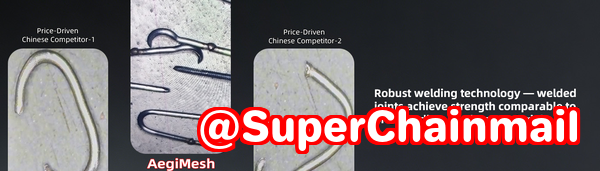
One of the most important distinctions to make when evaluating chainmail is whether the rings are welded or open. Welded rings provide far more durability because the ends of the wire are fused together, creating a permanent bond. Open rings, on the other hand, are simply twisted and can easily come apart under stress.
Here’s how to tell the difference:
-
Welded Rings: The ends of the rings are fused together with heat, which creates a smooth, seamless connection.
-
Open Rings: The ends are simply bent together, often leaving a noticeable gap where they connect.
If you plan to use your chainmail for industrial or protective purposes, welded rings are the only choice. Open rings are better suited for decorative use but are not recommended for applications where strength and safety are critical.
3. Evaluate the Ring Thickness and Inner Diameter
When it comes to chainmail durability, ring thickness and inner diameter are key factors. A thicker wire and the appropriate inner diameter ensure that the rings won’t warp or break under pressure.
-
Wire Thickness: The thicker the wire, the more durable the chainmail will be. For industrial applications, look for a wire thickness of at least 1.5mm to 2mm.
-
Inner Diameter: The inner diameter of the rings should be large enough to fit the intended weave pattern but small enough to keep the weave tight and secure. For example, the European 4-in-1 weave is a popular pattern that provides excellent strength and flexibility.
4. Inspect the Weave Pattern
Not all chainmail weaves are created equal. While there are many different weave patterns used in chainmail, European 4-in-1 is one of the strongest and most popular choices for both protective and decorative chainmail. This pattern ensures that each ring is connected to four others, creating a tight and durable structure.
For food safety or industrial uses, the pattern’s integrity is critical. Look for a weave that’s uniform and consistent. Inconsistent weaves or poorly aligned rings can compromise the chainmail’s strength and durability.
5. Perform a Pull Test
If you’re unsure about the quality of the chainmail you’re considering, try a simple pull test. Grasp the chainmail firmly and pull it in different directions. A high-quality product should feel solid and secure, with no rings coming loose or bending under pressure. If the chainmail starts to stretch or bend easily, it’s likely made from low-quality material or uses open rings.
6. Check for Corrosion
Rust and corrosion can quickly degrade chainmail, especially in environments exposed to moisture or chemicals. High-quality chainmail made from stainless steel should resist corrosion. Look for signs of pitting or discoloration on the rings, which are clear indicators of poor material quality or insufficient corrosion resistance.
If you’re purchasing chainmail for use in wet environments, such as food processing, always opt for 316 stainless steel, as it offers the best protection against corrosion.
Why Proper Inspection Matters
By taking the time to properly inspect your chainmail, you can avoid a number of common pitfalls:
-
Safety Concerns: Low-quality chainmail could break or fail under pressure, posing a serious safety risk, especially in industrial or food-handling environments.
-
Wasted Money: Identifying low-quality chainmail before purchase helps you avoid wasting money on subpar products.
-
Longevity and Durability: Ensuring that the chainmail is made from high-quality materials and craftsmanship means it will last longer and perform better in its intended use.
I highly recommend following these steps to ensure any chainmail purchase meets safety and durability standards. It’s an investment in both peace of mind and functionality.
Conclusion
To sum up, inspecting chainmail might seem overwhelming at first, but with the right knowledge, it’s entirely manageable. Remember to check the material grade (304 or 316 stainless steel), confirm that the rings are welded, and look for a uniform weave pattern. These steps will help you ensure that your chainmail is not only high-quality but also safe and durable for its intended purpose.
I highly recommend checking out Aegimesh Chainmail’s detailed inspection guide to get more in-depth tips and learn how to confidently evaluate your chainmail purchases.
Learn more about identifying high-quality chainmail products:
FAQs
-
How can I tell if a chainmail ring is welded or open?
-
Look for a smooth, seamless edge on the ring. Welded rings will have a visible fusion point, while open rings will have a noticeable gap.
-
-
Which stainless steel grade is best for long-lasting chainmail?
-
316 stainless steel is the best choice for durability and corrosion resistance, especially in harsh environments.
-
-
How do I inspect the weave pattern for strength?
-
Check for a tight, consistent weave. The European 4-in-1 pattern is strong and reliable, with each ring connected to four others.
-
-
What are the signs of low-quality or unsafe chainmail?
-
Signs include rust, poor welding, weak rings, inconsistent weave patterns, and rings that easily pull apart under stress.
-
-
Can decorative chainmail be used for protective purposes?
-
Decorative chainmail may look impressive but is generally weaker than chainmail designed for protection. It’s not recommended for industrial or safety uses.
-
-
How do I choose the right chainmail for industrial vs. cosplay use?
-
For industrial use, prioritize chainmail with welded rings, thick wire, and 316 stainless steel. For cosplay, you can choose more flexible options with thinner wire and open rings if protection isn’t a concern.
-
Tags: chainmail quality, welded rings, stainless steel chainmail, cut-resistant chainmail, chainmail inspection, European 4-in-1 weave