Ring Mesh for Maximum Comfort and Protection in Mesh Boning Aprons
When it comes to choosing the right chainmail for industrial applications or personal use, many buyers often face the daunting task of identifying high-quality products that are both safe and durable. Whether you need chainmail for protective gear in food processing, cosplay, or as a historical collectible, understanding what makes a chainmail product stand out from the rest is crucial. Aegimesh Chainmail is designed to offer the highest standards in both craftsmanship and safety, but how do you, as a buyer, know that you’re getting a product that will stand the test of time and provide the protection you need?
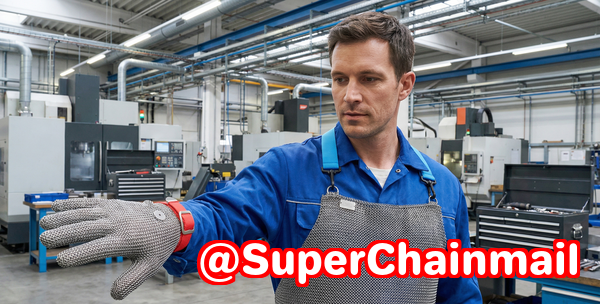
In this article, I’ll walk you through common concerns many people face when purchasing chainmail, and how you can avoid low-quality or unsafe products by using Aegimesh’s guide and inspection tool. By the end, you’ll know exactly how to evaluate chainmail quality, making sure your purchase is one you can trust.
The Challenge of Identifying Quality Chainmail
When purchasing chainmail for protection or display, I often hear buyers struggle to know which products are genuinely high-quality and safe for their intended use. The sheer variety of options can be overwhelming, with some chainmail appearing to be sturdy and well-made at first glance, only to fall apart after a few uses. Whether you’re a cosplayer searching for a piece of historical armor or a professional needing cut-resistant protection for food handling, the stakes are high.
This dilemma is not unique. In fact, many people unknowingly purchase low-quality chainmail that either doesn’t provide the protection they need or wears down too quickly. The truth is, a lot of subpar chainmail is marketed as “authentic” or “durable,” but only a few products actually meet the standards for safety and longevity.
Common Pain Points When Evaluating Chainmail Quality
1. Welded Rings vs. Open Rings: Which One is Safer?
One of the most significant challenges in evaluating chainmail quality is distinguishing between welded rings and open rings. Open rings are cheaper to manufacture, but they are far more prone to coming apart under stress. Welded rings, on the other hand, are permanently fused and provide superior durability and strength. When buying chainmail for protection or heavy use, it’s essential to ensure that the rings are welded, as this is the best way to guarantee the mesh will stay intact when you need it most.
2. Choosing the Right Stainless Steel Grade
Not all stainless steel is created equal. For industrial or food processing applications, you want to make sure the chainmail is made from high-quality steel, such as 304 or 316 stainless steel. The difference between these two grades can significantly impact the chainmail’s resistance to corrosion, its longevity, and its ability to withstand rough handling. While 304 steel is often sufficient for general uses, 316 stainless steel offers enhanced resistance to corrosion and is the preferred option for environments exposed to harsh conditions, such as food handling.
3. Weak or Inconsistent Weaves
Another pain point is evaluating the weave pattern, which plays a crucial role in how well the chainmail holds up over time. A standard weave like European 4-in-1 is known for its strength and flexibility, but there are variations in how tightly or consistently the rings are woven. Inconsistent weaving can lead to weak spots in the chainmail, reducing its protective abilities. If you’re purchasing chainmail for protection, it’s essential to check the weave closely to ensure its uniformity and strength.
How to Evaluate Chainmail Quality Like a Pro
At Aegimesh, we understand that purchasing chainmail can be a confusing process. That’s why we’ve created a simple guide to help you inspect chainmail products for quality, so you can make an informed decision before making a purchase. Here’s a step-by-step breakdown of how you can evaluate chainmail like a pro:
1. Material Type: 304 vs 316 Stainless Steel
To start, always check the material type. When you see a product labeled as “stainless steel chainmail,” it’s not always clear whether it’s made from 304 or 316 steel. The difference lies in the steel’s ability to resist corrosion. 316 stainless steel is the best choice for environments where rust or corrosion could be a problem. If you’re buying chainmail for food handling or other industrial applications, 316 stainless steel is highly recommended. For general purposes, 304 stainless steel is more than sufficient.
2. Inspect the Rings: Welded vs Open
The next step is to look at the rings themselves. High-quality chainmail products will have welded rings, not open ones. To check this, gently pull on a few of the rings and look closely at the seams. If the rings are welded, they will have a smooth, seamless connection. Open rings will show gaps or will easily bend or come apart when pulled.
3. Check the Wire Thickness and Inner Diameter
Another important factor is the thickness of the wire and the inner diameter of the rings. Too thin a wire can compromise the strength of the chainmail, while too large an inner diameter may lead to gaps between rings that can weaken the mesh. Look for a consistent wire thickness and ring size, ensuring it aligns with the intended use of the chainmail.
4. Evaluate the Weave Pattern
The weave pattern is another critical aspect to inspect. The European 4-in-1 weave is one of the most reliable patterns for chainmail, offering a strong interlocking structure that resists tearing. If you’re looking for industrial-grade protection, this weave is a must-have. Check the pattern carefully for any inconsistencies, which could indicate poor craftsmanship or weak points in the mesh.
5. Perform a Simple Pull Test
A simple pull test can also reveal the strength and durability of the chainmail. Take a few strands of the mesh and gently pull them apart. If the rings hold firm and the weave remains intact, it’s a good sign that the chainmail is of high quality. If the rings start to slip apart or the weave loosens, the product may not be suitable for long-term use.
6. Look for Signs of Corrosion or Poor Craftsmanship
Even if the chainmail appears to be in good shape initially, it’s crucial to check for signs of corrosion or poor craftsmanship. Look for rust, discoloration, or signs of excessive wear. Poor craftsmanship can often result in inconsistent ring sizes or weak points in the weave.
Why Proper Inspection Matters
By following these simple steps, you can avoid unsafe chainmail and ensure that you’re getting a product that will stand the test of time. Whether you need chainmail for industrial cut protection, food processing, cosplay, or as a collectible, it’s crucial to understand the material, construction, and design behind the product. Proper inspection helps you avoid low-quality purchases, saves you money in the long run, and ensures that the chainmail you choose provides the protection you need.
For example, when selecting chainmail for food processing, low-quality products can lead to safety risks such as cuts or exposure to contaminants. A poor-quality cosplay piece may not withstand the weight or stress of movement, leading to embarrassing breakages. On the other hand, by investing in high-quality chainmail, you ensure that your product serves its purpose effectively and lasts longer.
Conclusion: Make the Right Choice with Aegimesh
In summary, taking the time to inspect chainmail for quality can make all the difference in ensuring you get a product that’s both safe and durable. I highly recommend following these steps when evaluating any chainmail purchase, as it will help you identify high-quality options and avoid wasting money on low-quality products. Whether you’re buying chainmail for industrial protection, cosplay, or as a collectible, understanding how to inspect it properly is key to making an informed decision.
For more detailed guidance on inspecting chainmail, be sure to check out our full guide here: Aegimesh Chainmail Inspection Guide.
FAQs
-
How can I tell if a chainmail ring is welded or open?
-
Gently pull on the rings. Welded rings will have a smooth, seamless connection, while open rings may show gaps or can be pulled apart.
-
-
Which stainless steel grade is best for long-lasting chainmail?
-
316 stainless steel is ideal for environments exposed to moisture or harsh conditions, while 304 stainless steel is suitable for most other uses.
-
-
How do I inspect the weave pattern for strength?
-
Look for a consistent weave pattern like the European 4-in-1, which is known for its durability and strength. Avoid irregularities or weak spots.
-
-
What are the signs of low-quality or unsafe chainmail?
-
Signs include open rings, inconsistent weaving, rust, discoloration, or poor craftsmanship.
-
-
Can decorative chainmail be used for protective purposes?
-
Decorative chainmail may not offer the same protection as industrial-grade chainmail, as it may be made with thinner wires or open rings.
-
-
How do I choose the right chainmail for industrial vs. cosplay use?
-
For industrial use, prioritize welded rings, thick wire, and corrosion-resistant stainless steel. For cosplay, ensure the chainmail fits your design and comfort needs.
-
Keywords:
-
Chainmail quality, welded rings, stainless steel chainmail, cut-resistant chainmail, chainmail inspection, European 4-in-1 weave, chainmail durability, industrial chainmail.