Modern Uses of Steel Chainmail in Industrial Settings
When you’re considering purchasing chainmail for industrial use or personal projects, the last thing you want is to spend your hard-earned money on a product that doesn’t meet your needsespecially when it comes to safety. As someone who frequently purchases steel chainmail for various applications, I’ve been in the same boat: struggling to distinguish between high-quality, durable chainmail and low-grade imitations. In this post, I’ll walk you through how to ensure you’re getting the best product, whether it’s for industrial protection, food processing, cosplay, or even historical replicas.
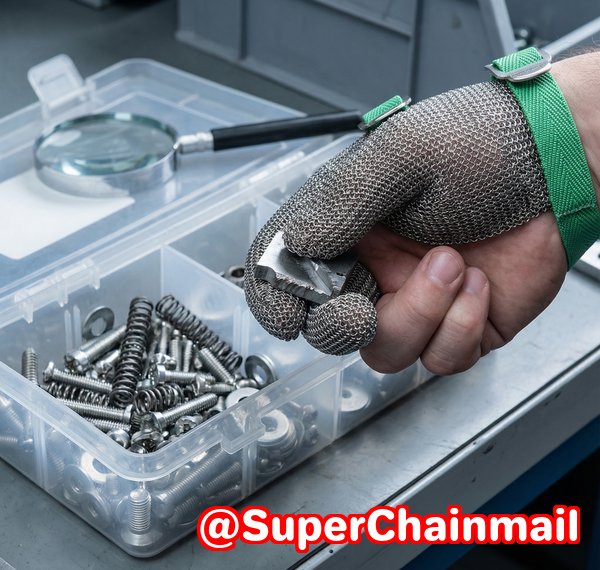
Understanding chainmail’s true quality can be tricky, especially when you’re not familiar with what to look for. So let’s break it down, step by step, to ensure that your next chainmail purchase is safe, durable, and worth the investment.
Common Problems When Evaluating Chainmail
When evaluating chainmail, there are a few common issues that many buyers face. Understanding these will help you avoid wasting money or, worse, purchasing unsafe or unreliable products.
-
Welded Rings vs. Open Rings
One of the most common issues buyers face is not knowing whether the rings in the chainmail are welded or open. Welded rings provide a much stronger and more durable weave, making them ideal for industrial or protective uses. Open rings, on the other hand, are typically used in decorative chainmail and are far weaker.
Tip: You can check the rings by gently pulling at the weave to see if the rings move apart. If they do, you’re looking at open rings. -
Stainless Steel Grades and Corrosion Resistance
Not all stainless steel is created equal. For chainmail, the grade of stainless steel used plays a crucial role in its durability and corrosion resistance.
304 stainless steel is generally used for decorative chainmail, while 316 stainless steel is much more resistant to corrosion and is better suited for industrial use, especially in food processing environments.
Tip: Check the product description or ask the manufacturer what grade of stainless steel was used. If they’re using 304 steel for industrial protection, that’s a red flag. -
Weak Weaves and Inconsistent Quality
The strength of chainmail largely depends on the quality of the weave. Common weaves like the European 4-in-1 are designed to distribute force evenly, making them more reliable for protective uses. However, inconsistent weaves can compromise strength, and some manufacturers may cut corners on the craftsmanship.
Tip: Check the consistency of the weave. If you notice loose or uneven rings, or if the weave pattern appears distorted, it’s a sign of poor craftsmanship.
How to Inspect and Verify Chainmail Quality
Now that we’ve covered the common pain points, let’s talk about how to actually inspect chainmail to determine whether it’s the real deal. Here are some key steps I recommend:
-
Check the Material Type
As mentioned earlier, the material is one of the most important factors in determining the quality of chainmail. For industrial uses, always opt for 316 stainless steel, which offers superior corrosion resistance. For decorative or cosplay purposes, 304 stainless steel might suffice, but make sure it’s not being marketed as something it’s not.
-
Examine the Ring Welding
The welds on the rings should be clean and secure. A properly welded ring will have a small seam but should feel solid and strong. Avoid chainmail where the welds appear brittle, rough, or incomplete.
Tip: Perform a simple pull test. Gently tug on a few rings in different areas. If the weld breaks or the rings separate, you’re dealing with low-quality chainmail. -
Inspect the Wire Thickness and Inner Diameter
The thickness of the wire and the inner diameter of the rings are crucial for strength and durability. Thicker wires and smaller inner diameters provide a stronger, more rigid structure, while thinner wires and larger diameters can result in weaker, less reliable chainmail.
Tip: Measure the wire thickness and ring diameter using a ruler or micrometer, especially if you plan to use the chainmail in an industrial or safety context. -
Evaluate the Weave Pattern
Chainmail weaves come in various patterns, with the European 4-in-1 weave being one of the most popular for its balance of strength and flexibility. Check for evenness in the weave and make sure the rings are aligned properly.
Tip: Inspect the weave both from the front and the back. If it looks uneven or sloppy, it might not hold up under pressure.
Benefits of Proper Chainmail Inspection
By taking the time to inspect chainmail before purchasing, you’ll avoid a host of problems, including:
-
Unsafe Purchases: Low-quality chainmail can break under stress, leaving you vulnerable to injury, especially in industrial settings.
-
Increased Durability: A high-quality product will last longer, saving you money in the long run.
-
Fewer Surprises: By understanding how to inspect chainmail, you can confidently buy with peace of mind, knowing that your product will meet your needs.
Practical Tips for Chainmail Inspection
Here are some quick steps you can take to inspect chainmail effectively:
-
Pull Test: As mentioned, give the rings a gentle pull to ensure the welds hold.
-
Corrosion Check: Look for any signs of rust or discoloration. Stainless steel should not rust, so this is a red flag.
-
Weave Inspection: Run your hands along the weave to ensure it feels consistent and sturdy. A well-made weave should feel smooth without any irregular gaps or loose rings.
-
Look for Craftsmanship Marks: Sometimes manufacturers will include marks or engravings to indicate high-quality craftsmanship. These can be a good sign that the chainmail was made with attention to detail.
Conclusion: Make Informed Chainmail Purchases
After following these inspection methods, you’ll be well-equipped to identify high-quality chainmail. I highly recommend you pay close attention to material type, ring welds, wire thickness, and weave consistency before making a purchase. This will ensure you’re getting a safe, durable product that meets your needs, whether for industrial protection, cosplay, or historical reenactments.
If you’re looking for more guidance, I encourage you to check out our detailed chainmail inspection guide and learn more about identifying high-quality chainmail products: Aegimesh Chainmail.
FAQ
How can I tell if a chainmail ring is welded or open?
To check if a ring is welded, gently pull on the rings. If they separate, it’s an open ring. Welded rings will stay intact.
Which stainless steel grade is best for long-lasting chainmail?
For durability and corrosion resistance, 316 stainless steel is the best choice, especially in industrial or food-related settings.
How do I inspect the weave pattern for strength?
Look for a tight, even weave with consistent ring alignment. European 4-in-1 is a reliable pattern for strength.
What are the signs of low-quality or unsafe chainmail?
Signs include uneven weaves, weak or cracked welds, rust, and inconsistent ring diameters.
Can decorative chainmail be used for protective purposes?
Not typically. Decorative chainmail, often made with open rings, is not strong enough for protection.
How do I choose the right chainmail for industrial vs cosplay use?
For industrial use, choose chainmail made from 316 stainless steel with welded rings. For cosplay, 304 stainless steel and open rings may suffice.
How do I ensure a good chainmail purchase?
Follow the inspection methods outlined above: check the material, welds, wire thickness, and weave pattern to confirm the product’s quality.