Lightweight Chainmail Arm Guards Without Losing Protection
When purchasing chainmail for protection or display, I often struggle to know which products are genuinely high-quality. As a buyer, it’s easy to fall into the trap of assuming all chainmail is created equal. However, a lot of factors go into ensuring a product is truly durable and protective, especially when it comes to industrial use, cosplay, or historical replicas. The last thing you want is to invest in something that doesn’t deliver on its promises. So, how do you choose chainmail that’s not only lightweight but also protective?
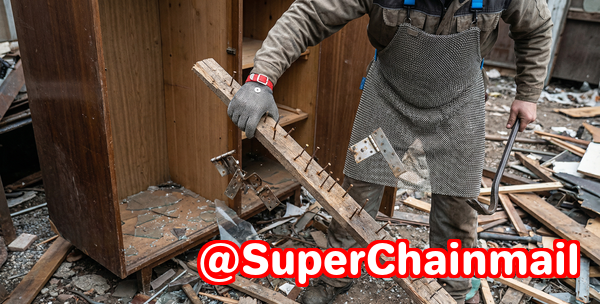
This guide will walk you through the crucial steps of evaluating chainmail quality, so you can make an informed decision without worrying about wasting money or, worse, compromising your safety. With a few simple checks, you can ensure that your chainmail product stands up to the test, whether you’re using it for industrial work, food processing, or as part of a cosplay or collectible.
Pain Points When Evaluating Chainmail Quality
One of the most common pain points buyers face when evaluating chainmail is distinguishing between high-quality products and low-quality imitations. So many factors come into play, including the material used, the way the rings are welded, the weave pattern, and the wire thickness. If you’re not familiar with what to look for, it can be a challenge. Here are some of the main issues that can arise:
1. Welded vs. Open Rings
It can be difficult to tell whether the rings in a chainmail product are welded or open. While both may look similar, welded rings are much stronger and more durable than open rings. Open rings can separate over time, reducing the overall integrity of the piece.
2. Material Quality: Stainless Steel Grading
Not all stainless steel is created equal. Most quality chainmail uses either 304 or 316 stainless steel. But how do you know which grade you’re getting? 304 stainless steel is corrosion-resistant and widely used, but it’s not as durable as 316 stainless steel, which contains molybdenum for even better resistance to corrosion and wear. For food handling or heavy industrial use, 316 is typically the best choice.
3. Inconsistent Weaving and Weak Links
The weave pattern of chainmail is essential for both strength and flexibility. The European 4-in-1 weave is often considered the most durable because it distributes pressure evenly across the rings. However, not all chainmail uses this pattern, and some lower-quality versions may feature inconsistent weaving that weakens the overall structure.
How to Inspect Chainmail for Quality
Now that we’ve covered some common pitfalls, let’s dive into how you can inspect and evaluate chainmail to ensure it’s worth your money. Here’s a simple step-by-step guide that anyone can follow.
1. Inspect the Material Look for Stainless Steel Grades
First things first: check the material. Chainmail is most often made of stainless steel, but the grade can vary. As mentioned earlier, 304 stainless steel is a solid choice, but for superior durability, especially for industrial or food-grade use, opt for 316 stainless steel.
You can usually tell the difference by asking the seller or checking the product description, but if you have the chainmail in hand, you might also notice a subtle difference in the texture or finish. 316 stainless steel has a slightly smoother, shinier appearance.
2. Ring Type Welded vs. Open Rings
Next, focus on the rings themselves. High-quality chainmail should feature welded rings. If the rings appear to be open or not securely closed, this is a major red flag. A simple pull test can help you check the integrity of the weld. Just grab a ring and gently pull to see if it stays in place. If it moves or pops apart, it’s an indication that the chainmail may not be up to the standard you need.
3. Wire Thickness and Ring Diameter
The thickness of the wire and the diameter of the rings are two factors that contribute to the durability of the chainmail. Generally, thicker wires and smaller ring diameters result in stronger, more protective chainmail. When inspecting the rings, check for consistency in size and shape. If the rings are uneven or if the wire appears too thin, the chainmail might not offer the protection you expect.
4. Weave Pattern European 4-in-1
One of the most popular weave patterns used in high-quality chainmail is the European 4-in-1 weave. This pattern involves each ring connecting to four others, forming a dense yet flexible structure. When inspecting chainmail, take a close look at how the rings are woven together. A consistent, tight European 4-in-1 weave is a sign of quality, as it ensures the rings are well interlocked for maximum durability.
5. Check for Corrosion
Even the best stainless steel can show signs of corrosion if not maintained properly. When evaluating chainmail, look for any signs of rust, tarnish, or discoloration. If you spot these issues, it’s a sign that the material quality may be subpar or that the chainmail hasn’t been treated or cared for properly.
6. Conduct a Simple Pull Test
This is a great way to check the overall strength of the chainmail. Pull gently on the rings and inspect whether they hold together without bending or pulling apart. If the chainmail feels flimsy or the rings start to give way under minimal pressure, it’s likely not up to the task of providing adequate protection.
Benefits of Proper Chainmail Inspection
By following these inspection steps, you can avoid wasting money on products that won’t perform as promised. Here’s a quick rundown of the benefits:
-
Avoid Unsafe Chainmail: If you’re purchasing chainmail for industrial or food handling purposes, proper inspection ensures you don’t end up with a product that’s weak or prone to damage.
-
Ensure Durability: Whether you’re using chainmail for cosplay or historical reenactments, checking the material, rings, and weave ensures the product will last for years.
-
Save Money: You’ll avoid making costly mistakes by choosing low-quality chainmail products, which could lead to having to replace them sooner than expected.
-
Choose the Right Chainmail for the Job: Not all chainmail is created for the same purpose. If you need industrial-grade protection, knowing what to look for ensures you choose the right product for your needs.
Conclusion: Make Informed Choices
After evaluating the material, inspecting the rings and weave, and checking for corrosion, you’ll have a much clearer idea of whether a piece of chainmail is of high quality. I highly recommend following these steps to ensure any chainmail purchase meets safety and durability standards. Whether you’re purchasing chainmail for protection, cosplay, or collectibles, this guide will help you make informed, confident choices.
For more detailed guidance on chainmail inspection, be sure to check out our full guide and learn how to identify high-quality chainmail products today: Aegimesh Chainmail Guide.
FAQ
1. How can I tell if a chainmail ring is welded or open?
You can check by gently pulling the ring. Welded rings will stay in place, while open rings will easily separate.
2. Which stainless steel grade is best for long-lasting chainmail?
For industrial use or food processing, 316 stainless steel is the best choice for its superior corrosion resistance. 304 stainless steel is good for general purposes but isn’t as durable in harsh conditions.
3. How do I inspect the weave pattern for strength?
Look for a tight, consistent European 4-in-1 weave. This pattern distributes pressure evenly across the rings, ensuring better durability.
4. What are the signs of low-quality or unsafe chainmail?
Signs include open rings, inconsistent wire thickness, poor weave patterns, rust, or corrosion. If the chainmail feels flimsy or weak under pressure, it’s not safe for industrial or protective use.
5. Can decorative chainmail be used for protective purposes?
While decorative chainmail can look great, it might not be as durable or safe as chainmail designed for industrial or protective use. Always check the weave pattern, material, and ring type.
6. How do I choose the right chainmail for industrial vs. cosplay use?
For industrial use, go for thicker wire, welded rings, and a tight European 4-in-1 weave. For cosplay, lighter chainmail with a looser weave may be sufficient, but durability and comfort are still important.