How Steel Reinforced Chainmail Armor Helps in Combat Sports
When it comes to combat sports, safety is always a priority. Whether you’re in the ring or engaging in historical reenactments, the right protection can make all the difference. But here’s the catchjust because a product looks like chainmail doesn’t mean it’s going to offer the durability and protection you need. As I’ve learned over the years, identifying high-quality chainmail can be tricky, and making the wrong choice can lead to injuries or wasted money.
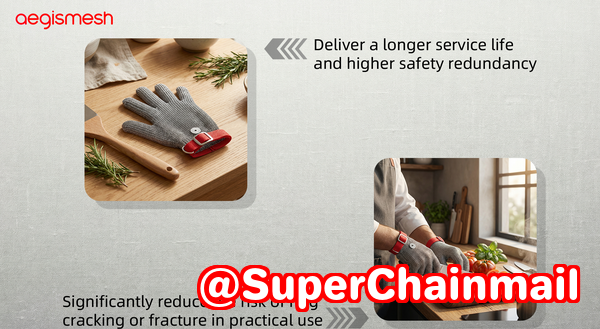
That’s why it’s crucial to know how to evaluate chainmail, especially for combat sports. In this post, I’ll walk you through how to identify the quality of steel-reinforced chainmail armor, and offer some tips that will help you avoid buying low-quality, unsafe options.
The Problem: Low-Quality Chainmail Can Let You Down
When you’re shopping for chainmail, you may come across a wide variety of optionssome of which may seem perfectly suitable for combat sports. However, as many buyers quickly find out, not all chainmail is created equal.
One of the most common issues I see is a lack of distinction between high-quality chainmail and cheaper, low-quality alternatives. I’ve had plenty of conversations with buyers who thought they were getting a bargain, only to find out that the product they purchased was made from low-grade materials, poorly constructed, or unsafe for the intended use.
This can result in armor that doesn’t protect properly, rings that snap easily, or corrosion that shortens the life of the product. In some cases, especially when purchasing chainmail for industrial applications like cut-resistant clothing, this could even lead to injury or damage to goods.
So, how can you ensure that the chainmail you’re purchasing is up to standard? That’s where the inspection process comes in.
How to Identify High-Quality Chainmail
Evaluating the quality of chainmail doesn’t require a magnifying glass or advanced technical knowledge. There are a few straightforward things you can look for when inspecting a piece. Let’s dive into the key points that make up high-quality chainmail.
1. Material Type: Stainless Steel is Key
The first thing to check is the material. High-quality chainmail for combat sports should always be made from stainless steel. Stainless steel offers durability, rust resistance, and strengthall essential characteristics for combat protection. You’ll often encounter two types of stainless steel in chainmail: 304 and 316 grades.
-
304 Stainless Steel: This is the more common of the two and provides great strength and corrosion resistance. It’s suitable for most combat sports.
-
316 Stainless Steel: While more expensive, 316 stainless steel offers superior corrosion resistance, making it the best choice for environments where the chainmail will be exposed to harsh conditions like water or chemicals. It’s especially useful for industrial applications.
2. Welding vs. Open Rings
Next, check the rings themselves. The quality of the rings determines the durability of your chainmail. Chainmail rings can either be welded or open. Welded rings are much stronger and more durable because they’re permanently joined together, unlike open rings, which can come apart under stress.
Here’s a simple test: Grab a few rings and try to pull them apart gently. If they’re welded, they shouldn’t separate easily. Open rings, on the other hand, may bend or pop apart.
Welded rings are essential for combat sports because they help ensure the chainmail holds together under force.
3. Wire Thickness & Inner Diameter
Wire thickness plays a huge role in the strength of the chainmail. Thicker wires provide greater protection but can make the chainmail heavier, so balance is important.
When inspecting chainmail for combat sports, look at the wire diameter and the inner diameter of the rings. The inner diameter should be consistent and fit snugly with the wire thickness.
-
For combat use, the wire should ideally be around 16-18 gauge. This is thick enough to provide protection while not being too bulky.
-
The ring diameter should also be proportionate to the gauge. Smaller rings with thicker wire offer better protection but may also reduce flexibility.
4. Weave Pattern: European 4-in-1 for Strength
When inspecting the weave pattern, the most commonly used for combat sports is the European 4-in-1 weave. This pattern is known for its strength and flexibility, offering protection without sacrificing mobility.
In this weave, each ring is connected to four other rings, creating a strong, interwoven structure. It distributes the force of a blow more evenly, reducing the risk of injury. If you’re looking at chainmail that doesn’t follow this weave, it might not offer the protection you need for combat sports.
5. Checking for Signs of Weakness
Once you’ve looked at the individual components, it’s time to inspect the whole piece. Look for signs of poor craftsmanship. Weak or inconsistent weaves, cracks in the welds, or uneven wire thickness all signal that the chainmail may not be up to par.
Some of the signs to look for include:
-
Rust or corrosion, especially near the rings.
-
Loose rings that aren’t securely connected.
-
Frayed or damaged wire, which could compromise the chainmail’s protective qualities.
Practical Tips for Evaluating Chainmail
Here’s how you can test your chainmail to make sure it’s up to standard:
-
Pull Test: Grab a few rings and give them a gentle tug. The rings should not separate easily.
-
Corrosion Check: Look at the surface of the chainmail. If there’s rust or tarnishing, it might be made from inferior material.
-
Weave Check: Look at the weave pattern closely. Is it consistent and even? A well-done weave will be tight and uniform.
-
Flexibility Test: Try bending the chainmail slightly. Does it offer flexibility? Chainmail for combat sports should move with you and not feel stiff or restrictive.
Why It Matters: Safety and Durability
In the world of combat sports, durability is everything. The last thing you want is to rely on chainmail that isn’t going to hold up under pressure. Proper chainmail ensures:
-
Better Protection: High-quality chainmail is better at absorbing and dispersing impact, reducing the risk of injury.
-
Longer Lifespan: Durable materials like stainless steel and solid welds mean your chainmail will last longer, even after repeated use.
-
Cost Efficiency: Investing in high-quality chainmail now means you’ll avoid needing replacements later on.
Conclusion: Inspect Before You Buy
After all is said and done, the best way to ensure you’re getting the best chainmail for your needs is to take the time to inspect it carefully. Whether you’re using it for combat sports, cosplay, or industrial applications, understanding what to look for can save you time, money, and most importantly, ensure your safety.
I highly recommend following these inspection tips to make sure that any chainmail you buy meets the high standards of safety and durability you need. Check out our detailed chainmail inspection guide today, and learn more about identifying high-quality chainmail products here.
FAQs
How can I tell if a chainmail ring is welded or open?
You can perform a simple pull test. Welded rings will remain intact, while open rings will separate under pressure.
Which stainless steel grade is best for long-lasting chainmail?
For the best durability and resistance to corrosion, choose 316 stainless steel. It’s ideal for harsh environments.
How do I inspect the weave pattern for strength?
Look for a consistent European 4-in-1 weave, where each ring is connected to four others. This pattern ensures strength and flexibility.
What are the signs of low-quality or unsafe chainmail?
Signs include rust, loose rings, inconsistent weave patterns, and thin or brittle wire.
Can decorative chainmail be used for protective purposes?
Decorative chainmail may look appealing but often lacks the durability and strength required for protection. Always check for quality before using it for safety.
How do I choose the right chainmail for industrial vs cosplay use?
For industrial applications, prioritize durability and cut resistance. For cosplay, aesthetic factors may matter more, but always check for basic durability and comfort.
Tags or Keywords: chainmail quality, welded rings, stainless steel chainmail, cut-resistant chainmail, chainmail inspection, European 4-in-1 weave