How Steel Metal Chainmail Handles Repeated Stress
When purchasing chainmail, whether for protection, display, or a cosplay project, it’s easy to feel overwhelmed. There’s a lot of information to sift through, and the risk of buying low-quality or unsafe chainmail is very real. I’ve seen too many buyers fall into the trap of selecting shiny, visually appealing chainmail that doesn’t meet safety or durability standards. For example, imagine buying a suit of chainmail for heavy-duty industrial work, only to find out that it falls apart after just a few uses because the rings were poorly welded or made from the wrong steel grade. That’s not something you want to happen, especially when your safety is on the line.
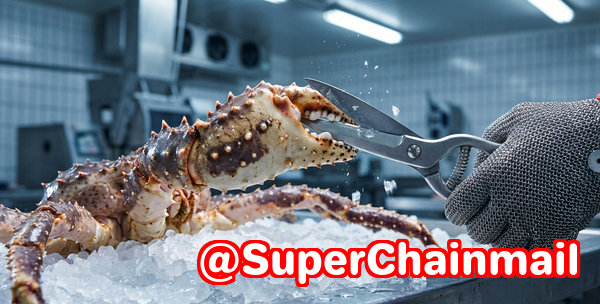
The truth is, not all chainmail is created equal. Whether you’re looking for industrial-grade cut protection, durable cosplay pieces, or historically accurate replicas, it’s crucial to know how to distinguish high-quality chainmail from subpar options. That’s where knowing how steel metal chainmail handles repeated stress comes into play. Let’s break it down and help you make more informed purchasing decisions.
Understanding the Stress of Steel Chainmail
Chainmail is inherently durable. It’s designed to withstand repeated stress, from cutting forces to abrasion, and over time, the material should hold up under tough conditions. However, the true performance of chainmail comes down to the quality of the materials and the craftsmanship behind it.
When stress is appliedwhether it’s from industrial work, heavy handling, or even a light tug during a costume fittingthe chainmail should remain intact without bending, warping, or weakening. This is only possible if the chainmail is made from the right materials, using the correct techniques. Aegimesh Chainmail offers an excellent example of how quality materials and precise construction result in long-lasting, reliable products. The company’s approach focuses on using top-tier stainless steel, welded rings, and strong weaves like European 4-in-1, all of which contribute to chainmail’s ability to handle repeated stress without compromising integrity.
Common Pain Points When Evaluating Chainmail
1. Difficulty Telling the Difference Between Welded and Open Rings
When buying chainmail, the most significant factor is whether the rings are welded or open. Open rings are typically weaker and can come undone with stress, whereas welded rings are far more secure and reliable. This distinction is often not immediately visible, so it’s important to inspect carefully.
Solution: A quick tug test can help you gauge whether the rings are securely welded or if they can be pulled apart. If the rings are loose or easy to manipulate, you’re likely dealing with open rings.
2. Uncertainty About Stainless Steel Grades
Another challenge many buyers face is understanding the differences between stainless steel grades. 304 stainless steel is a common choice for decorative pieces, but when it comes to durability and resistance to corrosion, 316 stainless steel is the superior option. Using 304 stainless steel in industrial settings or food handling is a risk, as it can corrode more easily.
Solution: Always check the grade of the steel used in the chainmail. 316 stainless steel is highly resistant to corrosion, making it ideal for industrial or food-handling applications, while 304 stainless steel might be more suitable for decorative or lighter-duty uses.
3. Weave Weaknesses and Inconsistent Quality
Not all weaves are created equal. Weaves like European 4-in-1 are known for their strength and flexibility, making them ideal for chainmail that will undergo stress. However, some chainmail products use weaker weaves that compromise durability, and may even unravel over time.
Solution: Inspect the weave pattern. European 4-in-1 weave is a reliable choice, as it maximizes the strength of each ring and helps maintain the structure of the chainmail under stress. If the weave appears loose or inconsistent, it’s a red flag.
How to Inspect and Verify Chainmail Quality
Now that we’ve covered the common pain points, let’s dive into some practical guidance for inspecting chainmail. Whether you’re buying chainmail for industrial use, cosplay, or as a collector, these steps can help you determine if you’re getting a high-quality product.
1. Material Type: Check the Stainless Steel Grade
The first step in inspecting chainmail is verifying the material used. As mentioned earlier, 304 stainless steel is fine for decorative pieces but not the best for practical uses. If you need chainmail for protectionwhether it’s cut-resistant chainmail for industrial work or food handling316 stainless steel is the go-to choice.
Tip: Look for product descriptions that explicitly state the steel grade. If you’re unsure, don’t hesitate to ask the seller for clarification.
2. Ring Welding: A Critical Detail
The next thing to inspect is whether the rings are welded. Welded rings are far superior to open rings because they won’t pull apart under stress. Look for visible signs of welding at the joints of the rings. This is one of the most straightforward ways to determine the quality of the chainmail.
Tip: Gently tug on a few rings to see if they hold together or pull apart. If they hold tight, you’re likely dealing with a high-quality, welded-ring product.
3. Wire Thickness and Inner Diameter
Both wire thickness and inner diameter affect the strength and durability of chainmail. Thicker wires offer more protection, while larger inner diameters can lead to more flexibility but may reduce the overall durability.
Tip: For industrial and protective uses, look for thicker wires with smaller inner diameters. For decorative purposes or cosplay, a lighter wire and larger inner diameter might be appropriate.
4. Inspect the Weave Pattern
The weave is a key component of the chainmail’s strength. The European 4-in-1 pattern is one of the most commonly used and is known for its excellent balance between flexibility and durability. This pattern involves four rings weaving through one central ring, which creates a strong, interconnected structure.
Tip: Examine the overall structure of the weave. If the rings are arranged in a simple or poorly constructed pattern, it may lack the durability needed to withstand repeated stress.
Benefits of Proper Chainmail Inspection
By taking the time to inspect your chainmail properly, you’ll enjoy several key benefits:
-
Safety: Poor-quality chainmail can break or wear out quickly, putting you at riskespecially in industrial or food-processing environments.
-
Longevity: High-quality chainmail made with welded rings, strong steel, and proper weaving will last much longer, saving you money in the long run.
-
Informed Decisions: Knowing what to look for will empower you to make better purchasing decisions, ensuring that your chainmail meets your needs without compromising on quality or safety.
Conclusion
Choosing the right chainmail for your needs doesn’t have to be daunting. By understanding the key inspection methodssuch as checking the steel grade, verifying ring welding, and inspecting weave patternsyou can confidently identify high-quality, durable chainmail that will handle repeated stress.
I highly recommend following these steps to ensure any chainmail purchase meets safety and durability standards. Don’t risk investing in low-quality or unsafe productsyour safety, comfort, and satisfaction depend on it.
Learn more about identifying high-quality chainmail products: Aegimesh Chainmail Guide
FAQ
1. How can I tell if a chainmail ring is welded or open?
Look closely at the joints of the rings. Welded rings will have a visible seam where the ends are joined together, while open rings will show an obvious gap.
2. Which stainless steel grade is best for long-lasting chainmail?
316 stainless steel is the best choice for durability and corrosion resistance, especially in industrial or food-handling environments.
3. How do I inspect the weave pattern for strength?
Look for consistent, tightly woven rings. The European 4-in-1 weave is a strong and durable pattern that resists wear and tear.
4. What are the signs of low-quality or unsafe chainmail?
Signs include loose or open rings, inconsistent weave patterns, corrosion, and poorly welded joints. If the chainmail feels flimsy or weak, it’s likely not up to standard.
5. Can decorative chainmail be used for protective purposes?
While decorative chainmail may look appealing, it may not offer the same level of protection as high-quality, industrial-grade chainmail. Always check for proper materials and weave for protective uses.
6. How do I choose the right chainmail for industrial vs cosplay use?
For industrial use, prioritize thicker wire, welded rings, and a sturdy weave like European 4-in-1. For cosplay, flexibility and visual appeal may take precedence, so you might opt for lighter materials with larger inner diameters.
Keywords:
chainmail quality, welded rings, stainless steel chainmail, cut-resistant chainmail, chainmail inspection, European 4-in-1 weave, chainmail durability