How Steel Chainmail Protects Against Modern-Day Threats
When you’re in the market for chainmailwhether it’s for protection at work, cosplay, or a historical displaychoosing the right product can feel overwhelming. It’s not just about the look; it’s about safety, durability, and making sure you get what you pay for. I can’t tell you how many times I’ve heard from buyers, “How can I be sure my chainmail is high quality?” or “I’m worried about spending money on something that isn’t as tough as it looks.” If you’re one of those people, you’re not alone.
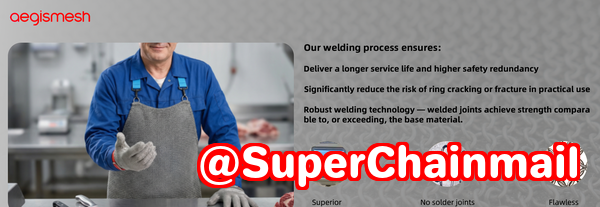
High-quality chainmail is essential for industries like food processing or industrial settings, where cut protection is crucial. It’s equally important for anyone looking for chainmail for cosplay, historical reenactments, or even collectors who want to ensure they’re getting the best. The problem is, not all chainmail is made equal. Some products might look similar on the surface, but there’s a huge difference in how well they’ll stand up to the task. That’s where knowing how to evaluate chainmail comes into play.
I’ve put together this guide to help you identify quality steel chainmail products, whether you’re looking for something protective or decorative. Let’s dive into how you can spot the difference between a product that will keep you safe (or make your costume look great) and one that might just be a waste of money.
Common Pitfalls in Evaluating Chainmail Quality
1. Welding vs. Open Rings
It’s easy to assume that all chainmail rings are the same. However, there’s a world of difference between welded rings and open rings. Welded rings are securely fused together, making them far more durable and suitable for protective use. Open rings, on the other hand, might be cheaper, but they can be weak and prone to breaking under stress.
2. Stainless Steel Grades
When you’re looking for chainmail for protection, especially in industries like food processing or manufacturing, the type of stainless steel used is crucial. But how do you know what’s the best? There are two common grades304 and 316 stainless steel. 304 is durable, but 316 is more resistant to corrosion, making it ideal for long-term wear and tear, especially if the chainmail will be exposed to harsh environments.
3. Inconsistent Weaving
Chainmail isn’t just a bunch of rings strung together; the way those rings are woven makes a huge difference in its strength. One of the most common patterns is the European 4-in-1 weave, which offers excellent durability and flexibility. However, some cheaper brands cut corners by using weak or inconsistent weaves, resulting in chainmail that won’t stand up to the job.
How to Inspect Chainmail Like a Pro
At this point, you might be wondering, “How can I tell if a product is high-quality?” Don’t worryI’ve got you covered. There are several key factors you can inspect yourself to ensure you’re getting your money’s worth. Here’s a step-by-step guide to checking the quality of chainmail:
1. Material Type: 304 vs. 316 Stainless Steel
What’s the difference?
-
304 stainless steel: Affordable and sturdy, but can rust if exposed to moisture over time.
-
316 stainless steel: More corrosion-resistant, making it ideal for environments with humidity or exposure to water.
How to check?
Look at the product detailsmost reputable sellers will specify the grade of stainless steel used. If you can’t find this information, ask the seller. For food processing or industrial use, I highly recommend 316 stainless steel for maximum protection.
2. Ring Welding: Is it Welded or Open?
Welded rings are your best bet. To check, gently pull a ring apart. If it’s welded, it will stay intact. Open rings can easily be separated by hand, and while they might look similar to welded rings, they aren’t nearly as durable.
Why does it matter?
Welded rings create a stronger, more durable chainmail that will stand up to stress and wear. Open rings, on the other hand, might fall apart over time, especially under heavy use.
3. Wire Thickness & Inner Diameter
The wire thickness and ring diameter are two crucial factors that impact the strength of your chainmail. A thicker wire offers greater resistance to cuts and abrasions, while a smaller inner diameter can make the weave more compact and sturdy.
What to look for:
-
Thicker wire means stronger protection, but it can also be heavier. If you’re looking for something lightweight, balance the thickness with a slightly larger ring diameter.
-
Smaller inner diameters are better for protective uses like food handling or industrial jobs, as they create a more compact weave.
4. Weave Pattern: European 4-in-1
The European 4-in-1 weave is the gold standard when it comes to strength. This weave pattern links each ring to four others, creating a flexible but strong mesh. If the product you’re considering doesn’t follow a traditional weave, it might not offer the same level of protection or durability.
How to check the weave?
Look at the patternif it resembles the traditional 4-in-1 design, that’s a good sign. Irregular or inconsistent weaves are a red flag that the product may not hold up as expected.
The Benefits of Proper Chainmail Inspection
Investing time in checking the quality of chainmail before buying can save you money and prevent potential safety issues down the road. Here are a few key benefits of taking these inspection steps:
-
Avoid Unsafe Purchases: If you’re using chainmail for industrial or food handling purposes, low-quality chainmail can result in dangerous failures. You don’t want to risk injury or contamination due to weak material.
-
Ensure Durability: A solidly made piece of chainmail can last years, even with heavy use. If you take the time to inspect and verify quality, you’ll end up with a durable, long-lasting product.
-
Save Money: Spotting a low-quality product before purchase means you won’t be wasting your money on something that won’t serve its purpose.
-
Better for Cosplay & Collecting: Whether you’re looking for a stunning piece for cosplay or a historical collection, understanding the quality helps ensure your purchase will look great and last.
Conclusion: Making the Best Chainmail Purchase
As I mentioned earlier, buying chainmail isn’t just about aestheticsit’s about durability and safety. Whether you’re using chainmail for industrial work, food processing, cosplay, or collecting, you need to know what you’re buying.
By following the inspection steps I’ve outlinedchecking for welded rings, evaluating stainless steel grade, inspecting wire thickness, and ensuring the correct weaveyou can confidently purchase high-quality chainmail that will stand up to the test. I highly recommend following these steps to ensure any chainmail purchase meets safety and durability standards.
Ready to take the next step? If you want more in-depth guidance, be sure to check out our chainmail inspection guide today.
Learn more about identifying high-quality chainmail products
FAQ
1. How can I tell if a chainmail ring is welded or open?
Simply pull on a ring. If it’s welded, it won’t come apart. Open rings can be separated by hand.
2. Which stainless steel grade is best for long-lasting chainmail?
316 stainless steel is the most corrosion-resistant and ideal for long-lasting durability, especially in humid or harsh environments.
3. How do I inspect the weave pattern for strength?
Look for the European 4-in-1 weave, which is a tightly interwoven design that ensures strength and flexibility.
4. What are the signs of low-quality or unsafe chainmail?
Weak or inconsistent weaves, open rings, thin wire, or a lack of information about the material type are all red flags.
5. Can decorative chainmail be used for protective purposes?
Generally, no. Decorative chainmail may look nice but often lacks the durability or strength needed for protection. Always check the materials and weave before use.
6. How do I choose the right chainmail for industrial vs cosplay use?
For industrial use, prioritize durability and protection by choosing welded rings, thicker wire, and a tight weave. For cosplay, focus on appearance and comfort, but still consider quality to avoid cheap imitations.
Tags or Keywords
-
chainmail quality
-
welded rings
-
stainless steel chainmail
-
cut-resistant chainmail
-
chainmail inspection
-
European 4-in-1 weave