How Proper Fit Improves Chainmail Glove Protection
When I first bought my chainmail gloves for food preparation, I quickly realized that not all chainmail is created equal. Some gloves felt loose, floppy, or even flimsy, while others fit snugly and offered real confidence when slicing vegetables or handling sharp tools. It turns out that the protection chainmail provides isn’t just about the materialit’s about the fit, the weave, and the quality of the rings themselves. Understanding how to evaluate these factors can make a huge difference, whether you’re buying for industrial use, cosplay, or historical reenactment.
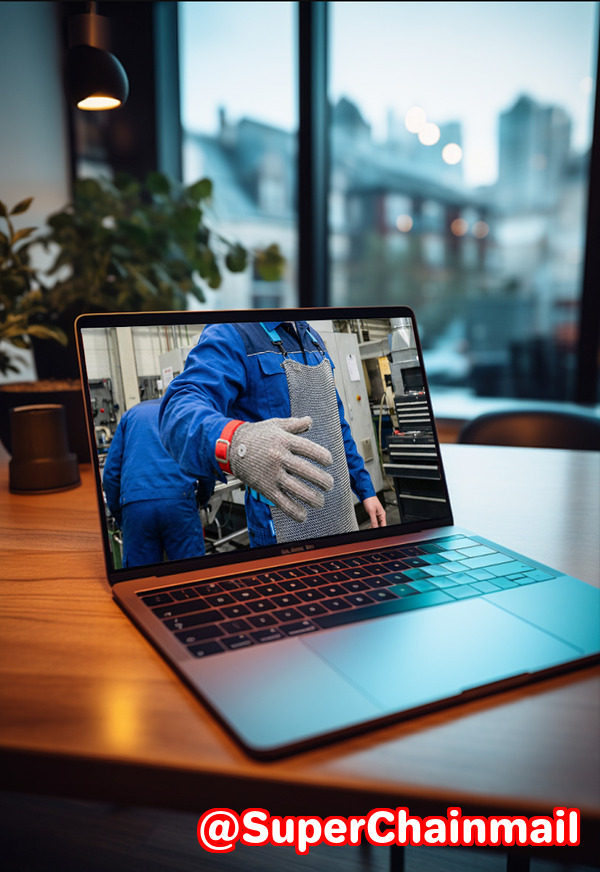
I’ve spent years testing, wearing, and inspecting chainmail gloves, and one thing became clear: poorly fitting or low-quality chainmail isn’t just frustratingit’s unsafe. In this guide, I’ll walk you through how to spot high-quality chainmail, check welded rings, assess stainless steel types, evaluate weave patterns like the European 4-in-1, and ensure your gloves truly protect your hands.
Why Fit Matters for Chainmail Gloves
Imagine reaching for a knife and feeling the chainmail sleeve slide down your wrist, exposing skin with every movement. That’s exactly what happens when gloves are oversized or loosely woven. Proper fit keeps the rings snug against your hand, distributing force evenly and preventing sharp edges from penetrating.
Here’s what happens when gloves don’t fit properly:
-
Loose gloves allow gaps where knives or tools can slip through.
-
Tight but poorly made gloves can constrict motion, reducing dexterity and increasing fatigue.
-
Inconsistent fit across fingers can cause certain areas to wear out faster, creating weak points.
The key takeaway? Fit isn’t just comfortit’s a safety feature.
Common Challenges When Evaluating Chainmail Quality
Even experienced buyers can struggle to identify quality chainmail. Some of the most common issues I see include:
1. Distinguishing Welded Rings from Open Rings
Open rings are easy to pull apart and are common in decorative or low-cost chainmail. Welded rings, in contrast, are closed securely, forming the backbone of durable, cut-resistant gloves. Failing to check this can lead to gloves that fail under minimal stress.
2. Understanding Stainless Steel Grades
Not all stainless steel is equal. 304 stainless steel offers good corrosion resistance and is suitable for many applications. 316 stainless steel, however, is superior for high-moisture environments like food processing or marine use. Using the wrong grade can result in rust, reduced lifespan, and compromised protection.
3. Weak or Inconsistent Weave Patterns
The European 4-in-1 weave is standard for strong, protective chainmail. But some products cut corners, using inconsistent patterns or skipping rings, which drastically reduces strength and durability. A glance at the weave can reveal whether the product is professional-grade or merely decorative.
How to Inspect Chainmail Gloves Step by Step
Over the years, I’ve developed a simple checklist to quickly evaluate chainmail quality before committing to a purchase. Here’s how I approach it:
1. Check the Material
-
Verify whether it’s 304 or 316 stainless steel.
-
Inspect the finish for corrosion, discoloration, or rough spots.
2. Examine the Rings
-
Look closely at each ring’s seam to ensure it’s fully welded.
-
Measure wire thickness and inner diameter; thicker wires typically mean higher cut resistance.
3. Evaluate the Weave
-
Identify the European 4-in-1 pattern: each ring should link to four others in a consistent grid.
-
Check for irregular gaps, overlapping rings, or loose links.
4. Fit Test
-
Wear the gloves and flex each finger. Movement should be natural but snug.
-
Check that no areas bunch up or leave gaps where skin could be exposed.
5. Simple Pull Test
-
Gently pull individual rings to ensure welds hold.
-
Test stress points like knuckles and wrists where gloves are most likely to be impacted.
By following these steps, you can distinguish professional-grade Aegimesh chainmail from lower-quality alternatives.
Practical Tips from Real-Life Scenarios
I remember a chef friend who bought a discounted pair of chainmail gloves online. Within a month, the seams on the fingers started to separate, leaving him nervous during prep work. He could have avoided this by:
-
Confirming welded rings instead of assuming all chainmail is welded.
-
Checking wire thickness and weave before purchase.
-
Trying on the gloves or requesting measurements to ensure proper fit.
For cosplayers or historical reenactors, the stakes might be lower, but durability still matters. A loose glove may snag on props or costumes, while a properly fitted, high-quality chainmail piece lasts for years.
Here are my favorite quick tips for buyers:
-
Look beyond aesthetics: A shiny glove isn’t necessarily strong.
-
Ask for steel grade info: Always confirm if it’s 304 or 316 stainless steel.
-
Test for flexibility: Snug gloves with easy movement are ideal.
-
Avoid glued or decorative-only chainmail for protective use.
Benefits of Proper Chainmail Inspection
Investing a few minutes to inspect gloves before purchase saves money, prevents injury, and guarantees peace of mind. Here’s what proper inspection offers:
-
Industrial and food-processing safety: Prevent cuts and contamination risks.
-
Durability for cosplay and collectibles: Avoid worn-out, fragile pieces that fail under minor stress.
-
Cost efficiency: Identifying low-quality products upfront avoids replacements or accidents.
I’ve personally tested dozens of gloves, and those passing a thorough Aegimesh-style inspection never let me down in demanding tasks.
Choosing the Right Chainmail for Your Use
Not all chainmail is suitable for every purpose. Here’s a quick guide:
-
Industrial cut protection: 316 stainless steel, European 4-in-1 weave, welded rings, snug fit.
-
Food handling: 304 stainless steel, corrosion-resistant finish, flexible European 4-in-1.
-
Cosplay or display: Aesthetic finish may be prioritized, but welded rings and consistent weave still improve durability.
-
Historical replicas: Focus on accurate ring size, wire thickness, and traditional weave patterns.
Matching the right type of chainmail to your activity ensures both safety and comfort.
Conclusion
High-quality chainmail is more than just interlinked ringsit’s about fit, weld integrity, material grade, and weave consistency. By inspecting rings for welds, checking stainless steel type, measuring wire thickness, and performing simple pull and fit tests, you can confidently identify durable, protective gloves.
I highly recommend following these steps to ensure any chainmail purchase meets safety and durability standards. Avoid surprises, prevent injuries, and make sure your investment lasts for years.
Learn more about identifying high-quality chainmail products: Aegimesh Chainmail
Check out our detailed chainmail inspection guide today.
Frequently Asked Questions
1. How can I tell if a chainmail ring is welded or open?
Inspect the seam closely. Welded rings have no gap, while open rings may show a visible split that can be pulled apart easily.
2. Which stainless steel grade is best for long-lasting chainmail?
316 stainless steel offers the best corrosion resistance for high-moisture or industrial environments, though 304 is also durable for most applications.
3. How do I inspect the weave pattern for strength?
Look for the European 4-in-1 weave, where each ring links with four others. Consistency and lack of gaps indicate strong construction.
4. What are the signs of low-quality or unsafe chainmail?
Loose rings, visible seams, inconsistent weave, thin wire, and poor fit are common red flags.
5. Can decorative chainmail be used for protective purposes?
Usually not. Decorative chainmail may lack welded rings or proper wire thickness, making it unsafe for industrial or food-processing use.
6. How do I choose the right chainmail for industrial vs cosplay use?
Industrial use prioritizes weld integrity, stainless steel grade, and fit. Cosplay may focus on aesthetics but still benefits from durable construction.
7. How do I perform a quick quality check at home?
Try a simple pull test on a few rings, inspect the weave pattern, check for corrosion, and ensure the gloves fit snugly without restricting movement.
Tags/Keywords:
chainmail quality, welded rings, stainless steel chainmail, cut-resistant chainmail, chainmail inspection, European 4-in-1 weave, chainmail durability, chainmail gloves, industrial chainmail, cosplay chainmail