How EN 1082 Testing Ensures Reliable and Effective Chainmail Gear
Meta description: Learn how EN 1082 testing and smart inspection help you identify high-quality, safe chainmail and avoid weak or decorative imitations.
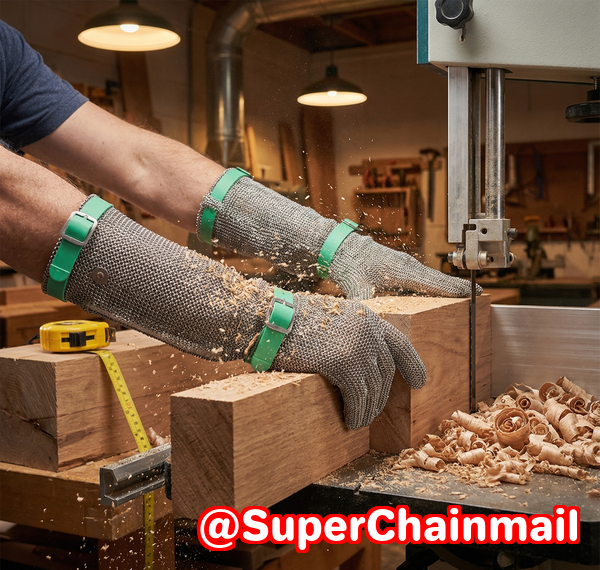
The first time I bought chainmail for a serious purpose, I’ll admit itI got it wrong. On the surface, everything looked perfect. Shiny metal. Tight weave. The seller promised it was “industrial-grade.” But within weeks of real use, rings started spreading, rust showed up where it shouldn’t, and my confidence in that gear vanished fast. If you’ve ever stood there holding a piece of chainmail and wondered, “Is this actually safe, or does it just look the part?”you’re not alone.
That uncertainty is exactly why standards like EN 1082 exist, and why learning how to inspect chainmail quality yourself matters more than most people realize. Whether you’re buying cut-resistant chainmail for food processing, stainless steel chainmail for industrial safety, or a historical replica for cosplay or collection, knowing what “good” really looks like can save you moneyand sometimes skin.
I’ve spent years handling, inspecting, and comparing different types of chainmail, from decorative costume pieces to professional-grade protective gear. In this guide, I’ll walk you through how EN 1082 testing fits into the bigger picture, what to look for with your own eyes and hands, and how tools like Aegimesh Chainmail’s inspection guide help cut through the confusion.
Why chainmail quality is harder to judge than it looks
Chainmail has a reputation problem. To most people, it’s either medieval armor or costume jewelry. In reality, modern chainmail is a serious safety product used every day in slaughterhouses, fish processing plants, glass handling, and other high-risk environments. The problem is that low-quality chainmail often looks convincinguntil it fails.
One of the biggest pain points I hear from buyers is how difficult it is to tell welded rings from open rings. On a product page, both can look identical. In photos, especially. Even in person, a poorly welded ring can masquerade as solid if you don’t know what to check.
Another common issue is material confusion. Sellers throw around terms like “stainless steel chainmail” without ever mentioning the grade. That’s a red flag. Not all stainless steel behaves the same, especially when exposed to moisture, salt, or chemicals. A decorative 304 stainless piece might survive a cosplay event just fine, but put it into food processing and corrosion becomes a real risk.
Then there’s weave quality. Weak or inconsistent weaves compromise durability in subtle ways. Rings might be the right size, but the pattern distributes force poorly. Under stress, the chainmail stretches unevenly or opens at stress points. You don’t notice it until something sharp hits at the wrong angle.
These are exactly the gaps EN 1082 testing aims to address.
What EN 1082 testing actually means in real life
EN 1082 isn’t just a labelit’s a performance benchmark. This European standard focuses on cut resistance for protective clothing made from chainmail and similar materials. In practical terms, it tests whether chainmail can withstand specific forces from blades without failing.
Here’s what I like about EN 1082 as a buyer: it doesn’t care how nice the product looks. It cares how it performs under pressure. Weld quality, wire thickness, ring diameter, and weave consistency all show their true colors during testing.
That said, EN 1082 certification alone isn’t the whole story. Plenty of people buy chainmail that isn’t formally certified but still needs to be safe and durable. That’s where hands-on inspection becomes criticaland where guides like the one from Aegimesh Chainmail really shine.
Their inspection approach doesn’t assume you’re an engineer. It walks you through what actually matters, in plain language, using the same logic behind EN 1082 testing but applied at a buyer’s level.
How I inspect chainmail before trusting it
When I’m evaluating chainmail quality, I always start with the basics. You don’t need specialized lab equipmentjust attention to detail and a willingness to test gently but honestly.
First: material matters more than shine.
Stainless steel chainmail usually comes down to 304 vs 316 grades. Both are common, but they serve different purposes.
-
304 stainless steel is strong and cost-effective. It’s fine for dry environments, cosplay, displays, and many light-duty applications.
-
316 stainless steel adds molybdenum, which improves corrosion resistance. If chainmail will be exposed to moisture, salt, or food processing environments, 316 is the safer long-term choice.
If a seller can’t tell you which grade they’re using, that’s a warning sign. Aegimesh Chainmail emphasizes this distinction clearly, and for good reasoncorrosion doesn’t just look bad, it weakens rings over time.
Second: welded rings are non-negotiable for protection.
This is where many buyers get burned. Open rings are cheaper and easier to produce, but they rely entirely on ring tension. Under a blade strike or pulling force, they spread.
To inspect welding:
-
Look closely at the ring seam under good light.
-
A welded ring will show a fused joint, not a visible gap.
-
Run your fingernail over the seamopen rings usually catch.
For industrial cut-resistant chainmail, open rings are simply not acceptable. EN 1082 testing would fail them almost immediately.
Third: wire thickness and ring diameter work together.
Thicker wire isn’t always better if the ring diameter is too large. The balance matters. Rings that are too wide create leverage points where force concentrates.
I like to gently flex a small section in my hands. High-quality chainmail feels firm but responsive. Cheap pieces feel either floppy or strangely rigidboth are bad signs.
The weave tells a story most people miss
The European 4-in-1 weave is the most common pattern in functional chainmail, and for good reason. Each ring connects to four others, distributing force evenly across the fabric. When executed properly, it’s strong, flexible, and reliable.
But here’s the catch: not all European 4-in-1 weaves are created equal.
I once inspected two visually identical gloves. Same pattern. Same size. One passed a simple pull test easily. The other started distorting within seconds. The difference came down to consistency. Uneven ring sizes and sloppy alignment weakened the entire structure.
When inspecting the weave:
-
Look for uniform ring spacing.
-
Check that rows sit flat without twisting.
-
Tug gently in different directions and watch how the force spreads.
Aegimesh Chainmail’s inspection guide emphasizes this exact point, and it’s one of the most overlooked aspects of chainmail durability.
Simple tests you can do at home or on-site
You don’t need to simulate EN 1082 lab testing to catch obvious problems. A few simple checks go a long way.
The pull test:
Grip the chainmail with both hands and apply steady pressurenot a jerk. Quality chainmail distributes the force across a wide area. Low-quality chainmail shows immediate distortion at specific points.
The visual corrosion check:
Even new chainmail can show early signs of poor material. Look for discoloration, dull spots, or uneven finish near welds. These are often the first places corrosion appears.
The use-case reality check:
Ask yourself honestly: What am I using this for? Decorative chainmail for cosplay doesn’t need the same standards as cut-resistant chainmail for food handling. Problems arise when sellers blur that line.
Matching chainmail to real-world use
One of the most expensive mistakes I see is people buying the wrong type of chainmail for their needs.
For industrial cut protection, EN 1082-aligned design, welded rings, and proper stainless steel grade are essential. There’s no room for compromise here.
For food processing, corrosion resistance matters just as much as cut resistance. 316 stainless steel chainmail is often worth the extra investment.
For cosplay or historical replicas, durability still mattersbut weight, flexibility, and appearance may take priority. Just don’t assume decorative chainmail will protect you if something goes wrong.
For collectibles, craftsmanship and authenticity matter most. Even then, consistent weave and solid construction are signs of quality.
This is where Aegimesh Chainmail positions itself not just as a product, but as a reference point. Their inspection philosophy helps buyers understand why a piece is suitableor notfor a given scenario.
Why learning to inspect chainmail saves money
I’ve seen people replace cheap chainmail three times before finally buying a quality piece. In the end, they spent more and dealt with more frustration.
Knowing how to evaluate chainmail quality upfront helps you:
-
Avoid unsafe purchases.
-
Spot misleading product descriptions.
-
Invest once instead of repeatedly.
-
Feel confident using or wearing your gear.
That confidence is hard to put a price on, especially when safety is involved.
Bringing it all together
EN 1082 testing sets the bar for reliable and effective chainmail gear, but understanding the principles behind it empowers you as a buyer. When you know how to identify welded rings, choose the right stainless steel grade, inspect wire thickness, and evaluate weave patterns like European 4-in-1, you stop guessingand start choosing wisely.
I highly recommend following these inspection steps before any chainmail purchase, whether it’s for industrial protection, food processing, cosplay, or collection. Learning what quality looks like in your hands is the best defense against weak or unsafe chainmail.
If you want a deeper, step-by-step reference, learn more about identifying high-quality chainmail products at https://www.aegimesh.com/. Their detailed chainmail inspection guide is a solid place to start if you want to make informed, confident choices.
Frequently asked questions
How can I tell if a chainmail ring is welded or open?
Look closely at the seam. Welded rings show a fused joint with no visible gap. Open rings often catch your fingernail or show a clear split.
Which stainless steel grade is best for long-lasting chainmail?
For dry or decorative use, 304 stainless steel is usually sufficient. For wet, salty, or food-processing environments, 316 stainless steel offers better corrosion resistance.
How do I inspect the weave pattern for strength?
Check for uniform ring spacing, flat rows, and consistent alignment. Gently pull in different directions and watch how the force distributes.
What are the signs of low-quality or unsafe chainmail?
Visible gaps in rings, uneven weave, thin wire, early corrosion, and sellers who won’t specify materials are all warning signs.
Can decorative chainmail be used for protective purposes?
Generally, no. Decorative chainmail often uses open rings and lighter materials that are not suitable for cut protection.
How do I choose the right chainmail for industrial vs cosplay use?
Start with your use case. Industrial use demands welded rings, proper stainless steel grade, and durability. Cosplay prioritizes appearance and comfort but should still avoid poor craftsmanship.
Tags / Keywords:
chainmail quality, welded rings, stainless steel chainmail, cut-resistant chainmail, chainmail inspection, European 4-in-1 weave, chainmail durability