How EN 1082 Informs the Design and Production of Cut-Resistant Gear
When I first started looking for chainmail that was more than just decorative, I’ll be honestI felt a little lost. The photos online all looked impressive. Everything claimed to be “cut-resistant,” “professional grade,” or “made from stainless steel.” But when you actually need chainmail for safety, food handling, or serious long-term use, guessing wrong isn’t just frustrating. It can be dangerous.
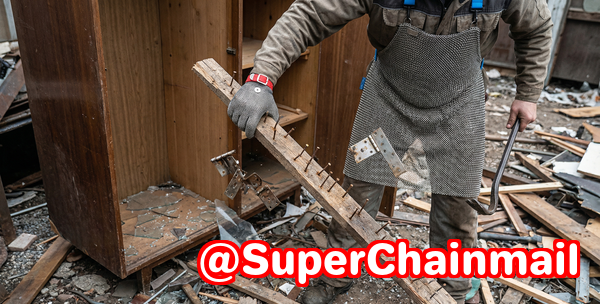
This is exactly where standards like EN 1082 quietly shape the world of cut-resistant chainmail, even if most buyers never see the standard itself. Understanding how EN 1082 influences design and production makes it much easier to separate truly high-quality chainmail from cheap imitationsand that’s what I want to walk you through here.
If you’ve ever wondered whether the chainmail you’re holding is genuinely protective or just looks the part, you’re in the right place.
When purchasing chainmail for protection or even long-term display, one of the most common concerns I hear is, “How do I know this is actually high quality?” That question comes up from industrial buyers sourcing cut-resistant gloves, cosplayers investing in armor, collectors buying replicas, and even food-processing professionals who rely on stainless steel chainmail daily.
The problem is that chainmail quality isn’t obvious at first glance. Two pieces can look nearly identical, yet behave very differently under stress. EN 1082 exists to reduce that uncertainty by defining performance expectations for cut-resistant gear, and manufacturers who take it seriously design their products very differently from those who don’t.
The real pain points buyers run into
Over the years, I’ve noticed the same issues popping up again and again when people evaluate chainmail quality.
The first pain point is welded rings versus open rings.
On a product page, everything is “welded.” In reality, many low-cost products use butted or poorly fused rings that can pull apart under pressure. I’ve personally seen gloves fail a basic pull test within seconds because the welds were inconsistent or incomplete.
The second pain point is confusion around stainless steel grades.
“Stainless steel” sounds reassuring, but it’s not a single material. Some chainmail rusts within months in humid environments, while others survive years of daily washdowns. Buyers often don’t know whether they’re getting 304 stainless steel, 316 stainless steel, or something much cheaper with a shiny coating.
The third pain point is weak or inconsistent weave patterns.
A chainmail weave isn’t just decorative. The way rings interlock directly affects how force is distributed. Poorly executed European 4-in-1 weaves, uneven ring sizes, or thin wire can drastically reduce durabilityeven if the material itself is decent.
These pain points are exactly why standards like EN 1082 matter. They push manufacturers to think beyond appearance and focus on real-world performance.
How EN 1082 influences chainmail design in plain language
I won’t drown you in regulatory jargon. At its core, EN 1082 focuses on cut resistance, structural integrity, and consistency. That mindset shapes how quality chainmail is designed and produced.
First, materials matter. Chainmail intended for cut-resistant applications is typically made from stainless steel with predictable strength and corrosion resistance. This is why you’ll often see 304 or 316 stainless steel used in serious cut-resistant chainmail. These grades aren’t chosen randomlythey offer a balance of hardness, flexibility, and resistance to corrosion.
Second, ring construction is critical. Welded rings aren’t optional when safety is involved. EN 1082-inspired production emphasizes strong, consistent welding so rings don’t open under stress. Even a single weak weld can compromise an entire section.
Third, uniformity is non-negotiable. Wire thickness, ring diameter, and weave pattern must remain consistent throughout the piece. Inconsistent construction creates weak points, and weak points are exactly where failures occur.
This is where guides like Aegimesh Chainmail become usefulnot as marketing fluff, but as a practical reference for what good design actually looks like in your hands.
How I personally inspect chainmail quality step by step
When I evaluate chainmail, I follow a simple inspection routine that anyone can do without special tools.
1. Check the material first
If a seller can’t clearly state whether the chainmail is made from 304 or 316 stainless steel, that’s a red flag.
-
304 stainless steel is excellent for general use, cosplay, and many industrial environments.
-
316 stainless steel offers better corrosion resistance and is often preferred for food processing or wet conditions.
I always look for documentation or clear product descriptions. Vague phrases like “stainless-like” or “rust resistant finish” usually mean shortcuts were taken.
2. Inspect the welded rings closely
I hold the chainmail up to the light and look at the ring closures. A proper weld should appear smooth and complete, not cracked or uneven. If I can see obvious gaps, I move on.
A quick tip I use: gently flex a section between my fingers. Welded rings should move slightly but not deform or separate.
3. Measure wire thickness and ring diameter visually
You don’t need calipers to notice inconsistencies. High-quality chainmail looks uniform. Rings should be the same size, and the wire thickness should feel substantialnot flimsy.
Thin wire can save manufacturers money, but it also reduces durability dramatically.
4. Examine the weave pattern
The European 4-in-1 weave is common for a reason. Each ring connects to four others, spreading force evenly. When inspecting this weave, I check for:
-
Even spacing
-
No twisted or misaligned rings
-
Consistent tension throughout the piece
A sloppy weave often indicates rushed production.
Why proper inspection actually saves money
One of the biggest misconceptions is that high-quality chainmail is always expensive. In reality, poorly made chainmail is what costs you more over time.
I’ve talked to food-processing managers who replaced cheap gloves three times in a year due to corrosion and broken rings. Meanwhile, properly made stainless steel chainmail lasted several years with basic maintenance.
For cosplayers and collectors, the stakes are different but still real. Decorative chainmail that stretches or deforms can ruin a costume mid-event. Historical replicas that fall apart lose their value quickly.
A few minutes of chainmail inspection upfront prevents wasted money, safety risks, and frustration later.
Matching chainmail type to real-world use
Not all chainmail needs to meet the same standards, and that’s okayas long as you’re honest about how it will be used.
For industrial cut protection, such as meat processing or glass handling, welded rings and stainless steel are non-negotiable. EN 1082-inspired design principles matter most here.
For food processing, corrosion resistance becomes just as important as cut resistance. This is where 316 stainless steel chainmail often shines.
For cosplay or display, you may prioritize weight and appearance. Still, even decorative chainmail benefits from good weave consistency and solid materials if you want it to last.
For historical replicas and collectibles, authenticity matters, but durability still plays a roleespecially if the piece will be worn.
This is why I often point people toward the Aegimesh Chainmail inspection guide. It doesn’t push a single “best” option. It helps you choose what’s right for your use case.
Simple tests you can do at home
You don’t need a lab to spot low-quality chainmail.
The pull test
Grip a small section with both hands and apply steady pressure. You’re not trying to break itjust see how it reacts. Welded rings should hold firm without visible separation.
The corrosion check
Look closely at areas where moisture might collect. Early signs of rust, discoloration, or flaking are warning signs, especially for stainless steel chainmail.
The sound test
This sounds odd, but experienced users know it. High-quality chainmail has a consistent, solid sound when moved. Cheap chainmail often sounds tinny or uneven due to inconsistent materials.
Common mistakes I see people make
One mistake is assuming heavier always means better. Weight matters, but so does design. Poorly welded heavy rings can still fail.
Another mistake is trusting photos alone. Lighting can hide open rings and thin wire. Whenever possible, inspect the chainmail in person or buy from a source that explains their quality standards clearly.
Finally, many people ignore weave integrity entirely. A beautiful finish won’t compensate for a weak weave.
Why EN 1082 still matters even if you’re not certified
Even if you’re not buying certified protective gear, EN 1082 influences best practices across the industry. Manufacturers who understand it tend to build chainmail with better materials, stronger welds, and more consistent construction.
As a buyer, you benefit from knowing what those principles look like in practice. You don’t need to memorize the standardyou just need to know how to inspect the results.
Wrapping it all together
After years of handling different types of chainmail, one thing is clear to me: quality leaves clues. Welded rings, proper stainless steel grades, consistent wire thickness, and strong weave patterns don’t happen by accident. They’re the result of thoughtful design shaped by real-world safety standards like EN 1082.
I highly recommend following these inspection steps to ensure any chainmail purchase meets safety and durability standards. Whether you’re buying for industrial cut protection, food handling, cosplay, or collecting, a little knowledge goes a long way.
Learn more about identifying high-quality chainmail products: https://www.aegimesh.com/
Check out our detailed chainmail inspection guide today and make your next purchase with confidence.
Frequently Asked Questions
How can I tell if a chainmail ring is welded or open?
Look closely at the ring closure. Welded rings have a smooth, sealed joint, while open rings show a visible gap or overlap.
Which stainless steel grade is best for long-lasting chainmail?
Both 304 and 316 stainless steel are excellent. For wet or food-processing environments, 316 offers superior corrosion resistance.
How do I inspect the weave pattern for strength?
Check for consistent spacing, uniform ring size, and a proper European 4-in-1 weave where each ring connects to four others.
What are the signs of low-quality or unsafe chainmail?
Open rings, uneven wire thickness, visible rust, and sloppy weave patterns are all red flags.
Can decorative chainmail be used for protective purposes?
Generally, no. Decorative chainmail often lacks welded rings and proper materials needed for cut resistance.
How do I choose the right chainmail for industrial versus cosplay use?
Industrial use requires welded stainless steel chainmail designed for cut resistance. Cosplay can prioritize appearance, but durability still matters if the piece will be worn.
Tags / Keywords:
chainmail quality, welded rings, stainless steel chainmail, cut-resistant chainmail, chainmail inspection, European 4-in-1 weave, chainmail durability