How Chainmail Arm Guards Prevent Severe Lacerations
When purchasing chainmail for protection or display, many buyers face a common struggle: how can I be sure that what I’m buying is the real deal? Whether you’re seeking a durable arm guard for industrial use, a protective glove for butchery, or simply a costume piece for cosplay, understanding what sets high-quality chainmail apart from low-quality imitations can be a real challenge. As someone who has spent time inspecting countless chainmail products, I can tell you that the difference between durable, safe chainmail and a subpar imitation is often much more than meets the eye. In this article, I’ll break down how to evaluate chainmail quality, focusing on arm guards and other protective gear, so you can make informed decisions that prevent severe lacerations and other safety risks.
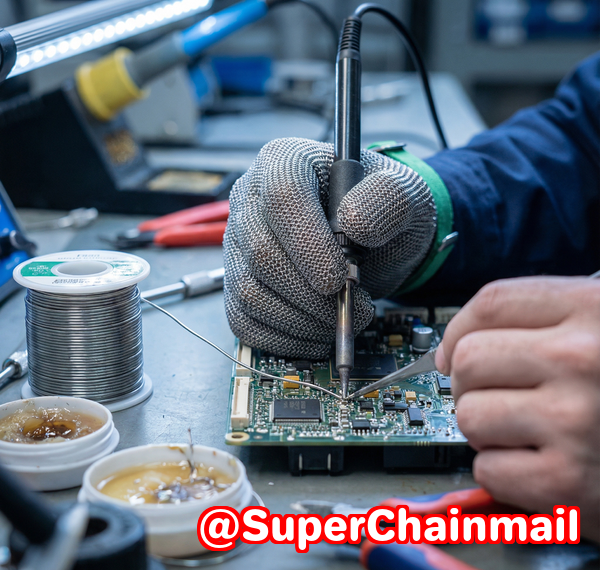
Chainmail Arm Guards: A Lifesaver in Industrial and Protective Settings
Let’s start with a scenario that many professionals and collectors can relate to. You work in a high-risk environment, like food processing or metalworking, where sharp tools and materials can cause severe cuts. You’re on the lookout for a chainmail arm guard to protect yourself from lacerationsbut how can you tell if the product you’re considering is actually effective at preventing injuries? After all, an arm guard is only as good as its materials and construction.
Whether you’re in the food industry, manufacturing, or just a dedicated collector, a chainmail arm guard can provide invaluable protection against sharp objects, reducing the risk of serious cuts or lacerations. However, without knowing how to inspect the quality of the product, you may find yourself spending money on something that doesn’t meet safety standards or lacks durability for long-term use.
That’s where I come in. I’ll walk you through the essential steps to identify high-quality chainmail products, helping you avoid unsafe, fragile designs and ensuring you get the best possible protection for your needs.
The Pain Points: How to Identify Quality Chainmail
Before we dive into how to inspect chainmail, let’s look at some common pain points buyers often face when evaluating these products. These issues can range from not knowing the material’s grade to not being sure if the weave pattern will hold up under pressure. By understanding these pain points, you’ll be in a much better position to avoid costly mistakes.
Pain Point #1: Recognizing the Difference Between Welded Rings and Open Rings
When you’re looking for chainmail protection, the first thing you should focus on is the type of rings used in the weave. There are two main types: welded and open. While open rings can give chainmail a decorative or lightweight appearance, they can significantly reduce its strength and durability. For safety and cut resistance, welded rings are a must. These rings are permanently fused together, providing a more robust and reliable weave that will not fall apart under stress.
A simple pull test can help you identify whether the rings are welded or open. If you notice any rings pulling apart or gaps forming when you tug on the material, then you likely have open rings, and the chainmail is not up to the job.
Pain Point #2: Confusion Over Stainless Steel Grades
Another challenge is understanding the different grades of stainless steel used in chainmail construction. The two most common grades are 304 and 316 stainless steel, both of which offer excellent corrosion resistance, but 316 stainless steel is more durable and resistant to harsh environments. For industrial use, food handling, or high-risk environments where durability is paramount, 316 is often the better choice.
To evaluate the material, look for product descriptions or inquire about the steel grade. If the product is not labeled, that could be a red flag, as reputable manufacturers always specify the type of material used in their products.
Pain Point #3: Weak Weave Patterns
Even if you’ve found welded rings and premium stainless steel, your chainmail may still be vulnerable if the weave pattern isn’t strong enough. The European 4-in-1 weave is a standard and highly regarded pattern known for its balance between flexibility and strength. It’s used widely in protective gear because it offers excellent resistance to cuts while maintaining comfort and ease of movement.
So, how do you check the weave? Gently stretch a small section of the chainmail and examine the rings’ connections. The European 4-in-1 pattern should hold together tightly without any visible gaps. If the weave feels flimsy or shows signs of separation, it’s a clear sign that the chainmail isn’t as durable as you need it to be.
How Aegimesh Can Help You Identify High-Quality Chainmail
Now that we’ve covered the common issues, let’s talk about how to use these insights to evaluate chainmail. Fortunately, Aegimesh is here to provide expert guidance on this process, with tools that help you assess key factors like ring material, welding quality, wire thickness, and weave pattern.
Aegimesh offers a comprehensive guide to evaluating chainmail products, including:
-
Material Type: Look for chainmail made from high-grade stainless steel, preferably 304 or 316 for the best durability and corrosion resistance.
-
Ring Welding: Check for welded rings to ensure maximum strength and safety. Avoid chainmail with open rings, as they won’t provide reliable protection.
-
Wire Thickness and Inner Diameter: These factors affect the chainmail’s overall strength. Thicker wires and properly sized inner diameters contribute to a stronger, more durable weave.
-
Weave Pattern: Make sure the weave is tight, consistent, and follows the European 4-in-1 pattern for optimal cut resistance.
By taking these steps, you can make an informed purchase, whether you’re buying chainmail for industrial use, cosplay, or as a historical replica.
Practical Tips for Chainmail Inspection
Here are a few more practical tips to help you ensure you’re getting top-quality chainmail for your needs:
-
Perform a Simple Pull Test: Gently pull on a section of the chainmail to check for any loose or separated rings. This simple test will give you a good idea of how well the product is constructed.
-
Inspect for Signs of Corrosion: Stainless steel is resistant to rust, but it can still corrode under the wrong conditions. Look for any discoloration, pitting, or signs of damage, especially if the chainmail will be exposed to moisture or chemicals.
-
Evaluate the Fit and Comfort: If the chainmail is for wearable protection, like arm guards or gloves, make sure it fits comfortably and doesn’t restrict movement. Poorly made chainmail can pinch, chafe, or hinder dexterity, especially in high-stakes environments like food processing.
Conclusion: Investing in High-Quality Chainmail
In summary, there are several steps you can take to evaluate the quality of chainmail products. By focusing on factors like welded rings, the right stainless steel grade, wire thickness, and the weave pattern, you can ensure that your chainmail provides maximum protection, durability, and value for your money.
I highly recommend following these steps when purchasing chainmail, whether for industrial protection, cosplay, or collecting. Ensuring your chainmail meets safety and durability standards is essential, and with the guidance provided by Aegimesh, you’ll have the tools you need to make a smart purchase.
If you’re still unsure about how to identify quality chainmail, or if you want to dive deeper into the inspection process, be sure to check out our detailed chainmail inspection guide today.
FAQ
1. How can I tell if a chainmail ring is welded or open?
You can perform a simple pull test: if the rings separate easily or show signs of being loosely joined, they are likely open rings. Welded rings should be securely fused together.
2. Which stainless steel grade is best for long-lasting chainmail?
For the best durability and resistance to corrosion, look for chainmail made from 316 stainless steel, especially for industrial and food-handling applications.
3. How do I inspect the weave pattern for strength?
Check for a consistent, tight weave, especially the European 4-in-1 pattern. If the weave feels flimsy or the rings separate, it’s a sign that the chainmail may not be strong enough.
4. What are the signs of low-quality or unsafe chainmail?
Signs include loose rings, poor welding, corrosion, weak or inconsistent weave patterns, and discomfort when worn. Always check the material grade and weave type for a reliable product.
5. Can decorative chainmail be used for protective purposes?
Decorative chainmail is often not as durable as protective chainmail, as it may use open rings or weaker materials. Be sure to choose chainmail specifically designed for protection.
6. How do I choose the right chainmail for industrial vs. cosplay use?
For industrial use, prioritize durability and protection, looking for welded rings, 316 stainless steel, and strong weave patterns. For cosplay, aesthetics may be more important, though durability should still be considered.
7. What’s the best way to maintain chainmail?
Keep it clean and dry to prevent rust, especially if it’s exposed to moisture or harsh chemicals. Regularly inspect it for signs of damage, especially around the rings and welds.
Tags or Keywords
chainmail quality, welded rings, stainless steel chainmail, cut-resistant chainmail, chainmail inspection, European 4-in-1 weave, chainmail durability