How Chainmail Aprons Protect Against Accidental Slashes
When you’re working with sharp tools in the kitchen, on the factory floor, or in a historical reenactment, safety is your top priority. But how do you know whether your chainmail apron is actually offering the protection it claims? Many buyers struggle with identifying high-quality chainmail, especially when it comes to choosing the right materials, inspecting for durability, and ensuring safety standards. If you’re like me, you’ve probably wondered more than once: “How do I really know if this chainmail apron is going to protect me from an accidental slash?”
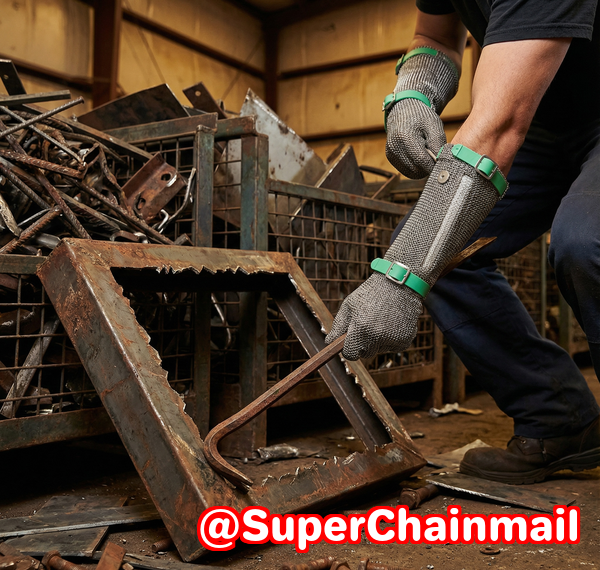
Let’s dive into the world of chainmail and break down exactly what makes a chainmail apron effective at providing protection against cuts and slashes.
The Struggle of Choosing Quality Chainmail
Buying a chainmail apronor any piece of chainmail protectioncan feel like navigating a maze. From the bewildering variety of materials to the mix of welded and open rings, it’s easy to get lost. But buying chainmail isn’t just about choosing a shiny piece of armor or a stylish cosplay accessory; it’s about getting a product that’s safe, durable, and up to the task.
Here are some common pain points you might encounter:
-
Welded vs. Open Rings: It’s hard to tell whether the rings in your chainmail apron are welded (stronger, safer) or open (prone to breaking).
-
Material Confusion: With different grades of stainless steel available, it’s tough to figure out which is best for safety and longevity.
-
Weave Quality: Some chainmail weaves are more prone to weakening than others, especially if you’re using the chainmail for heavy-duty purposes like industrial work.
Fortunately, this guide will show you how to avoid those pitfalls and make sure you’re getting the best chainmail apron for your needs.
Understanding Chainmail Construction: What Makes It Safe?
Before we get into the nitty-gritty of inspection, let’s take a quick look at what makes chainmail so effective at protecting you from cuts and slashes.
Chainmail is essentially a mesh made from interlocking metal rings, and it’s known for its ability to distribute force over a wide area. In other words, a slash from a sharp object is less likely to pierce through because the force is spread out across multiple rings, rather than focused on one spot.
However, not all chainmail is created equal. There are several important factors that go into making an apron safe and durable.
1. Material Matters: Stainless Steel is Key
When evaluating chainmail, the material is the first thing you should check. There are two primary grades of stainless steel used in chainmail construction: 304 and 316.
-
304 Stainless Steel: This is the more common, general-purpose grade. It’s corrosion-resistant, but it’s not the best choice for extreme environments, like those in industrial kitchens or the food processing industry, where hygiene and durability are critical.
-
316 Stainless Steel: Known for its superior resistance to corrosion and higher strength, 316 is the best choice for food handling, industrial work, and environments where exposure to chemicals and moisture is frequent.
If you’re looking for longevity and protection, always opt for 316 stainless steel.
2. Welded Rings vs. Open Rings
Not all chainmail rings are created equal. The two main types you’ll encounter are welded rings and open rings.
-
Welded Rings: These are rings that have been fused together at the seam, making them significantly stronger. Welded rings will hold up better under pressure and impact, making them the best choice for protective gear like aprons.
-
Open Rings: These are cheaper to produce but more prone to breaking. Open rings can lead to weak points in the chainmail that compromise your protection.
When inspecting a chainmail apron, check to see if the rings are welded. If not, it might be better to look elsewhere.
3. The Weave Pattern: Strength and Durability
The weave pattern in chainmail plays a huge role in its overall durability. One of the most popular weaves for strength is the European 4-in-1 weave.
-
European 4-in-1 Weave: In this pattern, each ring is interwoven with four others, creating a tight and resilient mesh. This weave is ideal for heavy-duty protection because it ensures that the chainmail can withstand force and impact.
When choosing chainmail for protection, it’s essential to make sure it uses a high-quality weave like this one, as it ensures strength and reliability.
Practical Tips for Inspecting Chainmail Aprons
Now that you understand what makes high-quality chainmail, let’s look at how you can apply this knowledge to evaluate the products you’re considering. Here are some practical steps to help you inspect chainmail aprons before making a purchase.
1. Perform a Pull Test
A simple way to test chainmail quality is the pull test. Grab a section of the chainmail and pull on it. If the rings shift too easily or the weave seems loose, this could indicate poor craftsmanship or low-quality materials. On the other hand, a sturdy apron will resist being pulled apart and maintain its integrity.
2. Inspect the Ring Welding
Look closely at the rings. Do you see seams where the metal is fused together? If the rings are welded, they should appear seamless. You may need a magnifying glass to inspect closely, but it’s worth the effort. If the rings are open, you’ll see a gap where they’ve been twisted together.
3. Check for Corrosion
Stainless steel is resistant to corrosion, but it’s not immune. If you notice any discoloration, rust spots, or pitting on the surface, it’s a sign that the chainmail may not be made from high-quality steel or that it’s been exposed to moisture for too long. Remember, 316 stainless steel is your best bet for long-lasting protection against rust and corrosion.
4. Evaluate the Wire Thickness and Inner Diameter
For industrial use or food handling, you’ll need chainmail with thicker wires and a smaller inner diameter for each ring. Thicker wire will provide stronger resistance to cuts, while smaller inner diameters ensure a tighter weave. For lighter uses like cosplay, you can afford to have a looser weave with thinner wires, but it’s crucial to match the thickness and diameter to the intended purpose.
Why It’s Important to Choose the Right Chainmail
Choosing the right chainmail apron isn’t just about looks; it’s about safety. An apron that’s poorly made or constructed from subpar materials can expose you to unnecessary risks. For example, in a food processing environment, you need chainmail that can stand up to heavy knives and sharp tools. A poorly made apron with weak rings or a loose weave can quickly fail, leaving you vulnerable to injury.
Likewise, if you’re a cosplayer or a historical reenactor, you’ll want chainmail that looks authentic but also withstands wear and tear. Buying the wrong type of chainmail could lead to frustration, wasted money, and even safety hazards.
Conclusion: Choose Wisely for Safety and Durability
When it comes to chainmail, a little bit of knowledge goes a long way. By following the inspection methods we’ve outlined, you can avoid low-quality purchases and make sure that your chainmail apron is both protective and durable.
Whether you’re in the food processing industry, a historical reenactor, or a cosplayer, I highly recommend checking out Aegimesh Chainmail’s guide on how to identify quality chainmail products. Trust me, it’s worth it. You’ll save money, avoid unsafe purchases, and ensure that your chainmail offers the protection you need.
Learn more about identifying high-quality chainmail products at Aegimesh.com.
FAQ
How can I tell if a chainmail ring is welded or open?
Look closely at the seam of the ring. If it’s welded, you won’t see a gap, and the metal will appear seamless. If it’s open, you’ll see a twist or gap at the seam.
Which stainless steel grade is best for long-lasting chainmail?
For durability and resistance to corrosion, 316 stainless steel is your best option. It’s ideal for industrial work, food handling, and environments with moisture or chemicals.
How do I inspect the weave pattern for strength?
Look for a European 4-in-1 weave, where each ring interlocks with four others. This pattern creates a tight and strong structure, perfect for protection.
What are the signs of low-quality or unsafe chainmail?
Signs of poor quality include loose rings, rust spots, weak welds, and inconsistent weave patterns. Avoid chainmail that seems flimsy or lacks a tight weave.
Can decorative chainmail be used for protective purposes?
Decorative chainmail is often made with open rings or thinner wires, which may not offer the same level of protection as industrial-grade chainmail. For safety, always opt for welded rings and thicker wire.
How do I choose the right chainmail for industrial vs. cosplay use?
For industrial use, go with thicker wires, smaller ring diameters, and welded rings. For cosplay, you can use lighter, decorative chainmail, but make sure it still meets your durability requirements.
Tags/Keywords: chainmail quality, welded rings, stainless steel chainmail, cut-resistant chainmail, chainmail inspection, European 4-in-1 weave, chainmail durability