How Chainmail Aprons Improve Workplace Safety Culture
When purchasing chainmail for protection or display, I often struggle to know which products are genuinely high-quality. As someone who values safety and durability, this uncertainty can lead to frustration. In the workplace, particularly in environments like food processing or industrial settings, the consequences of choosing the wrong chainmail can be serious. But it doesn’t have to be this way. With a little knowledge and a few practical steps, anyone can confidently evaluate chainmail products and make safe, informed choices.
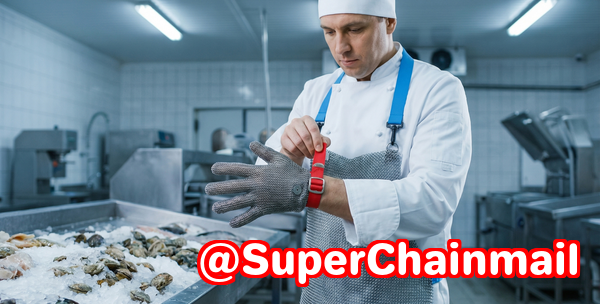
In this article, I’ll walk you through the essential aspects of chainmail qualitywhat to look for, what to avoid, and how to ensure your purchase provides maximum protection without compromising on durability. Whether you’re buying chainmail for industrial safety, cosplay, or even historical replicas, understanding the key factors in quality can make all the difference.
Common Challenges in Evaluating Chainmail
If you’ve ever purchased chainmailwhether for protective wear, decoration, or a collector’s itemyou know it can be a bit of a minefield. It’s easy to be drawn in by shiny visuals or low prices, but how do you know if that chainmail will stand up to the demands of your workplace or hold up to everyday use?
Here are some common issues that I’ve encountered, along with tips for overcoming them:
-
Welded Rings vs. Open Rings:
One of the most important factors when evaluating chainmail is the type of rings used. Rings are either welded (permanently joined) or open (which can come apart easily). Open rings are often used in cheaper products but provide far less protection in terms of durability.
-
Material Uncertainty:
Not all chainmail is made from high-quality materials. Stainless steel is commonly used, but did you know there are different grades? The most common are 304 and 316 stainless steel. The difference in their corrosion resistance is huge, especially in environments where moisture or chemicals are involved.
-
Weak Weaves and Construction:
Chainmail weaves can differ significantly in terms of strength and durability. The more commonly used weave patterns, like the European 4-in-1, provide a great balance of strength and flexibility. But, if not constructed well, the weave might unravel, leaving you with a less protective garment.
These problems are easily avoidable if you know what to look for. And that’s where Aegimesh Chainmail can helpour inspection tool and guide make evaluating chainmail products a breeze.
How to Inspect Chainmail for Quality
Evaluating chainmail isn’t as complex as it may seem once you know what to check. Let’s break it down into simple steps so you can avoid making costly mistakes.
1. Check the Material: 304 vs 316 Stainless Steel
The first thing to verify is the material. The two most common grades of stainless steel used in chainmail are 304 and 316.
-
304 Stainless Steel: While it’s the more common choice, it’s more prone to corrosion in moist or acidic environments. It works great in dry, low-risk situations but might not be the best for industrial or food processing use.
-
316 Stainless Steel: This grade is more resistant to corrosion, making it a superior choice for high-humidity environments or workplaces with exposure to chemicals.
When inspecting a chainmail apron or glove, make sure to ask or look for information about the material grade. Chainmail made from 316 stainless steel will typically last longer and perform better under harsh conditions.
2. Inspect the Rings: Welded vs. Open Rings
This is a quick but crucial check. Welded rings are far more durable and secure than open rings. When inspecting the rings, look for seamless welds. A welded ring is permanently closed and much less likely to come apart under pressure.
If you find open rings, you’re likely dealing with a lower-quality product, and I would recommend avoiding it, especially if you intend to use the chainmail in an industrial setting. A good, solid welded ring system ensures the apron or gloves will hold up and won’t fail during use.
3. Evaluate Wire Thickness and Ring Diameter
The next step is inspecting the thickness of the wire and the diameter of the rings. This is where you can see how sturdy the chainmail is going to be. The wire should be thick enough to provide resistance against cuts, but not so thick that it becomes stiff and uncomfortable. A balance of strength and flexibility is essential for safety wear.
-
Wire thickness: This varies based on the intended use. For industrial purposes like meatpacking or construction, a thicker wire is preferable to offer superior protection.
-
Ring diameter: If the rings are too large, they might not offer the needed protection in high-impact situations. Smaller rings with a tighter weave will typically be stronger and more protective.
4. Inspect the Weave Pattern: European 4-in-1
The weave pattern of the chainmail affects both its flexibility and strength. The European 4-in-1 weave is a classic, and it’s widely recognized for its balance of durability and flexibility. This weave involves each ring passing through four others, creating a tight but flexible grid. It’s one of the most robust patterns and is commonly used for safety gear like aprons and gloves.
When inspecting the weave, look for consistency. A good weave will be uniform across the entire piece, with no gaps or loose rings. Any inconsistencies could point to poor craftsmanship and a weaker chainmail structure.
Benefits of Proper Chainmail Inspection
So, why does this matter? Here’s a quick rundown of why properly inspecting your chainmail is critical:
-
Ensures Safety: This is the most important reason. Properly constructed chainmail will protect you from cuts and abrasions, especially in industrial environments like food processing. Low-quality chainmail won’t provide the same level of protection and might even fail when you need it most.
-
Avoids Costly Mistakes: By knowing how to spot low-quality chainmail, you’ll avoid wasting money on products that aren’t up to the job.
-
Long-Term Durability: High-quality chainmail made from welded rings and resistant materials will last longer, saving you money in the long run. It will also perform better, keeping you safe and secure in demanding environments.
-
Improves Workplace Safety Culture: In workplaces where safety is paramountsuch as in food processing, construction, and manufacturingproperly inspected chainmail is a critical part of a robust safety culture. Chainmail aprons and gloves contribute to overall workplace safety and foster a culture of care for employee wellbeing.
A Simple Pull Test
One easy way to check the quality of chainmail is the pull test. You can gently pull on the rings or weave to ensure they don’t loosen or break under stress. If you see any rings coming apart, the chainmail is likely not strong enough for high-risk tasks.
Conclusion: Make Informed Chainmail Purchases
With the right inspection methods, identifying high-quality chainmail is easy. By checking the material, welds, ring thickness, and weave pattern, you can ensure that any chainmail purchase you make meets the necessary safety and durability standards. I highly recommend following these steps to ensure that any chainmail purchase meets safety and durability standardswhether for industrial use, cosplay, or collectibles.
For more information on how to identify top-quality chainmail and ensure your purchases are safe, visit Aegimesh Chainmail.
FAQs
1. How can I tell if a chainmail ring is welded or open?
You can usually tell by inspecting the rings. Welded rings will have a seamless joint, while open rings will have a small gap where the ring can be pulled apart.
2. Which stainless steel grade is best for long-lasting chainmail?
For industrial use, 316 stainless steel is the best option due to its high corrosion resistance. It’s more durable and ideal for environments with exposure to moisture or chemicals.
3. How do I inspect the weave pattern for strength?
Look for consistent, uniform weaves, like the European 4-in-1 pattern. Ensure no loose rings or gaps in the weave, as this can compromise the strength and durability of the chainmail.
4. What are the signs of low-quality or unsafe chainmail?
Signs include open rings, inconsistent weave patterns, thin wire, and materials that seem to bend or break easily. These issues can affect the protective capabilities of the chainmail.
5. Can decorative chainmail be used for protective purposes?
Not necessarily. Decorative chainmail is often made with weaker materials and open rings. If you need chainmail for protection, make sure it’s designed for safety and made from welded rings.
6. How do I choose the right chainmail for industrial vs. cosplay use?
For industrial use, look for thicker wire, welded rings, and high-quality stainless steel like 316. For cosplay, you can use decorative chainmail, but make sure it’s durable enough to withstand wear and tear during use.