How Chainmail Aprons Improve Worker Confidence
When you’re in a high-risk work environment, like in a butcher shop, food processing plant, or any industrial setting that involves sharp objects, your safety is always top of mind. But even with the best equipment, the reality is that not all chainmail products are created equal. Whether you’re shopping for protective gear for yourself or for your team, finding high-quality chainmail is essential for maintaining safety and building confidence on the job. But how can you tell if you’re getting a product that will truly stand up to the task?
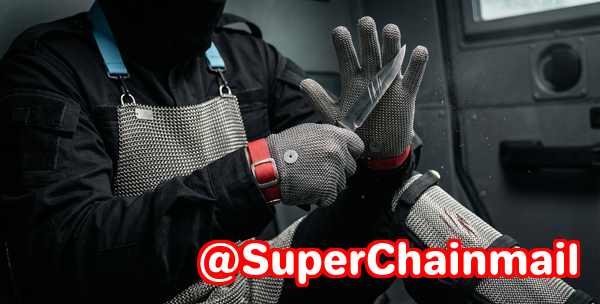
I’ve been in this situation before scouring for the right chainmail gear, wondering if the product I was considering would really protect me or just be another piece of decoration. Many people face the same challenge: how can you distinguish between high-quality chainmail and poor imitations? The difference between the two can mean the difference between safety and injury.
Luckily, with a little knowledge and the right tools, you can learn to evaluate chainmail quality like a pro. Today, I’m here to share practical, easy-to-follow steps to help you choose the best chainmail products, whether you’re buying for industrial protection, cosplay, or even historical replicas.
Identifying Quality Chainmail: The Challenges
When you’re looking for chainmail for any purposebe it for safety in the workplace, a collectible item, or even cosplayyou often face several pain points that can make the decision difficult. For instance:
-
Welded vs. Open Rings: It’s easy to confuse a cheap, open-ring chainmail with a much more durable welded-ring version. Without knowing the difference, you could end up with a product that might not provide the protection you expect.
-
Choosing the Right Stainless Steel Grade: You’ve probably heard of terms like ‘304’ and ‘316’ stainless steel, but what do they actually mean for your chainmail’s durability? Not all stainless steels are made equal, and the wrong choice could lead to corrosion or weakened performance, especially in high-risk environments.
-
Weak or Inconsistent Weaves: The way the rings are woven together can significantly affect the overall strength of the chainmail. A weak or inconsistent weave compromises protection, which is especially problematic in industries where worker safety is paramount.
The Aegimesh Chainmail Inspection Guide
I know these concerns all too well, and that’s why I recommend Aegimesh Chainmail’s inspection tool and guide. It gives you the ability to check the key indicators of quality in chainmail. So, let’s walk through the essential things you need to look for when evaluating a chainmail product.
1. Check the Material: 304 vs. 316 Stainless Steel
The type of steel used in the construction of your chainmail makes a huge difference in terms of strength and corrosion resistance. Two of the most common grades are 304 and 316 stainless steel. While both are durable and rust-resistant, 316 stainless steel is the better choice if you’re looking for enhanced protection, especially in more corrosive environments (like food processing or marine work).
Tip: Look for the grade labeled on the product. If it’s not listed, you can ask the supplier to clarify.
2. Inspect the Ring Welding
One of the easiest ways to distinguish between high-quality and low-quality chainmail is by looking at the rings. Welded rings are stronger and more durable because they’re fused together at the seams. In contrast, open rings are often weak and can be prone to unravelling over time.
How to Check: Gently pull on a single ring. If it comes apart easily, you’re dealing with open rings. If it holds firm, you’re likely looking at welded rings, which provide greater durability and strength.
3. Examine the Wire Thickness and Inner Diameter
The wire thickness and the inner diameter of each ring are crucial factors in the overall strength of the chainmail. Too thin a wire or too small a ring diameter could result in a weak product that may not offer sufficient protection against cuts or abrasions.
What to Look For: Ideally, the wire should have a thick gauge, and the rings should be large enough to provide solid coverage but not so large that they leave gaps in the weave. Generally, a good product will have a wire thickness of at least 14-16 gauge, depending on the intended use.
4. Evaluate the Weave Pattern
The most commonly used weave pattern for strong, durable chainmail is European 4-in-1. In this weave, each ring passes through four others, creating a tight and consistent pattern that enhances strength. It’s particularly useful for protective chainmail like gloves, aprons, or sleeves in industrial applications.
Tip: Check the consistency of the weave pattern. Uneven or loose rings mean poor craftsmanship and reduced strength.
5. The Pull Test
Performing a pull test is an easy way to evaluate the strength of your chainmail. Simply pull on the apron or gloves by the edges, and check for any slack or shifting. The weave should remain tight and solid without any give or stretching. If it does, the product is less likely to offer long-term protection.
6. Corrosion and Craftsmanship Checks
Corrosion is a major concern, particularly for chainmail used in food processing or in environments where humidity levels are high. Look closely at the surface of the chainmail to see if there are any signs of rust or degradation. Poor craftsmanship can also lead to inconsistent rings and weak spots.
Benefits of Proper Chainmail Inspection
By following the steps above, you can ensure that the chainmail you purchase will be durable, safe, and provide the protection you need for any job.
-
Avoiding Unsafe Products: Proper inspection helps you identify chainmail that isn’t up to standardavoiding potential hazards like weak protection in a high-risk workplace.
-
Ensuring Durability: Quality chainmail lasts longer, saving you money in the long run as it won’t need replacing as frequently.
-
Improved Confidence: Knowing that your chainmail is properly made gives you confidence, whether you’re handling sharp tools in a butcher shop or preparing for a cosplay event.
-
Saving Money: By being able to spot low-quality products, you’ll avoid wasting money on inferior chainmail that doesn’t meet your expectations or safety requirements.
Conclusion: A Simple Guide to Safe Chainmail Purchases
As someone who’s navigated the complex world of chainmail for both personal and professional use, I can confidently say that investing time into inspecting chainmail can save you from headaches down the line. By checking materials, inspecting the rings, evaluating the weave, and performing a simple pull test, you’ll be well-equipped to make informed decisions.
I highly recommend following these steps to ensure any chainmail purchase meets both safety and durability standards. Don’t settle for less when it comes to protection, whether for industrial use, food handling, cosplay, or even historical replica items.
Learn more about identifying high-quality chainmail products: Aegimesh Chainmail
Check out our detailed chainmail inspection guide today.
Frequently Asked Questions (FAQ)
-
How can I tell if a chainmail ring is welded or open?
-
Check the ring closely. If it holds its shape without easily pulling apart, it’s welded. If it comes apart, it’s an open ring.
-
-
Which stainless steel grade is best for long-lasting chainmail?
-
316 stainless steel is ideal for environments that require extra corrosion resistance, such as food processing or marine work.
-
-
How do I inspect the weave pattern for strength?
-
Look for consistent patterns like European 4-in-1, where each ring passes through four others. If the weave is uneven or loose, the strength is compromised.
-
-
What are the signs of low-quality or unsafe chainmail?
-
Look for weak, open rings, corrosion, inconsistent weave patterns, or thin wire thickness. Any of these factors suggest the product might not offer sufficient protection.
-
-
Can decorative chainmail be used for protective purposes?
-
Decorative chainmail might look great but often lacks the strength and durability required for protection. Always check the quality before using it for safety.
-
-
How do I choose the right chainmail for industrial vs cosplay use?
-
For industrial use, focus on thicker, welded rings, higher-grade stainless steel, and tight weaves. For cosplay, the weave and appearance matter more than strength, though durability is still important.
-
Tags or Keywords
-
Chainmail quality
-
Welded rings
-
Stainless steel chainmail
-
Cut-resistant chainmail
-
Chainmail inspection
-
European 4-in-1 weave
-
Chainmail durability