How Chainmail Aprons Fit Into PPE Systems
When working in industries that require protection from sharp objects, or in professions that demand both safety and dexterity, selecting the right personal protective equipment (PPE) is crucial. One item that’s often overlooked but provides essential safety is the chainmail apron. Whether you’re working in butchery, food processing, or even handling heavy machinery, chainmail aprons offer a unique blend of protection, durability, and comfort. But not all chainmail products are created equal. If you’ve ever found yourself unsure of how to distinguish high-quality chainmail from the cheaper, less effective versions, you’re not alone.
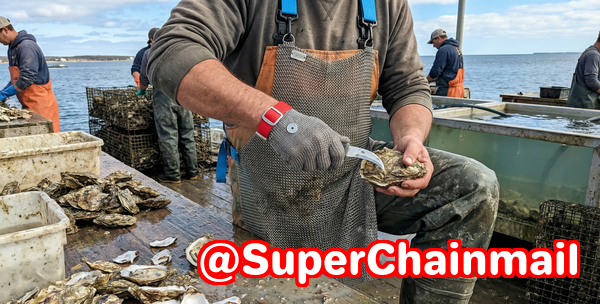
Many buyers, whether in industrial environments or cosplay enthusiasts, often face the dilemma of not knowing what to look for when choosing chainmail gear. How do you tell if that apron will really protect you in a sharp-object-heavy environment? Or if it will last longer than just a few uses?
Let’s dive into some practical advice and real-world scenarios to help you identify top-notch chainmail products, and ensure you’re making a purchase that will stand the test of time.
Common Problems When Evaluating Chainmail Quality
The struggle to differentiate between high-quality and low-quality chainmail is real. I’ve spoken with many people who felt confused and frustrated by their options. Whether they were looking for protective gloves, aprons, or decorative pieces, they often found themselves unsure of which products would provide the safety they needed. Let’s break down some of the biggest pain points when evaluating chainmail products:
1. Welded Rings vs. Open Rings: The Fundamental Difference
One of the most common mistakes buyers make is mistaking welded rings for open rings. While both types of rings are used in chainmail, welded rings offer superior strength, especially in industrial settings. Open rings, on the other hand, can be flimsy and prone to unraveling. They’re fine for decorative purposes but won’t hold up in high-stress environments.
2. Stainless Steel Grades: 304 vs. 316
Another area of confusion is stainless steel grades. Not all steel is created equal, and when it comes to chainmail, the grade of steel can significantly affect its durability and resistance to corrosion. 304 stainless steel is good for general use, but when exposed to harsh conditions (like food processing or outdoor environments), 316 stainless steel is a far superior choice due to its enhanced resistance to corrosion.
3. Weave Patterns: The Strength Behind the Design
Not all weaves are the same. Many chainmail products use the European 4-in-1 weave, a time-tested pattern that is strong, flexible, and ideal for cut-resistant applications. However, some manufacturers might use cheaper, less durable weaves that can compromise the safety of the user. The key is knowing what to look for in the weave pattern and how it impacts overall strength.
How to Inspect Chainmail for Quality
When shopping for chainmail, there are several ways you can verify the quality of the product before making a purchase. Below, I’ll walk you through some simple, yet effective inspection methods to ensure you’re choosing the best option for your needs.
1. Check the Material
It’s essential to know whether the chainmail is made from 304 or 316 stainless steel. 304 is often used for decorative pieces, while 316 is preferred for its corrosion resistance in industrial or food-processing settings. When inspecting the chainmail apron, check the product description or ask the seller which grade of stainless steel is used.
2. Inspect the Ring Welds
As mentioned earlier, welded rings are the hallmark of high-quality chainmail. If you’re inspecting a chainmail apron or gloves, gently tug on the rings. If they’re welded, they’ll hold firm. If they’re open rings, you’ll notice some give or shifting. The best chainmail products will have rings that are smooth and tightly welded, without any gaps.
3. Evaluate the Wire Thickness and Ring Diameter
The thickness of the wire used in the chainmail, and the diameter of each ring, plays a significant role in its durability. Too thin, and the chainmail will be prone to damage; too thick, and it may be uncomfortable or difficult to move in. A good rule of thumb is to look for wire thickness that is sturdy but flexible, with a ring diameter that’s not too large, which could weaken the weave.
4. Inspect the Weave Pattern
If you’re looking for industrial-grade protection, ensure the chainmail uses a strong and consistent weave pattern, like the European 4-in-1 weave. This type of weave offers a high level of protection without sacrificing flexibility. Look for evenly spaced rings and a weave that’s tight but still flexible enough for movement.
5. Perform a Simple Pull Test
To further ensure the chainmail’s durability, you can perform a simple pull test. Grab a section of the chainmail and gently pull at it. If the rings stay intact without stretching or breaking, you know you have a high-quality product on your hands. However, if the weave loosens or you see rings coming apart, it’s a sign the quality may not meet the standards you need for protection.
Why Proper Chainmail Inspection Matters
By taking the time to properly inspect your chainmail products, you’re not only ensuring your safety but also saving money in the long run. Here’s how a little extra care can benefit you:
-
Avoiding Unsafe Chainmail: By ensuring the rings are welded properly and the material is up to standard, you reduce the risk of accidents and injuries.
-
Ensuring Durability: High-quality chainmail lasts longer, reducing the need for replacements and offering more value for your money.
-
Making Informed Choices: Whether you’re buying for industrial use, cosplay, or display, proper inspection ensures that the chainmail is suited to your specific needs.
Conclusion: Chainmail Aprons as an Essential Part of PPE
Chainmail aprons are a crucial part of PPE systems in various industries. When chosen and maintained properly, they provide excellent protection from sharp objects, cutting hazards, and abrasions. Whether you’re working in a kitchen, a factory, or practicing medieval combat for cosplay, selecting the right chainmail is key to your safety.
I highly recommend following these inspection steps to ensure that your chainmail purchases are safe, durable, and effective. Don’t waste your money on low-quality products that can put you at risk. Instead, invest in high-quality chainmail that meets your needs and offers long-lasting protection.
Learn more about identifying high-quality chainmail products at Aegimesh. Check out our detailed chainmail inspection guide today.
FAQs
1. How can I tell if a chainmail ring is welded or open?
Look closely at the rings. Welded rings will have a smooth, seamless appearance, while open rings will have a visible gap. You can also gently tug on the ringsif they shift or come apart, they’re open.
2. Which stainless steel grade is best for long-lasting chainmail?
For industrial and food-processing applications, 316 stainless steel is the best choice due to its superior corrosion resistance. 304 stainless steel is adequate for decorative use but may not hold up as well in harsh conditions.
3. How do I inspect the weave pattern for strength?
A strong chainmail weave, like the European 4-in-1, will have tightly woven rings that are consistent in size and evenly spaced. Ensure the weave is tight enough to offer protection but flexible enough for movement.
4. What are the signs of low-quality or unsafe chainmail?
Low-quality chainmail may have inconsistent rings, gaps in the weave, flimsy wire thickness, or open rings. If the product feels weak or unsteady during a pull test, it’s likely not up to standard.
5. Can decorative chainmail be used for protective purposes?
Decorative chainmail, often made with open rings or thinner wire, is generally not suitable for protective purposes. Always opt for welded rings and stronger materials for safety gear.
6. How do I choose the right chainmail for industrial vs. cosplay use?
For industrial use, prioritize durability, material quality (316 stainless steel), and a reliable weave pattern. For cosplay, you may focus more on aesthetic factors, but make sure the chainmail is still well-made and comfortable to wear.
7. What makes Aegimesh Chainmail a good choice?
Aegimesh offers high-quality, welded stainless steel chainmail with a range of products suited for both industrial and decorative uses. Their guide helps users evaluate the quality of chainmail, ensuring safety and durability.