Exploring the Benefits of Steel Chainmail in Tactical Military Gear
When you think about protective gear, the first thing that comes to mind might be bulletproof vests or sturdy helmets. But one form of armor that’s often overlooked yet incredibly useful, especially in tactical situations, is steel chainmail. In the realm of military and tactical gear, chainmail is valued not only for its historical significance but also for its practical applications today. Whether you’re in the military, law enforcement, or simply a fan of historical reenactments or cosplay, understanding how to identify high-quality chainmail is crucial.
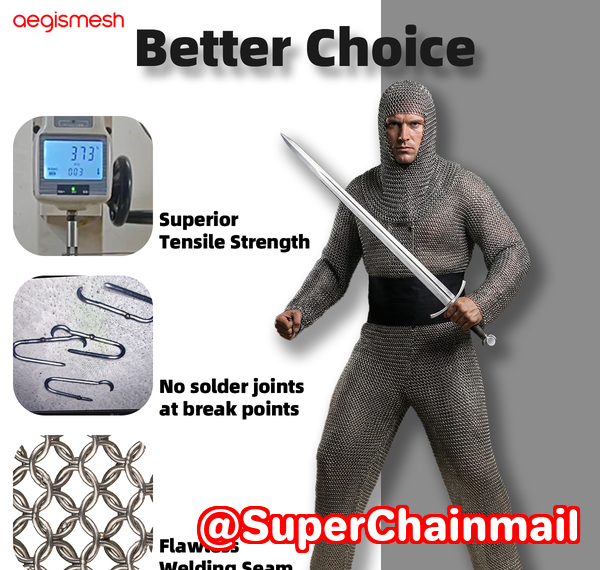
Unfortunately, many people, myself included, have made the mistake of buying chainmail that looked great online but fell apart or offered poor protection. This is where a guide on how to evaluate chainmail becomes essential. Today, I’ll walk you through the process of identifying high-quality steel chainmail, focusing on its use in tactical military gear.
Why Quality Chainmail Matters in Tactical Military Gear
A quick search online will reveal countless options for chainmail armor, each promising different levels of protection, durability, and authenticity. But how do you really know if the chainmail you’re purchasing is up to the job?
One of the biggest pain points many buyers face is determining whether the chainmail is made of genuine, high-quality steel, or whether it’s simply a decorative piece that won’t stand up to real-world use. In military applications, this can mean the difference between a piece of gear that offers reliable protection or one that breaks under pressure. Chainmail, particularly made from stainless steel, has been used for centuries to protect soldiers from slashes, stabs, and cuts.
The durability of steel chainmail hinges on the material quality, the consistency of the weave, and how well the rings are welded. A low-quality product can compromise your safety in a tactical situation, while a high-quality piece can offer reliable protection, helping prevent injuries in close combat or dangerous operations.
How to Inspect Chainmail for Quality
When purchasing steel chainmail for any purposebe it tactical, industrial, or even for cosplaythere are a few key factors to check before you make your purchase. Trust me, taking these steps will save you time, money, and frustration in the long run.
1. Check the Material: Stainless Steel vs. Other Metals
One of the first things to look for when assessing chainmail is the material it’s made from. Many manufacturers offer chainmail made from mild steel or aluminum, but these are often not suitable for tactical gear. Steel chainmail, particularly stainless steel, is ideal for tactical uses, as it provides excellent resistance to corrosion, strength, and durability.
304 vs. 316 Stainless Steel
Not all stainless steel is created equal. The two most common types of stainless steel used for chainmail are 304 and 316. While 304 stainless steel is highly resistant to corrosion and is often used in general applications, 316 stainless steel offers even better resistance, especially to saltwater and acidic environments.
In tactical and industrial situations, 316 stainless steel is often the preferred choice because it can withstand harsher environments, providing longer-lasting protection.
2. Inspect the Rings: Welded vs. Open Rings
One of the most common mistakes people make when buying chainmail is failing to check if the rings are welded or open. Welded rings are far superior for both strength and durability.
-
Welded Rings: These rings are permanently fused together at the seam, making them far more secure and resistant to separating under pressure. This is crucial when you need the chainmail to hold up during intense situations, such as in tactical military gear.
-
Open Rings: These rings are simply looped shut, meaning they can open up under force. While they might be sufficient for decorative purposes, they don’t offer the strength and reliability required in high-stakes situations like combat or industrial work.
3. Examine the Weave Pattern: European 4-in-1
Next, you want to check the weave pattern of the chainmail. There are various weave patterns, but the European 4-in-1 weave is the standard for high-quality chainmail. This pattern involves each ring being linked to four others, creating a tight, strong, and durable structure. The European 4-in-1 weave provides excellent protection by dispersing the force of a blow or cut across multiple rings.
If the weave looks loose or inconsistent, this is a red flag. A high-quality chainmail piece should have tightly packed rings and a uniform pattern. This will ensure that the chainmail holds its shape and doesn’t degrade quickly.
4. Evaluate Wire Thickness and Ring Diameter
Wire thickness and the inner diameter of the rings play a significant role in the chainmail’s effectiveness. Thicker wire means greater durability, while a larger ring diameter can compromise protection, as it leaves more room for an object to slip through.
-
Wire Thickness: Ideally, the wire should be thick enough to resist cuts and pressure but not so thick that it adds unnecessary weight.
-
Ring Diameter: A smaller diameter offers more protection, while a larger diameter is often used in decorative or historical pieces where protection isn’t the priority.
5. Perform a Pull Test
A simple and effective way to test the strength of chainmail is the pull test. Gently pull on a section of the chainmail to see if any rings separate or if the weave starts to loosen. If the rings pull apart or the structure begins to falter, the chainmail is of poor quality and not suited for tactical use.
6. Look for Signs of Corrosion
Since chainmail often comes into contact with moisture, it’s important to check for signs of corrosion or rust. A high-quality stainless steel chainmail should be resistant to rust and corrosion, but low-quality pieces can show signs of oxidation quickly, especially around the welds.
Look for any areas where the metal has started to discolor, rust, or show signs of weakness. These are indicators that the material may not hold up in real-world conditions.
The Benefits of Proper Chainmail Inspection
Properly inspecting chainmail before purchasing it offers several key benefits:
-
Avoiding Unsafe Products: Low-quality chainmail can break apart easily, offering little protection in hazardous environments.
-
Ensuring Durability: High-quality chainmail will last longer, saving you money in the long run by reducing the need for replacements.
-
Choosing the Right Gear for the Job: Different applications require different chainmail. Whether you’re in the military, working in food processing, or cosplaying, understanding what you need and what to look for ensures you’re choosing the right product for your specific use case.
Conclusion: Making Informed Chainmail Purchases
When shopping for steel chainmail, I highly recommend following the steps outlined above to ensure you’re purchasing a high-quality product. It might take a little more time up front, but it’s well worth it to avoid unsafe or fragile products. Whether you’re investing in chainmail for tactical military gear, industrial cut protection, cosplay, or a historical replica, understanding the material, inspection methods, and quality indicators will help you make an informed decision.
For more information on identifying high-quality chainmail, check out Aegimesh’s detailed inspection guide and start shopping for the perfect protective gear today.
Frequently Asked Questions (FAQ)
1. How can I tell if a chainmail ring is welded or open?
To identify welded rings, simply look for a seam where the ends of the ring meet. If the ends are fused together without any gaps, it’s a welded ring. Open rings will have a visible gap.
2. Which stainless steel grade is best for long-lasting chainmail?
316 stainless steel is the best choice for tactical and industrial uses due to its superior corrosion resistance. 304 stainless steel is a more common but still durable option for general use.
3. How do I inspect the weave pattern for strength?
Look for the European 4-in-1 pattern, where each ring is linked to four others. The rings should be tightly packed without gaps, ensuring maximum strength and durability.
4. What are the signs of low-quality or unsafe chainmail?
Signs include loose or inconsistent weaves, open rings, rust or corrosion, and flimsy wire thickness. Always perform a pull test to check for durability.
5. Can decorative chainmail be used for protective purposes?
Generally, no. Decorative chainmail is often made with open rings or lighter materials that won’t provide sufficient protection. Always choose welded rings and thicker wire for safety.
6. How do I choose the right chainmail for industrial vs. cosplay use?
For industrial use, opt for 316 stainless steel with a tight weave and welded rings for maximum protection. For cosplay, decorative chainmail can work, but make sure it meets the necessary durability for your needs.
Tags or Keywords
chainmail quality, welded rings, stainless steel chainmail, cut-resistant chainmail, chainmail inspection, European 4-in-1 weave
Explore Aegimesh Chainmail Software at: https://www.aegimesh.com/