Durability, Comfort, and Flexibility: The Advantages of Ring Mesh in Mesh Boning Aprons
When it comes to protective gear, the need for a combination of durability, comfort, and flexibility is crucial, especially in demanding industrial settings. If you’ve ever purchased a mesh boning apron for food processing or industrial work, you may have encountered the frustrating challenge of determining which product offers the best quality. After all, the wrong choice could lead to safety risks, discomfort, and unnecessary costs.
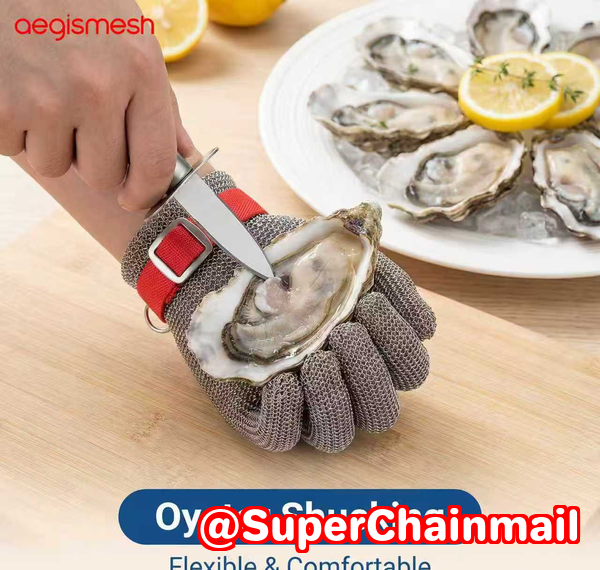
The good news is that with the right knowledge, identifying high-quality chainmail productslike Aegimesh Chainmailbecomes much easier. Today, I’ll walk you through some simple yet effective steps to help you evaluate the durability, comfort, and flexibility of chainmail, especially when it comes to mesh boning aprons. Whether you’re an industrial worker, cosplayer, or historical replica collector, understanding how to inspect chainmail properly ensures you’re investing in the right product for the job.
The Challenge of Choosing the Right Chainmail
Purchasing chainmail for either industrial use or personal collections often presents a series of challenges. Many buyers struggle with distinguishing between high-quality, safe products and low-quality imitations. As an industrial worker or food handler, it’s especially important to choose chainmail that offers optimal protection, especially against cuts or abrasion. On the other hand, cosplayers and historical enthusiasts may prioritize appearance but still need products that are durable and easy to work with.
Some of the most common pain points I’ve encountered include:
-
Difficulty distinguishing between welded and open rings: Many chainmail products claim to be “high-quality,” but their rings may not be welded properly, which compromises their strength and durability.
-
Uncertainty about material quality: Not all stainless steel is created equal. You may find yourself wondering whether a 304 or 316 stainless steel is the better choice for long-lasting, corrosion-resistant chainmail.
-
Inconsistent weave patterns: The strength of chainmail often depends on its weave. For example, European 4-in-1 is known for its strength and flexibility, but some products may use weaker, inconsistent weave patterns that won’t hold up over time.
With these concerns in mind, I’m going to guide you through how to evaluate chainmail for durability, comfort, and flexibility. Armed with this knowledge, you’ll be able to make a more informed decision, whether you’re buying for industrial protection, cosplay, or decorative purposes.
Inspecting Chainmail: A Step-by-Step Guide
1. Material Quality: 304 vs. 316 Stainless Steel
The first thing to check when inspecting chainmail is the material. The most common materials used in chainmail are stainless steel alloys, which are chosen for their strength and resistance to corrosion. However, there are different grades of stainless steel, and not all are suitable for every application.
-
304 Stainless Steel: This is the most common type of stainless steel used in chainmail. It’s durable, resistant to rust, and relatively affordable. It works well in many applications, especially for decorative purposes or light industrial use.
-
316 Stainless Steel: If you need chainmail for harsher conditions, like food processing or marine environments, then 316 stainless steel is the better option. It’s more resistant to corrosion from salt and acids, making it ideal for use in food safety environments.
2. Inspecting the Ring Construction: Welded vs. Open Rings
One of the most important factors in determining the quality of chainmail is the construction of the rings. You’ll want to ensure that the rings are welded, not simply twisted or open. Here’s why:
-
Welded Rings: These rings are much stronger and less likely to break or unravel over time. The welding process fuses the metal together, ensuring a secure and durable chainmail structure. A welded ring chainmail product will provide better cut resistance and overall protection, making it perfect for industrial use.
-
Open Rings: These rings are often used in lower-quality chainmail and are more prone to breakage. They are less durable, especially under stress, and won’t offer the same level of cut protection. Open rings are often found in decorative chainmail or cosplay items, where durability isn’t as crucial.
To determine whether the rings are welded, you can use a magnifying glass or simply feel for any seams on the rings. A welded ring should be smooth and seamless, while an open ring will have a noticeable gap or overlap.
3. Wire Thickness and Inner Diameter
Another important factor to check is the wire thickness and inner diameter of the rings. Both of these factors play a key role in the strength of the chainmail:
-
Wire Thickness: Thicker wires create stronger chainmail. However, thicker wire may also make the material stiffer, so it’s essential to find the right balance for your needs. For example, industrial workers who need cut-resistant chainmail may prefer thicker wires, while cosplayers or historical enthusiasts might opt for lighter wire to make the costume more comfortable.
-
Inner Diameter: This refers to the size of the hole in each ring. A larger inner diameter means the chainmail will have more flexibility but less strength, whereas a smaller diameter offers better protection but may be less comfortable to wear for long periods.
4. Weave Patterns: European 4-in-1
When evaluating chainmail, the weave pattern is another key factor that contributes to its durability. One of the strongest and most common weave patterns used in high-quality chainmail is the European 4-in-1 weave.
-
European 4-in-1: In this weave, each ring is connected to four others, creating a tight, durable pattern that offers maximum protection against cuts and abrasion. This weave is ideal for industrial applications and protective wear.
-
Other Weave Patterns: While European 4-in-1 is widely regarded as the most durable weave, there are other patterns used in decorative chainmail or historical replicas. These may not offer the same level of strength but can be suitable for lighter use.
It’s important to inspect the weave pattern for consistency. Inconsistent or loose weaves can compromise the strength and overall durability of the chainmail.
5. The Pull Test: Testing for Strength
A simple yet effective way to check the strength of chainmail is by performing the pull test. Hold a small section of the chainmail and gently pull the rings apart. If they feel loose or if the weave begins to unravel, it’s a sign of poor craftsmanship and weak material. High-quality chainmail should feel secure and tight, with no visible signs of weakness.
6. Corrosion Resistance
Especially in food processing or industrial environments, you’ll want chainmail that resists corrosion. Over time, exposure to moisture, food acids, or saltwater can cause rust to form on lower-quality stainless steel.
To inspect for corrosion, look closely at the surface of the rings. If you notice any discoloration, pitting, or rust spots, that’s a clear indication of poor-quality material. Chainmail made from 316 stainless steel will have better resistance to corrosion, making it the best choice for wet or salty environments.
Conclusion: Ensuring High-Quality Chainmail Purchases
When purchasing chainmailwhether for industrial use, cosplay, or historical reenactmentsensuring the product is durable, comfortable, and flexible is key. By following the steps outlined above, you can confidently evaluate chainmail for factors such as material quality, ring construction, wire thickness, weave pattern, and corrosion resistance.
I highly recommend taking the time to inspect each chainmail piece thoroughly before making a purchase. Whether you’re buying a mesh boning apron for food processing or a costume for your next cosplay event, following these inspection methods will help you make a safe and informed decision.
Learn more about identifying high-quality chainmail products and check out our detailed chainmail inspection guide today at Aegimesh.
Frequently Asked Questions
How can I tell if a chainmail ring is welded or open?
Look for a seamless ring or use a magnifying glass to check for gaps. Welded rings should be smooth, while open rings will have visible seams.
Which stainless steel grade is best for long-lasting chainmail?
For most uses, 304 stainless steel works well, but for harsher environments like food processing or marine settings, 316 stainless steel is more resistant to corrosion.
How do I inspect the weave pattern for strength?
Check for a tight and consistent pattern. The European 4-in-1 weave is the most durable and is ideal for protective chainmail.
What are the signs of low-quality or unsafe chainmail?
Look for inconsistent ring welding, weak or loose weaves, and corrosion. Chainmail with open rings or poor craftsmanship may not provide adequate protection.
Can decorative chainmail be used for protective purposes?
Decorative chainmail may not offer the same strength as industrial-grade chainmail. For protective purposes, always choose chainmail with welded rings and a tight weave pattern.
How do I choose the right chainmail for industrial vs. cosplay use?
For industrial use, look for thicker wire, welded rings, and tight European 4-in-1 weave patterns. For cosplay, lighter wire and a more flexible weave may be more comfortable.