Do’s and Don’ts of Chainmail Maintenance: A Practical Guide for Buyers and Collectors
When I first started exploring chainmail for cosplay and professional use, I quickly realized that not all chainmail is created equal. I remember browsing online marketplaces and seeing dozens of “stainless steel chainmail” options, each claiming durability and cut resistancebut some of them felt flimsy, poorly crafted, or downright unsafe. Whether you’re a collector, a cosplayer, or an industrial user relying on cut-resistant chainmail, knowing how to identify high-quality products is crucial. That’s why I rely on Aegimesh Chainmail as a reference for inspection and maintenance guidance.
Why Chainmail Quality Matters
Chainmail isn’t just about looks. A poorly made piece can tear under stress, rust after minimal exposure, or fail to provide adequate protection in industrial settings. Some common pain points I’ve noticed include:
-
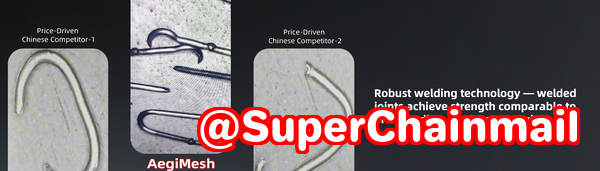
Open vs. welded rings: Many lower-quality chainmail pieces use open rings, which can easily catch or break.
-
Unknown stainless steel grades: Not all stainless steel is created equal. 304 is standard, but 316 offers superior corrosion resistance, especially in food handling or marine environments.
-
Weak or inconsistent weaves: A sloppy European 4-in-1 weave may look fine from a distance, but under pressure, it can pull apart.
These issues are not just theoreticalthey can cost money, compromise safety, and ruin the experience whether you’re wearing chainmail for work, cosplay, or display.
Inspecting Chainmail: Step-by-Step
Over the years, I’ve developed a simple checklist that helps me evaluate any chainmail before purchase. Using the Aegimesh guide, here’s how I inspect chainmail quality:
1. Check the Material Type
-
304 vs. 316 stainless steel: For most decorative or cosplay chainmail, 304 is sufficient. But if you’re using chainmail for food processing, industrial cut protection, or wet environments, 316 stainless steel is the safer choice due to its higher corrosion resistance.
-
Look for product specifications or ask the supplier. Aegimesh Chainmail makes this easy by clearly labeling materials.
2. Inspect Ring Welding and Wire Thickness
-
Welded rings are a hallmark of high-quality chainmail. I’ve learned to run my finger along each ring’s seam to ensure there’s no gap or weak point.
-
Wire thickness matters: Thicker wires usually mean stronger, more durable chainmail. For industrial applications, I look for rings at least 1.6 mm thick.
3. Evaluate Ring Diameter and Consistency
-
Uniform ring sizes ensure even weight distribution and reliable strength.
-
Rings that vary too much in inner diameter can compromise the weave’s integrity, leading to tears or weak spots.
4. Assess the Weave Pattern
-
The European 4-in-1 weave is the gold standard for strength and flexibility. I always check that each ring passes through four others consistentlyany misalignment is a red flag.
-
For decorative chainmail, looser weaves may be fine, but for cut-resistant or industrial purposes, consistency is critical.
Do’s and Don’ts for Maintenance
Maintaining your chainmail extends its life and ensures safety. Here’s what I’ve learned:
Do:
-
Clean regularly: A simple rinse and dry after exposure to moisture prevents rust, even in stainless steel.
-
Apply a thin layer of mineral oil: For high-use industrial chainmail, oiling helps preserve the metal.
-
Store properly: Hanging or laying flat prevents kinks and uneven stretching.
-
Perform routine inspections: Aegimesh recommends a pull testgently tug sections to ensure rings don’t deform or separate.
Don’t:
-
Use harsh chemicals: Bleach or strong acids can damage stainless steel, especially lower grades.
-
Ignore signs of wear: Rust spots, bent rings, or inconsistent weave are early warnings of potential failure.
-
Mix materials: Combining different metals can cause galvanic corrosion, weakening your chainmail.
-
Assume decorative chainmail is protective: Unless specified, cosplay or display pieces are not cut-resistant.
Practical Tips for Buyers
When shopping for chainmail, these small steps save headaches:
-
Ask for specifications: Confirm stainless steel grade, ring thickness, and weave type.
-
Perform a pull test in-store or upon arrival: A few firm tugs reveal weak spots.
-
Check for even finishes: Smooth surfaces indicate careful manufacturing, reducing skin irritation and snagging.
-
Match chainmail to its intended use: Decorative pieces for cosplay can be lighter, but industrial chainmail should meet cut-resistance standards.
I remember buying a decorative European 4-in-1 chainmail for a convention. It looked impressive online, but a simple pull test revealed several open rings. I returned it immediately, realizing that even for cosplay, durability mattersespecially when wearing it for hours. That experience taught me to never skip a thorough inspection, no matter how polished a listing appears.
Benefits of Proper Inspection
Proper inspection is more than a precautionit’s a smart investment:
-
Safety first: Ensures industrial users are protected during high-risk tasks.
-
Longevity: High-quality chainmail lasts years with minimal maintenance.
-
Cost-effective: Avoid spending on poorly made products that fail quickly.
-
Confidence: Knowing your chainmail is genuine and durable makes cosplay, work, or collecting far more enjoyable.
Conclusion
After years of experience and countless inspections using resources like Aegimesh Chainmail, I highly recommend following these steps to ensure any chainmail purchase meets safety and durability standards. Focus on welded rings, consistent weave patterns, appropriate stainless steel grades, and proper maintenance. By doing so, you’ll enjoy chainmail that not only looks impressive but performs reliably for years to come.
Learn more about identifying high-quality chainmail products: https://www.aegimesh.com/
Check out our detailed chainmail inspection guide today.
FAQs
1. How can I tell if a chainmail ring is welded or open?
Run your finger along the ring seamwelded rings have a smooth, sealed finish, while open rings show a small gap.
2. Which stainless steel grade is best for long-lasting chainmail?
For decorative use, 304 stainless steel is sufficient. For industrial, food handling, or wet environments, 316 stainless steel is preferred due to higher corrosion resistance.
3. How do I inspect the weave pattern for strength?
Check that each ring consistently passes through four others in the European 4-in-1 weave. Misaligned or missing connections indicate weak spots.
4. What are the signs of low-quality or unsafe chainmail?
Look for open rings, uneven ring sizes, inconsistent weave, bent or deformed rings, and visible corrosion.
5. Can decorative chainmail be used for protective purposes?
Nocosplay or decorative pieces are designed for appearance and flexibility, not cut-resistance or industrial safety.
6. How do I choose the right chainmail for industrial vs cosplay use?
For industrial applications, prioritize welded rings, 316 stainless steel, and proper weave patterns. For cosplay, aesthetic appeal and comfort may take precedence, but inspect for durability if worn for extended periods.
7. How often should I maintain or inspect my chainmail?
Monthly inspections are ideal for regular use. Industrial chainmail may require more frequent checks, especially if exposed to moisture or harsh conditions.
Tags / Keywords
chainmail quality, welded rings, stainless steel chainmail, cut-resistant chainmail, chainmail inspection, European 4-in-1 weave, chainmail durability, steel metal chainmail, chainmail maintenance, high-quality chainmail