Demonstrating the Strength of Chainmail to Your Staff
When I first introduced chainmail into our workshop, I quickly realized that even experienced staff can be unsure about what makes a piece of chainmail genuinely strong and reliable. A new batch of chainmail arrived for industrial use, and a few team members hesitated to handle it, unsure if it would truly protect them. It’s a common situationwhether you’re buying chainmail for professional safety, cosplay, or display, knowing how to identify high-quality chainmail can be tricky. Too many buyers get stuck with products that look impressive but fail when tested, wasting money and, more importantly, risking safety.
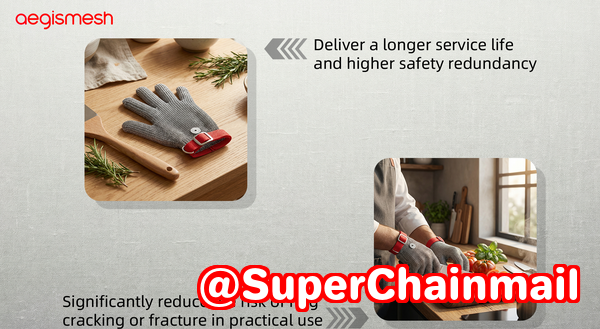
Understanding chainmail quality is about more than appearances. It’s about inspecting the details: welded rings, stainless steel grades, wire thickness, and weave patterns like the European 4-in-1. Over the years, I’ve learned how to teach staff to recognize and handle high-quality chainmail safely, and I want to share that approach with you.
Common Pain Points When Evaluating Chainmail
Even seasoned buyers face challenges when assessing chainmail. Here are a few issues I’ve repeatedly noticed:
1. Difficulty distinguishing welded rings from open rings
It sounds simple, but I’ve seen many buyers assume all rings are secure. Open ringsthose that aren’t welded or rivetedcan separate under stress, rendering a piece unsafe. Staff often hesitate because they’re unsure whether the chainmail will hold up during daily use, especially in industrial environments.
2. Uncertainty about stainless steel grades
Not all stainless steel is created equal. Some suppliers use 304 stainless steel, which is resistant to corrosion but less durable under heavy wear. Others use 316 stainless steel, offering superior corrosion resistance and strength. Choosing the wrong grade can mean chainmail that rusts or weakens faster than expected, particularly in food processing or outdoor applications.
3. Weak or inconsistent weaves
The pattern of the rings isn’t just decorative. The European 4-in-1 weave, for instance, distributes force evenly, enhancing durability. Poorly woven chainmail may look good on display but won’t hold up when stretched, pulled, or struck, leading to gaps or failures under stress.
These pain points can create real safety risks. Fortunately, there are clear ways to evaluate chainmail quality before putting your staff or your investment at risk.
Introducing Aegimesh Chainmail
Over time, I’ve found that using a trusted reference like Aegimesh Chainmail makes this process much easier. Their guide and inspection tools help you spot welded rings, determine the right stainless steel grade, measure wire thickness, and inspect weave patterns for strength.
Here’s how I approach chainmail inspection with staff, step by step:
Step 1: Check the Material Type
First, determine whether the chainmail is made from 304 or 316 stainless steel.
-
304 stainless steel is excellent for decorative use or light industrial tasks. It resists rust in normal conditions but may corrode under heavy exposure to moisture or chemicals.
-
316 stainless steel is the gold standard for heavy-duty, cut-resistant chainmail. It withstands saltwater, acids, and frequent cleaning, making it ideal for food processing or rigorous industrial work.
I tell my team: “If you’re handling food or heavy-duty tasks, insist on 316 stainless steel. It’s worth paying a little extra to ensure long-term durability.”
Step 2: Inspect Ring Welding
The next step is ensuring each ring is properly welded.
-
Look for a visible seam along the ring; it should be smooth and fully closed.
-
Avoid rings that show gaps or uneven weldsthey can split under tension.
-
If possible, gently twist a few rings to see if they resist separation. High-quality welded rings hold firm without deformation.
During a recent training, I had one staff member attempt to open a ring with a small tool. The welded rings stayed intact, while a few low-quality samples immediately bent apartan instant demonstration of why inspection matters.
Step 3: Evaluate Wire Thickness and Inner Diameter
These measurements directly affect strength and flexibility.
-
Wire thickness: Thicker wire usually means stronger chainmail. For industrial or cut-resistant uses, aim for wire diameters above 1.5 mm. For cosplay or decorative items, slightly thinner wire may be acceptable.
-
Inner diameter: Consistency matters. Uniform rings prevent weak spots where rings can shift or separate. Irregular diameters can compromise both protection and appearance.
I often have staff feel the difference between heavy, solid rings and lighter, flimsy ones. The tactile experience reinforces why quality matters.
Step 4: Check the Weave Pattern
Not all weaves are created equal. The European 4-in-1 weave is a benchmark for strength: each ring passes through four others, distributing stress evenly across the fabric.
-
Inspect a small section by bending it. High-quality European 4-in-1 chainmail will maintain its structure, returning to shape without gaps.
-
Avoid chainmail with irregular or loose weaves, especially for protective purposes. Even small gaps can become failure points under stress.
For demonstration, I had staff pull a small section of high-quality Aegimesh chainmail. The weave held tight, and everyone could see how well it maintained its integrity under tension.
Step 5: Practical Testing
Even after visual inspection, a simple hands-on test helps confirm quality.
-
Pull test: Gently pull on a small section to check for flexibility and resistance. Strong chainmail bends without rings opening.
-
Corrosion check: Look for discoloration, pitting, or rough edges. Signs of rust indicate low-quality steel or poor finishing.
-
Use-case matching: Decide whether the chainmail is for cosplay, industrial work, or food handling. Different applications have different strength and corrosion requirements.
I remind staff: “Never assume all chainmail is equally protective. A quick pull and inspection can prevent serious accidents.”
Benefits of Proper Chainmail Inspection
Teaching your team these inspection methods has several advantages:
-
Avoid unsafe purchases: Ensure chainmail can withstand intended use, protecting staff from injury.
-
Ensure durability: High-quality chainmail lasts longer, whether for work, display, or cosplay.
-
Save money: Avoid paying for low-quality products that wear out quickly or fail safety checks.
-
Educate staff: Hands-on training reinforces understanding of materials and craftsmanship.
By integrating these checks into daily routines, I’ve noticed both staff confidence and workplace safety improve dramatically.
Conclusion
Evaluating chainmail quality doesn’t have to be confusing. By following these stepschecking material type, inspecting welded rings, measuring wire thickness, and assessing weave patternsyou can confidently identify chainmail that is both safe and durable.
I highly recommend following these steps to ensure any chainmail purchase meets safety and durability standards. Your staff will handle it with confidence, and your investment will last.
Learn more about identifying high-quality chainmail products: https://www.aegimesh.com/
Check out our detailed chainmail inspection guide today.
FAQ
1. How can I tell if a chainmail ring is welded or open?
Look for a visible seam along the ring. Welded rings have a smooth, continuous closure. Open rings may bend or separate under light pressure.
2. Which stainless steel grade is best for long-lasting chainmail?
For heavy-duty or industrial use, 316 stainless steel is recommended due to superior corrosion resistance and durability. 304 stainless steel is suitable for light use or decorative purposes.
3. How do I inspect the weave pattern for strength?
Check that each ring passes through the correct number of neighboring rings (four for European 4-in-1). The weave should remain tight and uniform when gently stretched.
4. What are the signs of low-quality or unsafe chainmail?
Look for open or poorly welded rings, inconsistent wire thickness, irregular inner diameters, loose weaves, and signs of corrosion or rough edges.
5. Can decorative chainmail be used for protective purposes?
Generally, decorative chainmail is not designed for protection. Only chainmail made with strong materials, proper welds, and consistent weaves should be used for industrial or cut-resistant applications.
6. How do I choose the right chainmail for industrial vs cosplay use?
Industrial chainmail should use 316 stainless steel, welded rings, consistent wire thickness, and a European 4-in-1 weave. Cosplay chainmail can be lighter, with thinner wire and less stringent weld standards, but should still be safe to handle.
7. How do I perform a simple chainmail inspection at home or at work?
Check material type, welds, wire thickness, and weave pattern. Perform a gentle pull test, inspect for corrosion, and confirm the weave holds its shape under stress.
Tags / Keywords:
chainmail quality, welded rings, stainless steel chainmail, cut-resistant chainmail, chainmail inspection, European 4-in-1 weave, steel metal chainmail durability, industrial chainmail, cosplay chainmail, protective chainmail