Chainmail in Steel Armor Design and Construction Tips
When purchasing chainmail, whether for historical reenactments, industrial applications, or cosplay, it’s easy to fall into the trap of buying something that looks good but doesn’t quite meet the mark in terms of quality. If you’ve ever wondered why some pieces of chainmail feel flimsy or fail to live up to their promise of durability and protection, you’re not alone. As someone who’s been in the chainmail world for a while, I’ve seen first-hand how difficult it can be to tell the difference between high-quality chainmail and low-quality imitations. Let me share with you some tips for inspecting chainmail so you can make sure you’re getting exactly what you need.
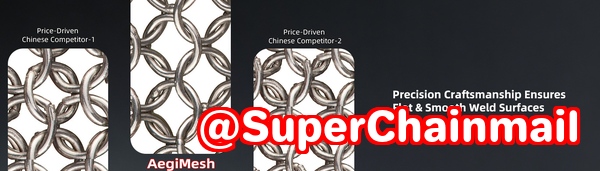
Common Problems When Evaluating Chainmail Quality
Purchasing chainmail, especially if you’re new to it, can be overwhelming. The sheer variety of options available, not to mention the technical details you might not be familiar with, can make it difficult to judge whether you’re investing in a quality product. Here are a few common issues you might run into when evaluating chainmail:
-
Welded vs Open Rings: It can be hard to distinguish between welded rings (which are more durable) and open rings (which are often weaker and prone to breaking).
-
Stainless Steel Grades: Not all stainless steel is created equal. The grade of stainless steel used in the construction of the chainmail significantly impacts its durability, corrosion resistance, and overall strength.
-
Weak Weaves: Weave patterns like the European 4-in-1 are known for their durability, but many cheaper chainmail products might cut corners with inconsistent or poorly executed weaves, compromising their integrity.
While these may sound like technical issues, with a little know-how, you can easily spot them and make more informed purchasing decisions. I’ll walk you through how to evaluate these factors so you can feel confident about your chainmail purchases.
Step-by-Step Guide to Inspecting Chainmail Quality
So, how do you make sure you’re getting high-quality chainmail? It all comes down to a few simple inspection techniques. Let’s break it down into manageable steps:
1. Check the Material Type
The first thing to look at is the material. The quality of the steel used in the chainmail rings is crucial. Generally, stainless steel is the best option for both strength and corrosion resistance. However, not all stainless steel is the same. You’ll want to make sure you’re looking at either 304 stainless steel or 316 stainless steel.
-
304 Stainless Steel: This is the most common type of stainless steel used in chainmail. It offers good corrosion resistance and strength but isn’t the best option for environments exposed to saltwater or extreme conditions.
-
316 Stainless Steel: This is more durable and corrosion-resistant, making it a better choice for outdoor or industrial use where exposure to harsh environments (like salt or chemicals) is likely.
If the product description doesn’t mention the specific grade of stainless steel, it’s worth asking the seller or manufacturer for clarification.
2. Inspect the Welds
Next up is checking the welds on the rings. High-quality chainmail should feature welded rings, where the ends of each ring are fused together to form a solid bond. This makes the chainmail stronger and more durable compared to open rings, where the ends of the rings are simply bent together.
To test the welds, lightly tug at the rings with your fingers or use a tool like pliers to pull them apart. If you can separate the rings with little force, the product is probably made with open rings, which will fail more easily under stress.
3. Wire Thickness and Ring Diameter
The thickness of the wire and the diameter of the rings can greatly impact the overall strength and durability of the chainmail. For industrial use or any application requiring significant protection, you’ll want to go with thicker wire and larger ring diameters.
-
Wire Thickness: Thicker wire means the chainmail will be stronger and more resistant to wear and tear. Look for chainmail with at least 16 gauge wire if you’re using it for cut protection or heavy-duty applications.
-
Ring Diameter: The inner diameter of the rings is also a factor. A smaller diameter offers more strength because it creates a denser weave, but it may not be as comfortable or flexible for use in cosplay or historical reenactments.
4. Evaluate the Weave Pattern
The weave pattern is essential for both strength and flexibility. The European 4-in-1 weave is one of the most popular and reliable choices. It’s used in high-quality chainmail because it offers an excellent balance between flexibility and protection. Each ring is passed through four others, creating a tight and durable mesh that resists tearing or breaking.
When inspecting a piece of chainmail, check that the rings are consistently arranged and tightly woven. A poor weave can compromise the entire piece, leading to weak spots that will degrade over time.
5. Perform a Simple Pull Test
One of the easiest ways to test a chainmail’s durability is by performing a pull test. Simply grab a small section of the chainmail and pull it in opposite directions. If it feels like the rings are coming loose or the weave is stretching too much, this is a sign that the quality of the construction isn’t up to standard.
Why Proper Inspection Matters
Properly inspecting chainmail before purchasing isn’t just about making sure it looks goodit’s about ensuring the product will perform as expected and last over time. Here are a few key benefits of doing a thorough inspection:
-
Safety: For industrial or food-processing applications, weak or poorly made chainmail could lead to injuries or contamination. You want to make sure that your chainmail is sturdy and will protect you as promised.
-
Durability: Low-quality chainmail might break or tear after a few uses, costing you money in replacements. High-quality chainmail is built to last, saving you both time and money.
-
Performance: Whether you’re using chainmail for cosplay, reenactments, or as a decorative piece, a well-made item will not only look better but will also hold up under wear and tear.
Conclusion
When buying chainmail, it’s essential to know how to distinguish high-quality pieces from low-quality imitations. By following the steps outlined herechecking the material, inspecting the welds, evaluating the wire thickness and ring diameter, and assessing the weave patternyou can be confident in your purchase and avoid costly mistakes.
I highly recommend following these steps to ensure any chainmail purchase meets safety and durability standards. Whether you’re in need of industrial cut protection, historical replicas, or just a cool piece for cosplay, Aegimesh Chainmail offers products that meet these high standards of quality.
Learn more about identifying high-quality chainmail products: https://www.aegimesh.com/
Check out our detailed chainmail inspection guide today!
FAQs
How can I tell if a chainmail ring is welded or open?
You can distinguish welded rings by tugging on them. If they’re welded, they’ll hold firm under pressure, while open rings will pull apart more easily.
Which stainless steel grade is best for long-lasting chainmail?
For long-lasting durability, especially in harsh conditions, 316 stainless steel is recommended. If you’re working in less demanding environments, 304 stainless steel will still offer good protection.
How do I inspect the weave pattern for strength?
Look for tight, consistent weaves like the European 4-in-1, which ensures a durable and flexible chainmail design.
What are the signs of low-quality or unsafe chainmail?
Signs of poor quality include open rings, weak welds, inconsistent weave patterns, and thin wire that bends easily. If it feels flimsy or breaks with minimal force, it’s not up to par.
Can decorative chainmail be used for protective purposes?
Decorative chainmail, such as those used for cosplay or historical replicas, may not provide the same level of protection as industrial-grade chainmail. Make sure to choose the right type based on your needs.
How do I choose the right chainmail for industrial vs cosplay use?
For industrial use, opt for thicker wire and larger rings to provide maximum protection. For cosplay or decoration, focus on lighter, more flexible chainmail that still looks authentic but isn’t intended for heavy-duty protection.
Keywords
chainmail quality, welded rings, stainless steel chainmail, cut-resistant chainmail, chainmail inspection, European 4-in-1 weave