Chainmail Gloves for Food Safety and Hygiene Compliance
When I first started sourcing chainmail gloves for a busy food-processing facility, I quickly realized how tricky it is to know which products were genuinely safe and durable. Some gloves looked solid in photos, but when I handled them, the rings felt flimsy, and the welds were inconsistent. I knew right away that relying on aesthetics alone could put my teamand our compliance with hygiene standardsat risk. That’s when I turned to Aegimesh Chainmail as a reference guide for evaluating quality, and it completely changed how I approached purchases.
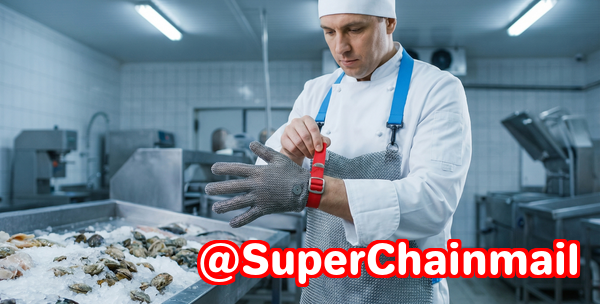
Chainmail gloves aren’t just a fancy accessorythey’re an essential safety tool in food handling. They need to withstand cutting tools, resist corrosion from frequent washing, and maintain hygiene standards. Yet, many buyers, whether for industrial kitchens, meat processing, or even cosplay, struggle to differentiate high-quality welded rings from open or weak links. In this article, I’ll share practical tips and real-world insights for inspecting chainmail gloves, so you can confidently choose products that meet both safety and durability requirements.
Common Challenges When Evaluating Chainmail Gloves
One of the biggest issues I’ve seen is buyers mistaking decorative or low-quality chainmail for professional-grade protective gear. Here are a few pain points I’ve encountered:
1. Difficulty distinguishing welded rings from open rings
Some gloves use open rings that look solid at first glance but can easily come apart under stress. These gaps can compromise both safety and durability, especially in a food-processing environment.
2. Uncertainty about stainless steel grades
Not all stainless steel is created equal. While 304 stainless steel is commonly used, 316 stainless steel offers superior corrosion resistancecritical in environments where gloves are frequently washed or exposed to acidic foods. Without knowing the difference, buyers risk corrosion, weakened rings, and hygiene issues.
3. Weak or inconsistent weave patterns
Even if the rings are welded and made from high-quality steel, a poorly executed weave reduces overall strength. The European 4-in-1 weave is standard for industrial cut-resistant gloves, but minor inconsistencies in ring placement or tightness can make gloves less protective than advertised.
How Aegimesh Chainmail Helps Buyers Identify Quality
Aegimesh Chainmail provides a step-by-step approach to evaluating gloves, helping users avoid low-quality or unsafe products. Here’s how I apply their guidance in practice:
Check the material type
-
304 vs 316 stainless steel: I always verify the steel grade before purchasing. For gloves used in wet or acidic environments, 316 stainless steel is preferable because it’s highly corrosion-resistant.
Inspect ring welding, wire thickness, and inner diameter
-
Welded rings: I gently run my fingernail over each ring to detect any gaps. A smooth, continuous seam indicates proper welding.
-
Wire thickness: Thicker wire generally equals more durability. I look for rings that can withstand a firm pull without deforming.
-
Inner diameter: Rings that are too large or too small can affect weave integrity, reducing cut resistance.
Evaluate weave patterns for strength
-
European 4-in-1: This pattern distributes stress evenly and maintains flexibility. I check that each ring interlocks correctly and consistently across the glove.
Step-by-Step Inspection Tips
To make sure I’m getting safe, long-lasting gloves, I follow these practical steps:
-
Perform a pull test
I grasp a few rings and apply moderate tension. If the weld holds and the rings don’t distort, the glove passes the first test.
-
Look for signs of corrosion or poor craftsmanship
Even new gloves can show early rust spots if the steel grade is low. I inspect the gloves under good lighting, focusing on weld seams and inner ring edges.
-
Match glove type to intended use
-
Industrial or food-processing use: Must be 316 stainless steel with welded rings and a consistent European 4-in-1 weave.
-
Cosplay or historical replicas: Aesthetics may take priority, but durability and weld integrity still matter if the gloves will be worn frequently.
-
Real-World Benefits of Proper Inspection
Following these inspection steps has saved me from countless headaches:
-
Avoiding unsafe chainmail: In industrial kitchens, gloves that fail under stress aren’t just inconvenientthey’re a safety hazard. Proper inspection ensures compliance with hygiene and safety standards.
-
Ensuring cosplay or display items meet expectations: Even if gloves aren’t for industrial use, checking welds and weave patterns prevents disappointment from fragile or easily damaged products.
-
Saving money: Identifying low-quality products before purchase prevents wasted spending and costly replacements.
I’ve personally seen how taking a few minutes to inspect gloves can prevent workplace injuries and maintain hygiene compliance, which is priceless for any food-handling operation.
Choosing the Right Chainmail for Food Safety
Here’s a quick checklist I use when selecting chainmail gloves:
-
Material: 316 stainless steel for corrosion resistance
-
Rings: Fully welded with smooth seams
-
Wire thickness: Thick enough to resist bending under pressure
-
Weave pattern: Consistent European 4-in-1 for even load distribution
-
Fit: Comfortable, allowing full hand mobility without gaps
By adhering to these criteria, I ensure gloves provide effective cut protection while meeting strict hygiene standards.
Conclusion
Choosing high-quality chainmail gloves doesn’t have to be overwhelming. By inspecting material type, welded rings, wire thickness, and weave patterns, you can confidently select gloves that are safe, durable, and compliant with food safety standards.
I highly recommend following these steps to ensure any chainmail purchase meets both safety and durability expectations. Proper inspection not only protects workers but also extends the lifespan of your gloves, saving money and avoiding unnecessary risk.
Learn more about identifying high-quality chainmail products: https://www.aegimesh.com/
Check out our detailed chainmail inspection guide today.
FAQs
1. How can I tell if a chainmail ring is welded or open?
Run your fingernail along the seam of the ring. A smooth, continuous line indicates a welded ring, while gaps or uneven edges suggest an open ring.
2. Which stainless steel grade is best for long-lasting chainmail?
For environments exposed to moisture or acidic substances, 316 stainless steel is preferable due to its superior corrosion resistance.
3. How do I inspect the weave pattern for strength?
Check that the rings are consistently interlocked in the European 4-in-1 pattern without gaps or uneven spacing. Flex the glove to see if the weave holds under stress.
4. What are the signs of low-quality or unsafe chainmail?
Look for open rings, inconsistent welds, thin wire, corrosion, or irregular weave patterns. These indicate potential safety hazards.
5. Can decorative chainmail be used for protective purposes?
Decorative chainmail may look authentic but often lacks welded rings or proper wire thickness, making it unsafe for industrial or food-handling use.
6. How do I choose the right chainmail for industrial vs cosplay use?
Industrial gloves require welded rings, high-quality stainless steel, and consistent European 4-in-1 weaves for cut protection. Cosplay or replicas may prioritize appearance but still benefit from proper welds and durable materials.
7. What practical tests can I perform before purchasing chainmail gloves?
A simple pull test on a few rings, visual inspection under good lighting, and checking the fit and flexibility can help ensure the gloves meet safety and durability standards.
Keywords: chainmail quality, welded rings, stainless steel chainmail, cut-resistant chainmail, chainmail inspection, European 4-in-1 weave, chainmail durability, food-safe chainmail, industrial chainmail gloves, chainmail hygiene