Chainmail Boleros in Food Processing Safety: How to Identify High-Quality Chainmail for Protection
When you’re looking for chainmail for safety or as part of your collection, one of the biggest hurdles can be identifying high-quality products. Whether you’re a buyer seeking industrial cut protection, a food processor looking for durability, or a cosplayer hoping to get the right look, the stakes are high. You don’t want to waste money on low-quality or unsafe chainmail that won’t meet your needs. Chainmail can be a lifesaver in the right handsquite literallybut only if it’s made well. Here’s how to ensure you’re getting the best.
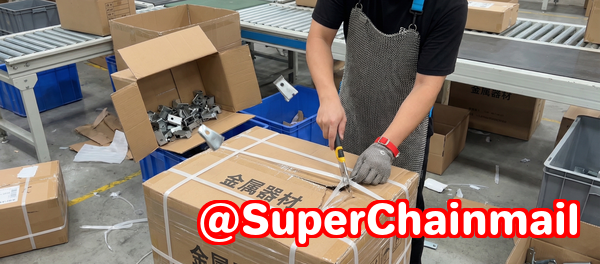
Why Chainmail Matters in Food Processing Safety
Imagine you’re working in a busy food processing plant, cutting vegetables or preparing meat. The job is demanding, with sharp knives constantly in use. One wrong move, and you could be facing a serious injury. This is where high-quality chainmail boleros come in, offering a level of protection that could mean the difference between a serious cut and a safe workday.
In industries like food processing, safety is paramount, and that includes the equipment you wear. But chainmail isn’t just a catch-all solution. To ensure that it protects as promised, you need to know how to identify high-quality chainmail that’s both durable and reliable.
Common Problems When Choosing Chainmail
When purchasing chainmail, many buyers face common pain points that can be hard to overcome without the right knowledge. Whether you’re buying for safety, cosplay, or historical reenactment, here are some issues you might come across:
-
Difficulty Telling the Difference Between Welded and Open Rings
Welded rings are stronger and more secure, while open rings can be flimsy and fall apart more easily. If you’re getting chainmail for industrial or food processing use, it’s essential to choose welded rings for better durability. But how do you tell them apart?
-
Uncertainty About Stainless Steel Grades
Not all stainless steel is the same. You may hear terms like 304 or 316 stainless steel, but how do you know which one is best for your needs? Understanding which grade will provide better resistance to corrosion and ensure long-lasting use is critical, especially in environments like food processing, where cleanliness and durability are key.
-
Weak or Inconsistent Weaves
The pattern in which the rings are woven togetherwhether it’s European 4-in-1, 6-in-1, or another stylecan affect the chainmail’s strength. A poorly woven pattern or inconsistent weaving will compromise the product’s overall durability.
How to Ensure You’re Getting High-Quality Chainmail
The good news is, with the right guidance, you can easily spot the difference between high-quality and low-quality chainmail. Here are some key tips to help you evaluate a product before making your purchase:
1. Check the Material: 304 vs. 316 Stainless Steel
The first thing to do when inspecting chainmail is to check the material. Stainless steel is generally the material of choice, but there are different grades to consider.
-
304 Stainless Steel is a common choice, but it’s prone to corrosion in harsh environments, which might not be suitable for long-term industrial or food processing use.
-
316 Stainless Steel is superior when it comes to corrosion resistance. It’s more durable and can withstand exposure to chemicals, salt, and other harsh conditions, making it the best option for environments like food processing where cleanliness and safety are top priorities.
2. Inspect the Welding of the Rings
Welded rings are a clear indicator of quality. Unlike open rings, which can be made from loose links that fall apart easily, welded rings are fused together, providing a more secure and durable weave. Here’s how you can check if the rings are welded:
-
Look closely at the inside of each ring. You should see a clear sign of fusion where the metal has been joined together.
-
Try gently pulling the rings apart. If the rings come apart easily or feel flimsy, they are likely open rings, and you may want to look elsewhere.
3. Evaluate the Ring Thickness and Diameter
Chainmail rings come in different thicknesses and diameters. The best way to evaluate them is by considering the purpose of the chainmail.
-
For industrial safety, thicker wire and smaller inner diameters provide more protection from sharp objects.
-
For cosplay, the appearance of the rings may be more important than their functional strength, but ensure that the rings are still sturdy enough to hold the weave together.
To measure, use a caliper to check the wire thickness and the inside diameter of the rings. Thicker wires and smaller diameters will generally mean stronger, more durable chainmail.
4. Inspect the Weave Pattern
One of the most common weave patterns for chainmail is the European 4-in-1 pattern, which is known for its balance of flexibility and strength. To check the weave:
-
Lay the chainmail flat and examine the pattern. It should have a consistent 4-in-1 or similar arrangement where each ring is interconnected with four others.
-
Look for any weak spots where the rings don’t line up correctly, which could indicate poor craftsmanship.
5. Conduct the Pull Test
A simple and effective way to assess the strength of your chainmail is by performing a pull test:
-
Hold a section of the chainmail and pull gently on the rings. If the rings stay secure and don’t shift or pull apart, it’s a good sign that the product is made well.
-
If the rings start to loosen or the weave feels weak, it’s likely not up to the standard you need.
6. Check for Corrosion or Poor Craftsmanship
Even if the chainmail looks solid, it’s important to check for signs of corrosion. In environments like food processing, where cleanliness is critical, any rust or tarnish could compromise the safety of the chainmail.
-
Look for any rust spots, discolored areas, or pitting on the rings.
-
Feel the surface of the chainmail to check for any rough or sharp spots that might suggest poor craftsmanship.
Why Proper Chainmail Inspection Matters
By following these inspection steps, you’re not only ensuring the safety and durability of your chainmail but also avoiding costly mistakes. Here’s why you should care about the quality of your chainmail:
-
Safety: Low-quality chainmail can easily fail under stress, leaving you vulnerable to cuts or injuries. This is especially crucial in industries like food processing, where safety is critical.
-
Durability: Properly made chainmail lasts longer and can handle the demands of tough environments.
-
Cost-Effectiveness: It’s better to spend a little more on quality chainmail than to risk your money on something that won’t perform as needed, saving you from having to replace it too soon.
Conclusion: Get the Right Chainmail for the Job
In my experience, the key to choosing the right chainmail is knowing how to inspect it. I highly recommend following these steps to ensure any chainmail purchase meets safety and durability standards. Whether you’re buying for industrial protection, cosplay, or just collecting a piece of history, don’t settle for anything less than the best. By carefully inspecting material quality, ring welding, wire thickness, and weave patterns, you can avoid unsafe purchases and get a product that will serve you well for years to come.
To learn more about identifying high-quality chainmail products, check out our detailed chainmail inspection guide at Aegimesh.
FAQ
-
How can I tell if a chainmail ring is welded or open?
Look closely for a fusion mark on the inside of the ring. Welded rings will have a clear indication of where the metal has been fused together, while open rings are simply linked together.
-
Which stainless steel grade is best for long-lasting chainmail?
316 stainless steel is the best choice for industrial or food processing use due to its superior resistance to corrosion, whereas 304 stainless steel is more prone to rust.
-
How do I inspect the weave pattern for strength?
A solid, well-made weave pattern like European 4-in-1 is key for strength. Check for any irregularities in the pattern and ensure the rings are securely connected.
-
What are the signs of low-quality or unsafe chainmail?
Weak welds, poor craftsmanship, visible corrosion, and inconsistent weaves are all signs of low-quality chainmail. Always inspect closely before purchasing.
-
Can decorative chainmail be used for protective purposes?
Decorative chainmail, while aesthetically pleasing, is generally not made for protection. Always choose chainmail designed for safety if you need it for industrial or food processing work.
-
How do I choose the right chainmail for industrial vs. cosplay use?
For industrial use, prioritize welded rings, thick wire, and corrosion-resistant stainless steel. For cosplay, appearance may be more important, but it should still be durable enough for wear.
-
How can I save money when purchasing chainmail?
By learning how to inspect chainmail for quality, you can avoid spending money on low-quality products that won’t last or serve your needs.
Keywords
-
chainmail quality, welded rings, stainless steel chainmail, cut-resistant chainmail, chainmail inspection, European 4-in-1 weave, chainmail durability