Chainmail Boleros Designed for Industrial Use
When it comes to industrial applications or even cosplay, choosing the right chainmail can be a daunting task. It’s not just about aesthetics; it’s about ensuring that the chainmail you purchase will serve its intended purpose, be it protection from cuts or adding a historical touch to a costume. I’ve been there myself, staring at racks of chainmail wondering, “How can I tell if this is a quality product?” That uncertainty is all too common, and today, I want to share a few tips that can save you a lot of time and money when it comes to evaluating chainmail for your needs.
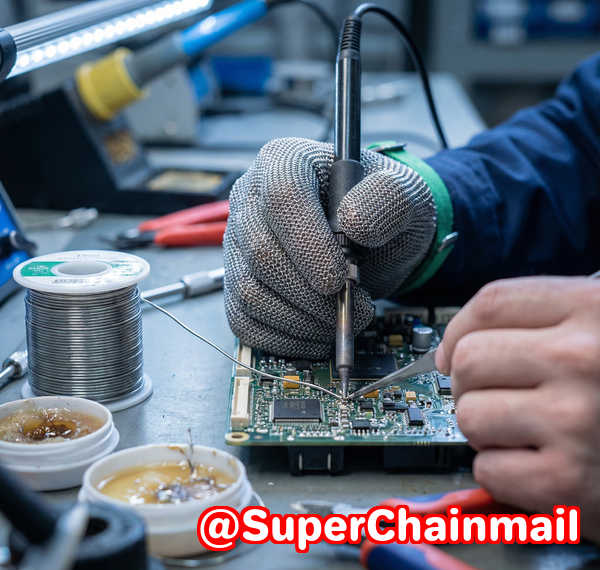
Chainmail boleros, specifically designed for industrial use, can be a great way to combine both safety and style. But how do you know which chainmail products are genuinely high-quality and not just decorative? Let’s dive into the common issues people face when selecting chainmail, and how you can avoid making the wrong purchase.
Common Pain Points in Evaluating Chainmail
Let’s face itchainmail can look deceptively simple. It’s just a bunch of metal rings linked together, right? But when you start looking for chainmail that’ll actually protect you or look the part in a costume, you’ll quickly realize that not all chainmail is created equal. Here are a few pain points that buyers often encounter:
-
Welded vs. Open Rings:
Many people struggle to differentiate between welded rings and open rings. Open rings are often cheaper, but they’re also weaker and more prone to falling apart. If you’re buying chainmail for protection, this is a critical difference.
-
Stainless Steel Grades:
Not all stainless steel is created equal. You may come across products boasting about being made of “stainless steel” but not specifying the grade. Did you know there are different grades like 304 and 316? The latter is far more corrosion-resistant, especially in food processing and industrial environments.
-
Inconsistent Weaves:
A common mistake people make when inspecting chainmail is failing to notice an inconsistent or flawed weave pattern. If the weave is not uniform, the chainmail will be weaker and less durable, making it unsuitable for industrial use.
These issues often result in buyers purchasing chainmail that’s either unsafe, not durable enough, or simply not fit for the job. Aegimesh Chainmail provides a great solution, offering a guide on how to assess these factors so you can make an informed purchase.
How to Inspect and Verify Chainmail Quality
When shopping for high-quality chainmail, it’s essential to take a closer look at its materials and construction. Here’s a step-by-step guide to help you evaluate chainmail and ensure it meets the necessary standards for industrial use, cosplay, or any other application.
1. Check the Material Type: 304 vs. 316 Stainless Steel
When it comes to durability, stainless steel reigns supreme. However, not all stainless steel is equal. The two most common grades for chainmail are 304 and 316.
-
304 Stainless Steel: This is the most common type used for general purposes. It’s relatively resistant to rust, but not as strong as 316 stainless steel.
-
316 Stainless Steel: This grade is far more corrosion-resistant, which is especially important in industries where exposure to chemicals, water, or high humidity is common. For example, food processing environments often demand 316-grade stainless steel because it resists rust and corrosion better.
For industrial use, I highly recommend looking for chainmail made from 316 stainless steel if you want longevity and strength, especially in harsh environments.
2. Inspect the Ring Welding
Welded rings are the hallmark of durable chainmail. Open rings (which are simply bent wire) are cheaper, but they compromise the overall strength of the weave. When evaluating chainmail, gently tug on the rings to check for any signs of movement or detachment. If the rings shift or bend too easily, you’re likely looking at open rings rather than welded ones.
If you’re uncertain about whether the rings are welded, take a close look at the ends of the rings. A proper welded ring should have a seamless, clean weld mark. A poorly welded ring may have gaps or visible signs of weakness.
3. Evaluate Wire Thickness and Ring Diameter
The thickness of the wire and the inner diameter of each ring are key factors that determine the strength of the chainmail. Thicker wire means more strength, and smaller rings increase the overall tightness of the weave.
For industrial use, I recommend a wire thickness of at least 0.8mm and a ring diameter that ensures a snug, uniform weave. A tight weave improves protection against cuts and abrasions.
4. Inspect the Weave Pattern
Chainmail is woven in various patterns, but the most popular and strong weave is the European 4-in-1 pattern. This is where each ring passes through four others, creating a sturdy, tight weave.
Look closely at the weave patternare the rings evenly spaced and consistent in their alignment? A good-quality weave should have symmetry and a clean finish. Any irregularity in the pattern can result in weaknesses that may lead to the chainmail falling apart under stress.
Benefits of Proper Chainmail Inspection
Properly inspecting chainmail may seem like a tedious task, but the benefits far outweigh the effort. Here’s what you’ll gain by following the steps above:
-
Avoiding Unsafe Chainmail: If you’re looking for chainmail for industrial or food-processing purposes, an incorrect weave or low-quality material can compromise safety.
-
Ensuring Durability: By inspecting material, wire thickness, and welds, you ensure that the chainmail can withstand the wear and tear of industrial work or rigorous cosplay events.
-
Saving Money: Low-quality chainmail might look tempting due to its lower price, but it’ll only cost you more in the long run if it needs to be replaced frequently. High-quality chainmail can last for years.
Practical Tips and Step-by-Step Guidance
To ensure that your chainmail is of the highest quality, here are a few practical tips:
-
Perform a Pull Test: Gently pull on the rings to check if they stay in place. If the rings shift or come apart, the chainmail may not be durable enough for your needs.
-
Look for Signs of Corrosion: Even the best chainmail can corrode over time, especially in wet or humid environments. Look for rust or discoloration around the ringsthis could be a sign of inferior stainless steel or poor-quality welding.
-
Match the Chainmail to Its Intended Use: For industrial use, opt for a tighter weave like European 4-in-1, and ensure the rings are made of 316 stainless steel. For cosplay or decorative uses, the weave can be looser, but you should still ensure it’s strong enough to hold its shape.
Conclusion: Make the Right Choice
Evaluating chainmail doesn’t have to be a complicated process. By following these inspection methods, you can ensure your purchase meets the necessary standards for safety, durability, and strength. I highly recommend taking the time to inspect your chainmail before you buy. A small investment in proper evaluation can save you from poor-quality purchases and potential safety risks.
If you’re looking for a trusted source for high-quality chainmail products, Aegimesh Chainmail offers an excellent range of options that are built to last. To learn more about identifying quality chainmail, check out our detailed inspection guide today.
Learn more about identifying high-quality chainmail products: Aegimesh Chainmail
FAQs
1. How can I tell if a chainmail ring is welded or open?
Look for a smooth, seamless connection at the ends of the rings. Welded rings will have no visible gap, while open rings may have a slight opening.
2. Which stainless steel grade is best for long-lasting chainmail?
316 stainless steel is the best option for industrial use due to its superior corrosion resistance.
3. How do I inspect the weave pattern for strength?
Look for a consistent, tight, and symmetrical weave pattern. European 4-in-1 is a strong, reliable pattern.
4. What are the signs of low-quality or unsafe chainmail?
Weak rings, inconsistent weaves, rust, and poor craftsmanship are all signs of low-quality chainmail.
5. Can decorative chainmail be used for protective purposes?
Decorative chainmail may not be strong enough for protection. For safety, look for chainmail designed with durability and strength in mind.
6. How do I choose the right chainmail for industrial vs cosplay use?
For industrial use, opt for a tight, strong weave with 316 stainless steel rings. For cosplay, lighter, more decorative chainmail may suffice, but durability should still be considered.
7. How do I know if my chainmail will hold up under heavy use?
Look for reinforced welds, thick wire, and a strong, tight weave. Perform a pull test to check for any signs of weakness.
Tags or Keywords
chainmail quality, welded rings, stainless steel chainmail, cut-resistant chainmail, chainmail inspection, European 4-in-1 weave, chainmail durability