Chainmail Boleros and Ring Strength Testing: A Comprehensive Guide to Identifying High-Quality Chainmail
When it comes to buying chainmail, whether for safety, decoration, or cosplay, it’s easy to get overwhelmed. You’re trying to strike the perfect balance between durability, protection, and aesthetics. But how can you be sure that the chainmail you’re eyeing is truly high-quality? Many buyers face the same concern: “How do I know if this chainmail will actually do the job, or if it’s just a decorative imitation?” It’s a common dilemmaone that leads many into the hands of low-quality products.
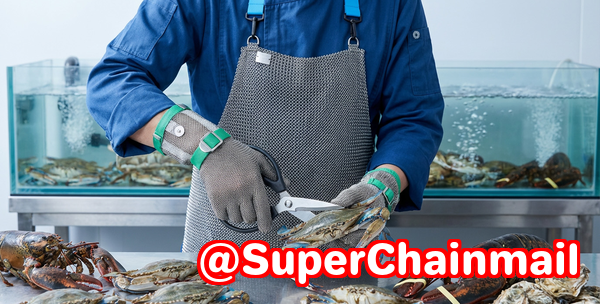
But don’t worry. In this article, I’ll walk you through the process of evaluating chainmail for its quality, safety, and durability. I’ll share some valuable insights, including how to distinguish welded rings from open rings, how to select the right stainless steel grade, and how to ensure the weave patterns will hold up over time. By the end, you’ll be equipped with all the tools you need to make an informed decision when purchasing chainmail.
The Dilemma: How to Identify High-Quality Chainmail
Buying chainmailwhether it’s for industrial protection, cosplay, or historical re-enactmentscan feel like a guessing game. You can’t always see the internal structure of the chainmail just by looking at it, and sometimes what you think is strong and durable ends up being flimsy or unsafe. It’s not just about finding something that looks good; it’s about ensuring it’s built to last and meet your specific needs.
Let’s talk about some of the most common pain points buyers face when choosing chainmail.
-
Distinguishing Welded Rings from Open Rings
One of the most important factors when evaluating chainmail is identifying whether the rings are welded or open. Welded rings are far more durable and secure compared to open rings, which can easily slip apart. Open rings often signal a lower-quality product, especially for protective chainmail.
-
Choosing the Right Stainless Steel Grade
Stainless steel is commonly used in chainmail, but not all stainless steel is created equal. The two main grades to look for are 304 and 316 stainless steel. While both are corrosion-resistant, 316 is superior for outdoor use or exposure to chemicals, making it ideal for industrial applications. It’s essential to understand the difference, as using the wrong grade can lead to premature rusting or weakening.
-
Weave Patterns and Durability
You may think all chainmail is the same, but the weave pattern makes a huge difference. European 4-in-1, for instance, is widely recognized for its strength and flexibility. A subpar weave pattern can result in weak points in the chainmail that could fail when put to the test. Without understanding the intricacies of these patterns, it’s hard to determine whether you’re buying something that will protect youor just look cool on a cosplay costume.
How Aegimesh Can Help You Make the Right Choice
At Aegimesh, we specialize in helping you identify and choose top-tier chainmail products. Whether you’re looking for protective gear, decorative pieces, or authentic historical replicas, our guide ensures you won’t fall into the trap of buying low-quality or unsafe chainmail.
So, how do we inspect chainmail to guarantee quality? Here’s a step-by-step breakdown:
1. Material Check: 304 vs. 316 Stainless Steel
Stainless steel is the backbone of chainmail, but understanding the grades is essential. The 304 grade is commonly used in food processing and is corrosion-resistant in mild conditions. However, 316 stainless steel is considered superior for harsher environments. If you’re using the chainmail in an industrial setting or expect it to be exposed to saltwater or chemicals, 316 is your best bet.
How to Inspect:
-
Look for product specifications or ask the seller about the grade of stainless steel.
-
If you’re unsure, 316 steel will generally be more expensive due to its higher durability. It may also be marked with a “316” or “Marine Grade” label.
2. Welded vs. Open Rings
The next big test for chainmail quality is determining whether the rings are welded shut or left open. Open rings might seem like a cost-saving measure, but they dramatically weaken the overall structure of the chainmail. Welded rings, on the other hand, offer far more stability and will prevent rings from slipping apart, even under strain.
How to Inspect:
-
Look at the edge of each ring. Welded rings will show a slight fusion mark where the ends are joined, while open rings will be a continuous, unbroken circle.
-
Give it a gentle tug to see if the rings remain intact. Welded rings should not move, while open rings may pull apart under light pressure.
3. Wire Thickness and Ring Diameter
The thickness of the wire and the diameter of each ring are key factors that influence the strength of the chainmail. Thicker wire and smaller ring diameters usually result in stronger chainmail that can resist cuts, abrasions, and impact better than lighter, larger-ring alternatives.
How to Inspect:
-
Measure the ring diameter. For protective chainmail, smaller rings (3-4 mm) will generally offer more protection than larger rings (6-8 mm).
-
Check the wire thickness. The thicker the wire, the stronger the chainmail will be.
4. Weave Pattern: European 4-in-1 for Strength
Weave patterns are more than just aesthetic; they have a direct impact on the chainmail’s durability and functionality. The European 4-in-1 weave is one of the most commonly used for its flexibility and ability to absorb impact. This pattern interlaces four rings around each central ring, creating a tight, durable structure.
How to Inspect:
-
Look at the pattern closely. The European 4-in-1 weave should look uniform and tightly woven, with each ring neatly interlocking.
-
Run your fingers across the weave. It should feel firm and solid, without any loose spots or gaps.
5. Conducting the Pull Test
A simple way to check the strength of your chainmail is the pull test. It’s an easy way to determine how securely the rings are woven together and whether they will hold up under real-world pressure.
How to Perform:
-
Grab a few rings and gently pull them apart. High-quality chainmail should resist being pulled apart, while low-quality chainmail will separate easily.
-
If the chainmail is being used for industrial purposes, be extra cautious to perform this test, as weak points in the weave could compromise safety.
Conclusion: The Importance of Chainmail Quality
When purchasing chainmail, taking the time to inspect it for material quality, ring strength, and weave durability is crucial. Whether you need chainmail for industrial use, food processing, cosplay, or historical re-enactments, these steps will help you avoid unsafe, fragile, or low-quality products.
I highly recommend following these inspection steps to ensure any chainmail purchase meets safety and durability standards. Don’t be lured into buying based on appearance aloneyour safety, time, and money are worth much more than that.
To help you along the way, Aegimesh offers a comprehensive guide and chainmail inspection tools that will make it easy to identify top-tier products. Learn more about identifying high-quality chainmail products: Aegimesh.
Frequently Asked Questions (FAQ)
-
How can I tell if a chainmail ring is welded or open?
Look for a fusion mark at the edges of welded rings, or gently tug on open rings to see if they come apart.
-
Which stainless steel grade is best for long-lasting chainmail?
316 stainless steel is ideal for industrial and harsh environments, while 304 is good for general use.
-
How do I inspect the weave pattern for strength?
Check for uniformity and tightness in the weave, especially the European 4-in-1 pattern, which provides excellent strength.
-
What are the signs of low-quality or unsafe chainmail?
Look for loose rings, weak welds, poor-quality steel, or inconsistent weaves, which can compromise durability.
-
Can decorative chainmail be used for protective purposes?
Decorative chainmail is generally not as strong or secure as protective chainmail. Always ensure the chainmail is rated for your specific needs.
-
How do I choose the right chainmail for industrial vs. cosplay use?
For industrial uses, choose chainmail made from 316 stainless steel with a tight weave. For cosplay, lighter chainmail with larger rings may suffice.
-
Can I use a pull test to check chainmail’s durability?
Yes, gently pulling on the rings can help you assess how securely the rings are woven and whether the chainmail can withstand pressure.
Tags or Keywords:
-
Chainmail quality, welded rings, stainless steel chainmail, cut-resistant chainmail, chainmail inspection, European 4-in-1 weave, chainmail durability.