Chainmail Aprons for Professional Butchers: How to Identify High-Quality Chainmail for Safety and Durability
As a professional butcher, you know that safety is always the top priority. Whether you’re working with a sharp cleaver or carving large cuts of meat, you need the right tools to keep you safe. But when it comes to selecting the proper protective gear, such as chainmail aprons, how do you know you’re getting a high-quality product? If you’ve ever wondered whether your chainmail apron is strong enough to withstand daily wear and tear, you’re not alone. Many buyers struggle with identifying which chainmail products offer real, lasting protection and which ones are just for show. Let’s dive into how you can distinguish high-quality chainmail, and why it matters for professionals like you.
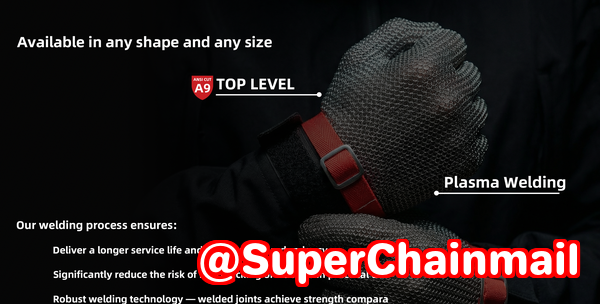
Common Pain Points When Choosing Chainmail
The world of chainmail can be a bit tricky to navigate, especially when you’re not familiar with the finer details. There are several pain points that buyers often face when purchasing chainmail, and many of these issues directly affect both safety and durability.
1. Distinguishing Between Welded and Open Rings
One of the most common issues people face is not knowing whether the rings in a chainmail apron are welded or open. Open rings are less durable and can easily break apart, leaving you unprotected. This is a big problem, especially in an industrial setting where sharp tools are constantly in use.
2. Uncertainty About Stainless Steel Grades
Another key factor to consider is the type of stainless steel used in the chainmail. Not all stainless steels are created equal, and using the wrong grade can lead to corrosion, weakening, and early wear. For example, 304 stainless steel is common, but 316 stainless steel is a higher-quality, corrosion-resistant option.
3. Weave Patterns and Consistency
Chainmail is woven in different patterns, but not all weaves are created equal. For example, the European 4-in-1 weave is known for its strength and durability, making it a popular choice for safety gear. However, not all manufacturers use this pattern, and inconsistent weaves can compromise the structural integrity of your apron.
At Aegimesh, we’ve designed our chainmail aprons to solve these problems, making sure that you get only the highest quality materials and craftsmanship.
How to Inspect Chainmail Quality
To help you avoid the common pitfalls of low-quality chainmail, here’s a simple guide to inspecting and evaluating your chainmail apron.
1. Material Type: Stainless Steel Grade Matters
When it comes to chainmail, material quality is everything. The two most commonly used stainless steel grades are 304 and 316.
-
304 Stainless Steel: While 304 stainless steel is decent for general use, it’s more susceptible to corrosion in harsh conditions (like food handling or outdoor work).
-
316 Stainless Steel: If you want a long-lasting, corrosion-resistant option, 316 stainless steel is the better choice. This grade offers superior protection against rust, which is crucial for butchers and food processors.
If you’re buying an apron for food processing or long-term industrial use, you’ll want to ensure that it’s made from 316 stainless steel, as it will stand up to the demands of constant exposure to moisture, acids, and other corrosive substances.
2. Inspect the Rings: Welded vs. Open
Next, take a closer look at the rings used to create the chainmail.
-
Welded Rings: These are the strongest and most secure option. They are welded shut, which makes them far less likely to open up during use.
-
Open Rings: Open rings are simply bent together and can easily pull apart under stress. This is the cheaper option and should be avoided for professional use.
How to check for welded rings: Hold the ring between your fingers and give it a little pull. If it’s welded, you won’t be able to separate the ends. If it’s open, you might notice a small gap or feel it come apart under pressure.
3. Ring Diameter and Wire Thickness
The diameter of the rings and the thickness of the wire used are also key factors to evaluate.
-
Ring Diameter: A ring that’s too large or too small can compromise the apron’s flexibility and protective capabilities. For professional butchers, you want a diameter that allows the rings to interlock tightly, providing full coverage and flexibility.
-
Wire Thickness: Thicker wire generally means stronger chainmail. Thin wire can bend or break under pressure, so make sure to look for aprons with a sturdy wire gauge that can handle the rough demands of butchery work.
4. Weave Patterns: European 4-in-1 for Strength
Finally, let’s talk about weave patterns. The weave pattern determines the strength and flexibility of the chainmail.
-
European 4-in-1: This is one of the strongest and most commonly used patterns in professional protective gear. Each ring is connected to four others, creating a tight and sturdy weave that can withstand heavy impacts and repeated use.
If you inspect a chainmail apron and notice a weak or inconsistent pattern, it’s likely that it won’t offer the protection you need.
Practical Tips for Identifying Quality Chainmail
Knowing what to look for in a chainmail apron is important, but how do you make sure you’re getting the best product for your money? Here are some practical tips you can use to evaluate chainmail:
-
Perform a Pull Test: Gently pull on the rings to check for strength. A well-made apron will not easily stretch or break.
-
Look for Corrosion: Check for signs of rust or corrosion, especially around the rings. This could indicate poor-quality stainless steel or lack of proper welding.
-
Examine the Weave: Ensure that the weave is tight, even, and consistent. Gaps or irregularities in the weave pattern can make the apron weaker and less durable.
Why It’s Worth It to Invest in Quality Chainmail
When you invest in high-quality chainmail, you’re ensuring your safety and durability. For professional butchers, a high-quality apron is not just about protection from cuts and stabsit’s about long-term durability and reliability. Poor-quality chainmail can compromise your safety, and in the worst case, it could break under pressure, leaving you vulnerable to injury. Not only is that dangerous, but it can also lead to costly replacements.
By following the inspection tips above, you can avoid wasting money on low-quality chainmail and ensure that you’re getting the protection you need.
Conclusion
When it comes to chainmail, quality matters. Whether you’re buying an apron for butchery, food handling, cosplay, or any other purpose, knowing how to identify high-quality chainmail will help you make an informed purchase. Always check the material, welding, wire thickness, and weave pattern. I highly recommend following these steps to ensure any chainmail purchase meets safety and durability standards.
For more tips on identifying high-quality chainmail, check out our detailed inspection guide. Let us help you make the right choice and stay safe, whether you’re working in an industrial setting or simply looking for a durable piece of armor for cosplay.
FAQ
1. How can I tell if a chainmail ring is welded or open?
Simply pull on the ringif it’s welded, the ends will be fused together. Open rings will have a noticeable gap.
2. Which stainless steel grade is best for long-lasting chainmail?
For maximum durability and corrosion resistance, 316 stainless steel is ideal. It’s particularly resistant to rust and is perfect for food handling or industrial use.
3. How do I inspect the weave pattern for strength?
Look for a tight, even pattern. The European 4-in-1 weave is the most reliable and provides the best protection.
4. What are the signs of low-quality or unsafe chainmail?
Signs include open rings, rust or corrosion, inconsistent weave patterns, and weak wire thickness.
5. Can decorative chainmail be used for protective purposes?
Decorative chainmail may not be as durable or safe as functional chainmail made from welded rings and high-quality stainless steel.
6. How do I choose the right chainmail for industrial vs. cosplay use?
For industrial use, look for chainmail made from 316 stainless steel with a tight European 4-in-1 weave. For cosplay, aesthetic features may be more important than durability.
Keywords
chainmail quality, welded rings, stainless steel chainmail, cut-resistant chainmail, chainmail inspection, European 4-in-1 weave, chainmail durability