Chainmail Aprons for Knife and Blade Protection
When you’re working in a kitchen, industrial setting, or involved in cosplay or historical reenactments, the last thing you want is to worry about the integrity of your chainmail gear. Picture this: you’re in the middle of preparing a large cut of meat, and suddenly, your chainmail apron feels flimsy, not offering the protection you need. Unfortunately, this is a common concern many people face when purchasing chainmail for blade protection. So, how do you avoid ending up with a subpar product that could jeopardize your safety or fail to stand up to wear and tear?
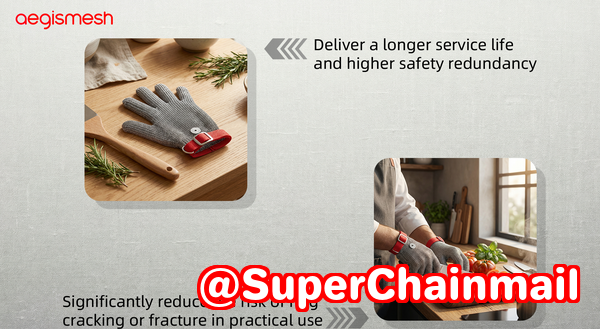
In this article, I’ll walk you through the steps for evaluating chainmail products, focusing on quality indicators that can help you make an informed purchase. Whether you’re buying for industrial use, food processing, or simply for cosplay or collectibles, knowing what to look for will ensure you’re investing in something that’s not only visually appealing but durable and functional too.
Common Chainmail Problems: What to Watch Out For
While chainmail products are known for their strength and historical relevance, not all chainmail is created equal. Here are a few common issues buyers face when purchasing chainmail aprons, gloves, or other protective gear:
-
Welded Rings vs. Open Rings: A common challenge is distinguishing between welded and open rings. Open rings are less durable, and they can unravel more easily. On the other hand, welded rings provide a much stronger, more reliable barrier against cuts and abrasion.
-
Stainless Steel Grade Confusion: When it comes to stainless steel, not all grades are equal. Many low-cost chainmail products use lower-quality grades, such as 304 stainless steel, which may not offer the same level of resistance to corrosion or durability as 316 stainless steel.
-
Inconsistent Weaving: A poor weave can compromise the protective strength of chainmail. Whether it’s the European 4-in-1 weave or another pattern, inconsistent weaves can create weak spots, leaving you vulnerable to cuts.
How to Inspect Chainmail Quality: A Step-by-Step Guide
If you’re serious about purchasing high-quality chainmail, knowing how to inspect its construction is essential. Here are the key factors to evaluate when determining whether the chainmail you’re considering will stand up to the task:
1. Material Quality: Stainless Steel Grades
The first thing you’ll want to check is the material used to make the chainmail. The two most common grades of stainless steel for chainmail are 304 and 316.
-
304 Stainless Steel: This is the most common grade, but it is more prone to corrosion when exposed to harsh chemicals or moisture over time.
-
316 Stainless Steel: Known for its superior corrosion resistance, 316 is the best choice for chainmail that will see heavy use in food processing or outdoor environments.
To determine the material, you can either check the product’s specifications or, if possible, look for a rust or corrosion resistance test. This will help you avoid buying a product that will degrade after only a few uses.
2. Ring Welding: Welded vs. Open Rings
Next, you’ll want to verify the type of rings used in the construction of the chainmail. High-quality chainmail will use welded rings rather than open ones. Open rings can be more susceptible to wear and tear, which can compromise the overall integrity of the chainmail.
To test for welded rings: Lightly press the edge of the ring with your thumb. If you can feel a seam or if it feels like the ring could separate with enough force, it’s likely an open ring. Welded rings will feel more solid and are less prone to coming apart.
3. Wire Thickness and Inner Diameter
Another crucial aspect of chainmail quality is the thickness of the wire and the diameter of the rings. The thicker the wire, the stronger the chainmail will be. Similarly, the diameter of the rings should be consistent, as inconsistent ring sizes can weaken the overall structure.
To test wire thickness, you can compare it to known measurements, like a ruler or caliper, or simply gauge it by eye. Keep in mind that the thicker the wire, the better the chainmail will be at resisting cuts.
4. Weave Pattern: The European 4-in-1 Weave
The most common weave pattern used in high-quality chainmail is the European 4-in-1 weave. This weave uses four rings to interlock through one central ring, creating a durable and flexible structure. It’s widely used in protective gear like aprons and gloves because it offers excellent cut resistance and durability.
To test the weave pattern: Take a look at the rings and see if they interlock properly in a consistent pattern. Any irregularities or gaps could indicate poor craftsmanship, which might compromise the chainmail’s protection.
Why Proper Inspection is Crucial for Buyers
Taking the time to thoroughly inspect chainmail products before purchasing offers several key benefits:
-
Safety First: Poor-quality chainmail may not provide adequate protection, especially in industrial or food-processing environments. Chainmail made from weak material or poorly welded rings could expose you to serious injury.
-
Durability Matters: High-quality chainmail can last for years if well-maintained, saving you money in the long run. You don’t want to waste money on a low-quality product that falls apart after a few uses.
-
Avoiding Decorative Imitations: Some chainmail products are designed more for display than for actual use. By knowing what to look for in terms of material, welding, and weave, you can ensure you’re not just buying something for aesthetics but a functional, durable piece of gear.
-
Informed Decisions: By evaluating chainmail quality yourself, you’ll feel more confident in your purchases, ensuring that you’re investing in products that will meet your needs and last over time.
Tips for Evaluating Chainmail: What to Look For
-
Pull Test: Gently pull on the rings of the chainmail. If they move or bend easily, that’s a red flag. High-quality chainmail will hold its shape and resist pulling apart.
-
Look for Corrosion: Stainless steel should not rust easily, but over time, poor-quality chainmail might show signs of corrosion, especially if it’s made from 304-grade stainless steel. Look for any discoloration or rough spots on the rings, which could signal weakening.
-
Understand the Intended Use: Depending on whether you’re buying chainmail for industrial use, food handling, or cosplay, make sure the product meets the necessary standards for durability and functionality.
Conclusion: Choosing Quality Chainmail
When it comes to chainmail aprons, gloves, or other protective gear, it’s essential to do your research. By following the simple steps outlined abovechecking for the right material, inspecting the rings and weave, and ensuring consistent wire thicknessyou can rest assured knowing that you’ve purchased a high-quality, durable product. I highly recommend following these steps to ensure any chainmail purchase meets safety and durability standards.
Ready to dive deeper into chainmail quality? Learn more about identifying high-quality chainmail products at Aegimesh and check out our detailed chainmail inspection guide today!
FAQ
1. How can I tell if a chainmail ring is welded or open?
You can feel the seam by pressing gently on the ring. If it feels like the ring might come apart, it’s likely open. Welded rings will feel solid with no visible seams.
2. Which stainless steel grade is best for long-lasting chainmail?
For long-lasting durability and resistance to corrosion, 316 stainless steel is the best choice, especially for industrial or food processing uses.
3. How do I inspect the weave pattern for strength?
Look for a consistent, interlocking weave. The European 4-in-1 weave is the gold standard for strength, so check for evenly spaced, interlocked rings.
4. What are the signs of low-quality or unsafe chainmail?
Weak welds, inconsistent ring sizes, rust spots, and flimsy material are all signs of low-quality chainmail. If it feels weak or flexible, it may not offer the protection you need.
5. Can decorative chainmail be used for protective purposes?
While decorative chainmail looks great, it may not provide the same level of protection as functional gear. Make sure the chainmail you choose is specifically designed for protective purposes.
6. How do I choose the right chainmail for industrial vs. cosplay use?
For industrial use, choose chainmail made from high-quality stainless steel (316), with welded rings and a strong European 4-in-1 weave. For cosplay, the material may vary, but ensure it’s durable enough for the intended wear.
Keywords: chainmail quality, welded rings, stainless steel chainmail, cut-resistant chainmail, chainmail inspection, European 4-in-1 weave, chainmail durability